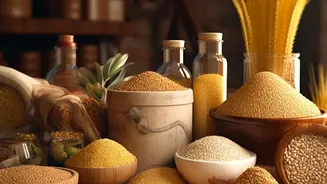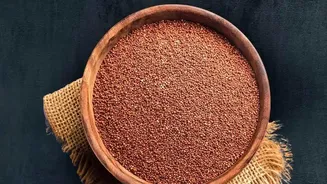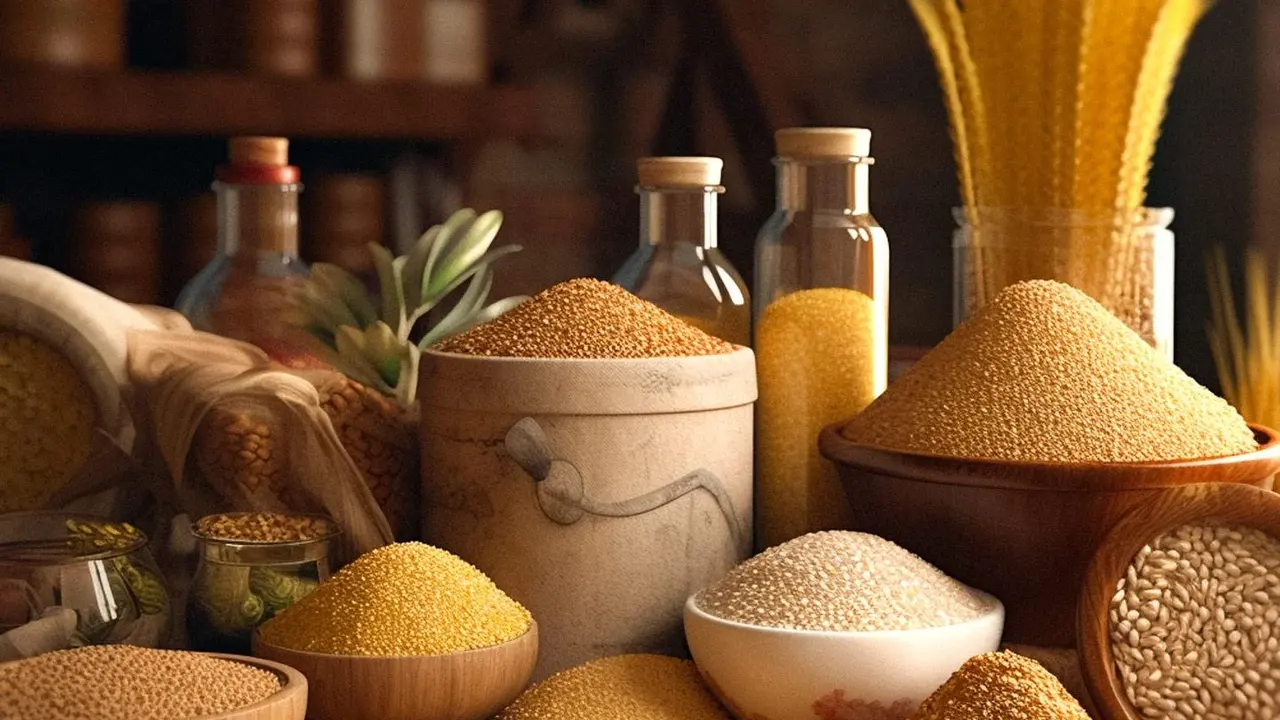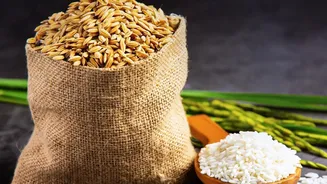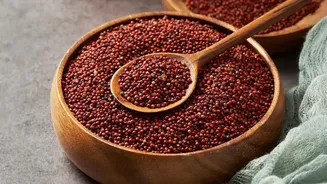



Ancient grain flours like jowar, ragi, and bajra are a fantastic addition to a healthy kitchen, but they are also an investment. Protecting them from spoilage is key, and that starts by ditching the paper packet they came in.
The Enemies of Fresh Flour
Before you can protect your
flour, you need to know what you're up against. Four main culprits work to degrade the quality, flavour, and nutrition of your flours. First is oxygen, which leads to oxidation, a process that causes the natural oils in flour to turn rancid, creating a sour or bitter taste. Second is moisture; flours are hygroscopic, meaning they absorb moisture from the air, especially during humid monsoon seasons. This can lead to clumping, mould growth, and accelerated spoilage. The third enemy is pests. Weevils and other pantry pests can lay eggs in grain products, leading to infestations that can ruin your entire stock. Finally, heat and light speed up all these degradation processes, making a cool, dark storage space essential.
Why the Original Paper Packet Fails
The paper bag your flour comes in is designed for transport and store shelving, not for long-term protection in your home pantry. Paper is permeable, meaning it allows for constant exposure to air and humidity. This makes your flour vulnerable to both oxidation and moisture absorption. Studies have shown that flours kept in permeable packaging, like paper bags, lose vitamin content and are more prone to microbial deterioration when stored in humid conditions. Furthermore, these bags offer little defence against determined pantry pests, which can easily chew through paper or find their way into improperly sealed openings. Leaving your precious ancient grain flours in their original open packets is leaving them exposed to every element that causes them to spoil.
The Airtight Glass Jar Advantage
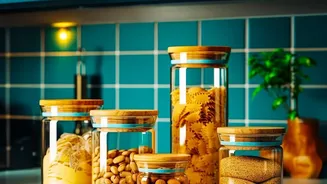
This is where the airtight glass jar proves its worth. A quality glass jar with a tight-fitting lid creates a formidable barrier against flour's main enemies. The airtight seal locks out oxygen, dramatically slowing down the process of oxidation and preventing rancidity. Glass is non-porous and impermeable, meaning it will not allow ambient moisture to seep in, keeping the flour dry and preventing clumping or mould. This is a significant advantage over plastic, which can sometimes be porous and absorb odours. Glass also provides an impenetrable wall against pests. Finally, while clear glass lets you see what's inside, storing the jar in a dark cupboard protects the flour from light, completing the circle of protection.
Why Ancient Grains Need Special Care
While all flour benefits from proper storage, it's especially critical for ancient grain flours. Many of these flours—including jowar, bajra, ragi, and amaranth—are whole-grain. This means they contain the bran and the germ of the grain, which is where most of the healthy oils and nutrients are found. These oils make whole-grain flours more susceptible to going rancid from oxidation than their refined white flour counterparts. Because these flours are often more expensive and prized for their nutritional benefits, losing them to spoilage is a waste of both money and health potential. Proper storage in an airtight container isn't just about neatness; it's about preserving the very qualities that make these flours worth buying.
Simple Steps for Maximum Freshness
Making the switch to better storage is simple. When you bring home a new bag of flour, transfer it immediately into a clean, dry, airtight glass jar. Always label the jar with the type of flour and the date you bought it; this helps you use the oldest stock first. Store the jar in a cool, dark pantry or cupboard, away from the stove or any sunny windows. For an extra layer of protection against pests that may have been present before packaging, you can freeze the flour in its new container for at least four days to kill any potential eggs or larvae before moving it to the pantry. For long-term storage of high-fat flours like almond or some whole-grain varieties, the freezer is the best option to significantly extend their shelf life.