



What is Ambali?
At its heart, Ambali is a fermented porridge or beverage with a history deeply rooted in South India, particularly in states like Karnataka, Andhra Pradesh, and Telangana. It is made from ragi (finger millet) flour, which is cooked into a paste and traditionally
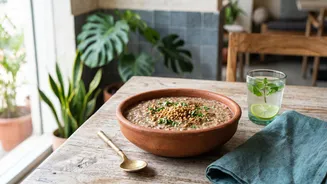
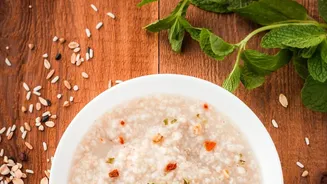
left to ferment overnight. This fermentation is what gives the drink its characteristic mild tang and a host of health benefits. Traditionally, it’s served in two ways: a savoury version mixed with buttermilk, salt, and sometimes spiced with finely chopped onions, green chillies, and ginger; or a sweet version, often called ragi malt, prepared with milk and jaggery. For generations, this simple drink was considered a farmer’s fuel—a nourishing, cooling, and energy-sustaining breakfast consumed before a long day of work in the fields.
A Nutritional Powerhouse Rediscovered
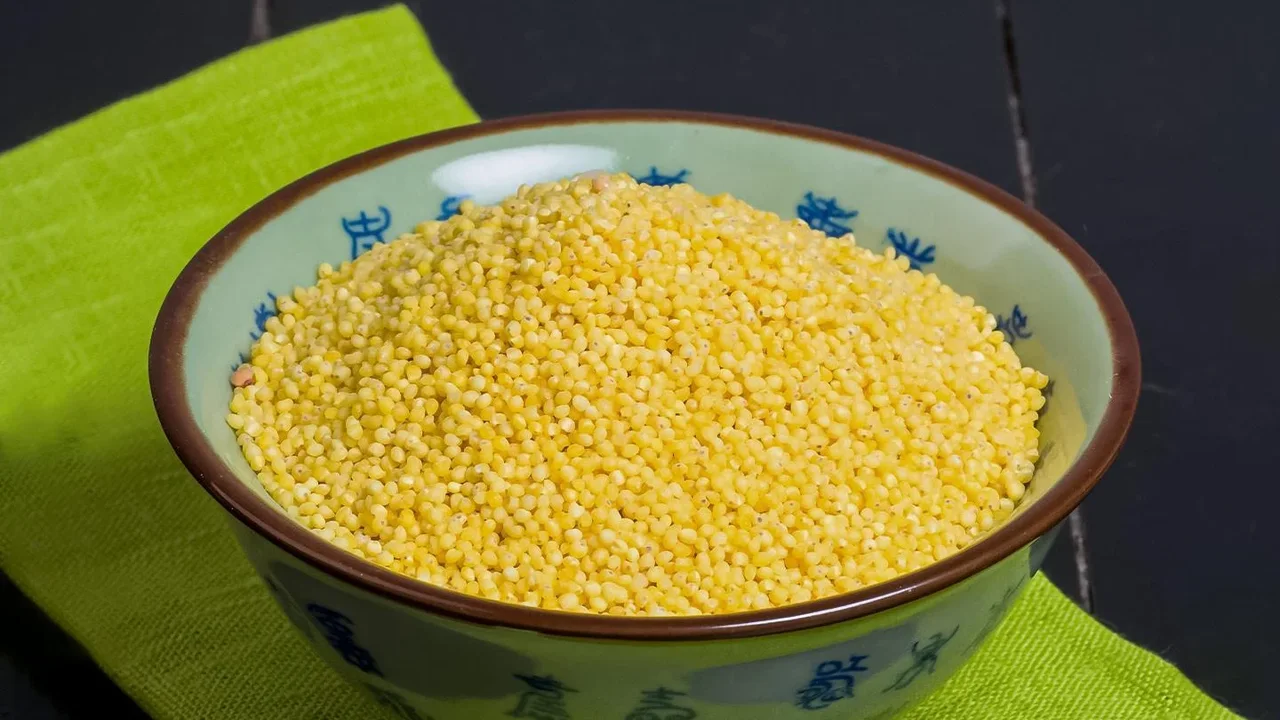
The resurgence of Ambali is directly tied to a growing wellness consciousness and the rediscovery of indigenous superfoods. Finger millet is a nutritional champion among grains. It boasts the highest calcium content of any cereal, making it excellent for bone health. It is also rich in iron, protein, and dietary fibre. Being naturally gluten-free with a low glycemic index, ragi is beneficial for managing blood sugar levels and aiding in weight management, as the high fibre content promotes a feeling of fullness. The magic, however, lies in the fermentation. This age-old process not only makes the drink a fantastic source of natural probiotics for improved gut health but also breaks down anti-nutrients like phytic acid. This significantly increases the body's ability to absorb the very minerals, like iron and calcium, that make ragi so valuable.
From Rural Staple to Urban Elixir
So, how did a farmer’s breakfast land on a chic cafe menu? The shift is part of a larger movement towards celebrating local and traditional Indian foods. As urban consumers become more health-aware and seek out authentic, sustainable options, forgotten grains are making a major comeback. Chefs and cafe owners are tapping into this by reintroducing drinks like Ambali to a new generation. They are giving it a contemporary makeover, serving it chilled in stylish glasses, and garnishing it with fresh herbs. This modern presentation makes the ancient drink more approachable and aspirational for a younger audience that values both wellness and aesthetics. It’s being positioned as India’s own answer to global probiotic trends, a homegrown alternative to kombucha with a rich story behind it.
A Trend with Deep Roots
The embrace of Ambali isn't just a fleeting health fad; it signifies a deeper cultural shift. For years, staple crops like rice and wheat, promoted during the Green Revolution, overshadowed indigenous grains like millets. The revival of millets, supported by government initiatives and a growing public interest, represents a move to reclaim India's rich agricultural and culinary diversity. By putting Ambali on their menus, urban cafes are not just selling a healthy drink; they are honouring a piece of culinary heritage. They are bridging the gap between the rural and the urban, and the traditional and the modern. This trend suggests a newfound confidence in Indian food culture, looking back at its own traditions to find answers for contemporary lifestyle needs.