




From Tourist Traps to Tranquil Retreats
A significant shift is underway in the world of travel, driven by its youngest adult participants. Generation Z, a cohort known for rewriting rules in the workplace and beyond, is now redefining what it means to go on holiday. Instead of flocking to traditionally
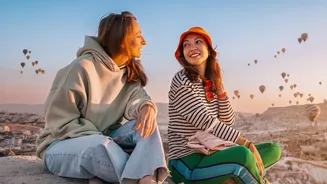
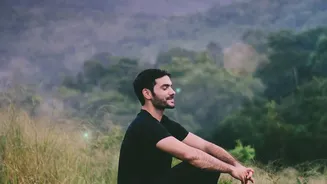
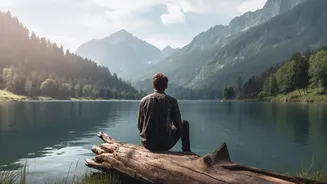
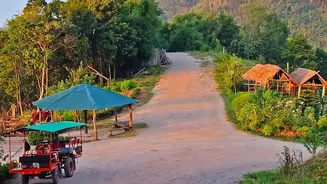
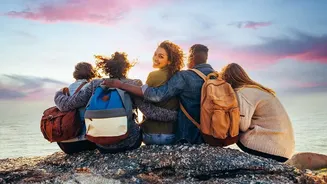
overcrowded tourist destinations, they are increasingly seeking out quieter, more serene locales. This move isn't just about avoiding long queues; it's a conscious choice for a different kind of experience. The trend, often dubbed 'slow travel', favours longer stays in fewer places, allowing for deeper immersion into the local culture and environment. This approach stands in stark contrast to the checklist-style tourism of previous generations, which often resulted in travel burnout. Recent studies and travel reports confirm this growing preference for calm, with a high percentage of young travellers now willing to choose less crowded alternatives or travel during the off-peak season to avoid crowds and reduce their environmental impact.
The Search for Wellness and Authenticity
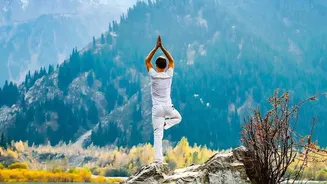
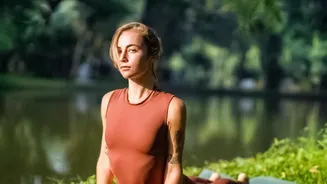
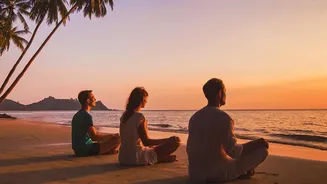
At the heart of this trend is Gen Z's prioritisation of mental health and well-being. In an era of constant connectivity and potential burnout, travel has become a vital tool for disconnection and rejuvenation. A staggering 93% of Gen Z travellers report that travel improves their mental well-being, with many returning from trips feeling less anxious and more positive. This has fueled a surge in wellness tourism, where the goal isn't just to see a new place, but to return feeling rested and more resilient. This generation is choosing trips that offer relaxation and self-care, with many planning visits to spas or selecting hotels based on their wellness amenities. It’s also about finding authentic experiences. Rather than simply capturing an Instagram-worthy shot, they crave genuine connection—with nature, with local communities, and with themselves. This has led to a rising interest in farm stays, nature retreats, and immersive cultural activities that offer a real sense of place.
A New Chapter for Indian Travellers
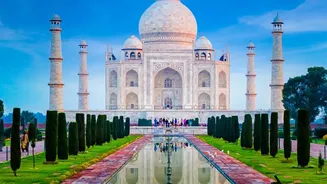
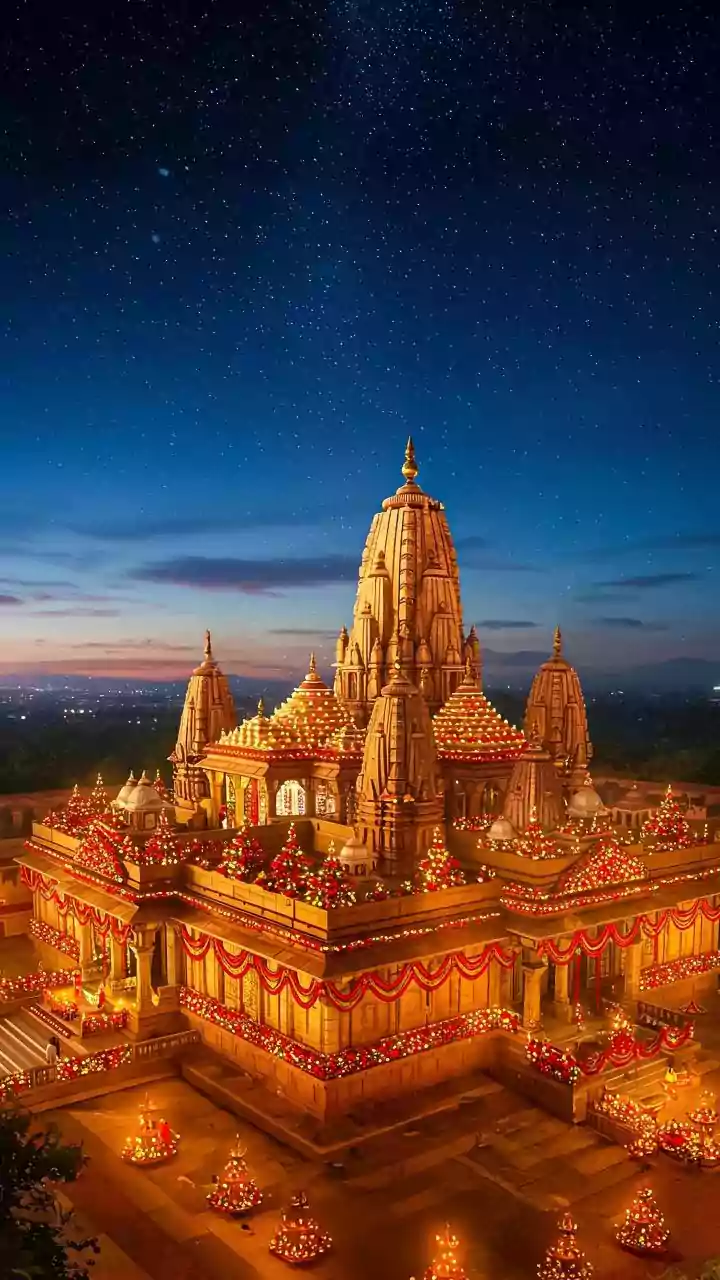
This global trend resonates strongly within India, where Gen Z is similarly abandoning the traditional, once-a-year family vacation for more frequent, personal, and spontaneous getaways. For young Indians, travel is becoming an act of self-expression. A recent Airbnb report highlighted that nature and slow travel top the list of preferences for this generation in India, followed by culinary exploration. The desire to escape the mundanity of daily routines and the mental drain of city life has many seeking solace in the country's diverse landscapes. Destinations offering peace and quiet—from the serene backwaters of Kerala and the tranquil beaches of Goa in the off-season to the majestic calm of monasteries in Ladakh or rustic homestays in Uttarakhand—are gaining immense popularity. This reflects a broader desire to explore India's lesser-known gems, moving beyond the predictable tourist circuits.
The Surprising Role of Social Media
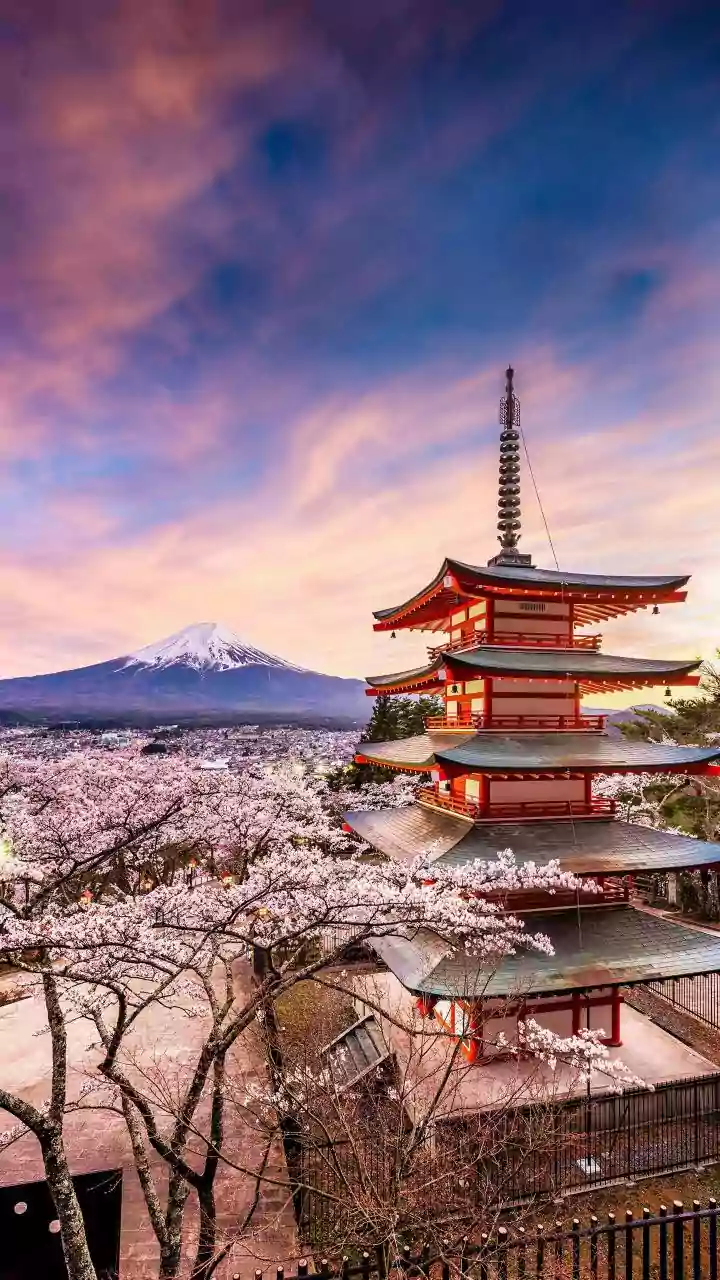
While it's easy to blame social media for promoting overtourism at photogenic hotspots, it's also playing a role in this counter-movement. While Instagram and YouTube remain top sources of travel inspiration for Indian Gen Z, the nature of the content is evolving. The focus is shifting from polished, picture-perfect landmarks to more personal, story-driven moments that convey a feeling or an experience. For many, being one of the first in their circle to discover a lesser-known town has become a new form of social currency. Instead of the same shot of the Eiffel Tower, you're now more likely to see content from a quiet Portuguese village, a traditional farm stay in rural Japan, or a secluded cabin in the mountains. This shift proves that digital natives are not just passive consumers of trends but are actively using their platforms to champion a more intentional and mindful way of seeing the world.