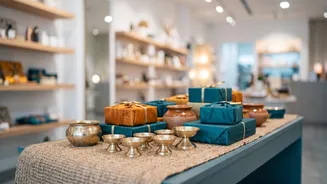








The New Festive Mindset: Conscious Splurging
This festive season, a significant portion of urban Indian shoppers are adopting a 'smarter, not smaller' approach to spending. Instead of lavish, impulse-driven purchases, there is a clear move towards 'conscious splurging'. According to a YouGov India Festive
Shopping Report for 2026, 26% of consumers plan to stick to their usual budget but shop more carefully. This doesn't mean an end to big-ticket buying; in fact, the number of consumers willing to spend above ₹50,000 has slightly increased. The shift is in the definition of 'value'. Shoppers are increasingly prioritising quality, utility, and longevity over brand names and fleeting trends. It's a calculated approach where every high-value purchase is weighed for its long-term benefit, turning festive spending into a form of strategic investment.
What's Driving the Discretion?
Several factors are fuelling this new wave of careful consumption. Lingering economic caution and rising inflation have made households more mindful of their expenditure. Data shows urban inflation is a key concern, prompting shoppers to use price comparison tools and seek out deals. Furthermore, a significant 83% of households planning festive outlays expect to dip into their savings, making them inherently more selective about where that money goes. There's also a generational shift at play. Metro dwellers, particularly millennials, are showing a preference for assets and experiences that add tangible value to their lives, such as home upgrades or travel, over traditional status symbols.
Where the Money Is Going: Homes, Tech, and Travel
The spending reallocation is creating clear winners and losers. Categories like home appliances, furniture, and renovation are seeing strong interest, with 45% of households planning purchases in this segment. Premiumisation is a major trend here, with consumers choosing larger, smarter, and more feature-rich appliances. Travel and holidays are another booming category, indicating a strong desire for experiences over physical goods. However, some traditional high-value categories are facing pressure. Jewellery purchases are planned by only 6% of households, with many opting to exchange old gold for new designs. High-value electronics like smartphones have also seen a slowdown due to rising prices, even as other electronics remain popular.
How Brands Are Adapting to the Smart Shopper
Retailers and brands are quickly pivoting to cater to this discerning consumer. The focus is shifting from deep discounts to communicating long-term value. One of the most significant enablers for high-value purchases has been the rise of flexible payment options. On platforms like Amazon, the share of purchases made using no-cost EMIs has surged, making expensive items more accessible without the psychological burden of a lump-sum payment. This strategy effectively frames a premium product not as an extravagance, but as a manageable upgrade. Brands are also focusing on value-added bundles and highlighting the quality and durability of their products, aligning their marketing with the consumer's quest for purchases that last well beyond the festive season.