





Understanding the Karkidaka Season
Karkidakam is the final month in the traditional Malayalam calendar, typically falling between mid-July and mid-August. Historically, this was a challenging period of heavy rainfall, leading to a pause in outdoor work and a greater vulnerability to illnesses.
In Ayurveda, the body's digestive fire, or 'Agni', is considered weaker during this time, and immunity is lower. Consequently, the season evolved into a dedicated period for restorative and rejuvenating practices known as 'Karkidaka Chikitsa', designed to strengthen the body and mind. It is also a spiritual month, often called 'Ramayana Masam', when families recite the epic for solace and strength.
The Star of the Season: Karkidaka Kanji
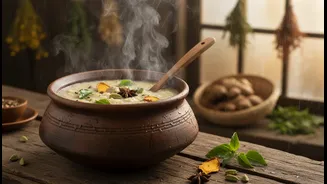
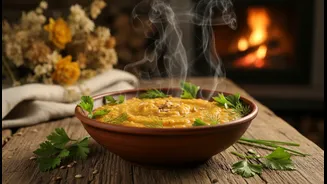
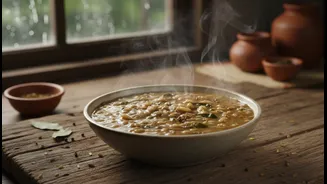
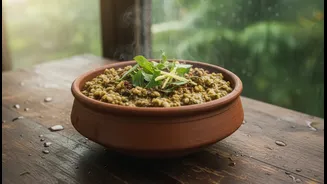
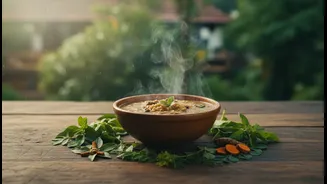
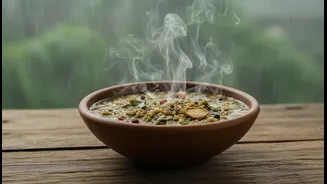
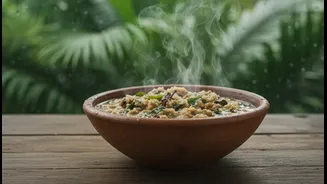
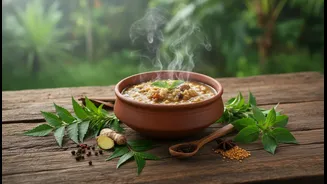
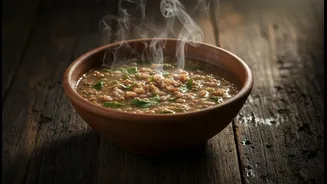
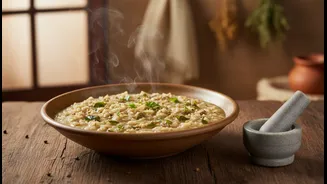
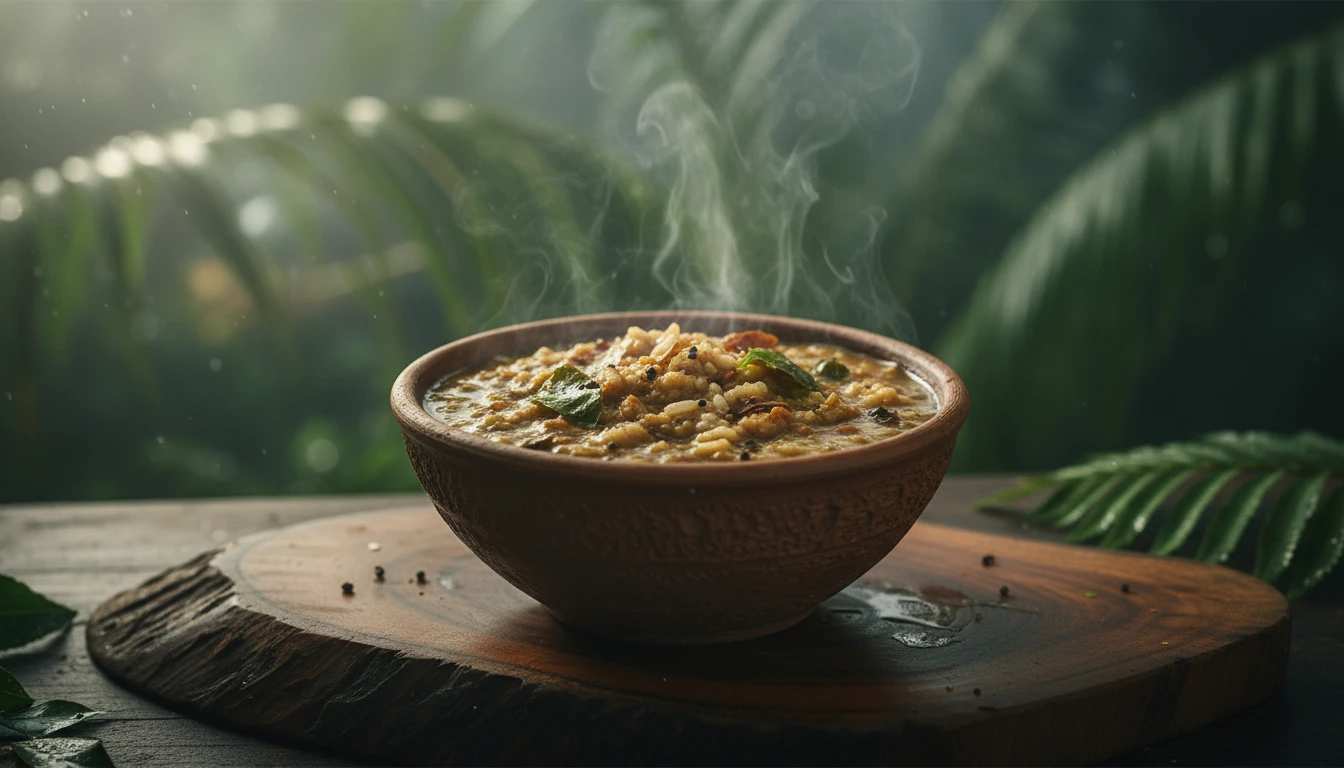
At the core of this seasonal regimen is Karkidaka Kanji, also known as Oushadha Kanji, which translates to 'medicinal porridge'. It is far more than just a simple rice gruel; it's a thoughtfully formulated dish designed to support the body through the rigours of the monsoon. According to Ayurvedic principles, it helps rekindle digestive fire, boost immunity, and aid the body in eliminating toxins that may have accumulated. The warm, easily digestible nature of the porridge is considered ideal for a time when the digestive system is naturally sluggish.
A Bowlful of Wellness Benefits
The traditional wisdom behind Karkidaka Kanji points to a host of benefits tailored for the monsoon season. Its primary goals are to support digestion and prevent the bloating and sluggishness common during this period. The blend of herbs and spices is chosen to bolster the body's natural defences against seasonal ailments like fever and coughs. Furthermore, it is believed to be a gentle detoxifier, helping to cleanse the system without harsh effects. Many of the anti-inflammatory ingredients are also thought to provide comfort from joint stiffness, which can be aggravated by the damp, cold weather.
The Power-Packed Ingredients
The efficacy of the kanji comes from its unique blend of ingredients. The base is typically Njavara rice, a medicinal variety native to Kerala known for being light and nourishing. This is cooked with coconut milk and a special herbal mixture called 'Karkidaka Marunnu' or 'Oushadha Churnam'. This powder can contain a wide range of ingredients, including spices like dry ginger, cumin, pepper, and fenugreek to aid digestion. It often includes potent Ayurvedic herbal collections like Dashamoola (a group of ten roots) and Dashapushpam (ten sacred flowers), each contributing specific therapeutic properties related to immunity and inflammation.
How to Embrace the Tradition
Traditionally, Karkidaka Kanji is consumed once a day, usually as a light evening meal, for a continuous period. Common durations are seven, fourteen, or twenty-one days to experience the full benefits. While the most authentic kanji is prepared with fresh herbs, modern life has made convenient options popular. Ready-made 'Karkidaka Kanji kits' are widely available, containing the Njavara rice and the essential powdered herbal mix. These kits allow anyone to prepare this nourishing porridge at home with minimal fuss. The general process involves cooking the rice and then adding the herbal powder, finishing it with coconut milk for creaminess and flavour.