



The Classic Sabudana Khichdi
A quintessential fasting dish across India, Sabudana Khichdi is light, provides instant energy, and is incredibly satisfying. Made from tapioca pearls (sabudana), this dish is gluten-free and easy to digest. To keep it fresh and non-sticky, the key is to soak
the sabudana well and use a minimal amount of ghee or oil for cooking. Sauté soaked pearls with boiled potato cubes, roasted peanuts, cumin seeds, and green chillies. A final squeeze of lemon juice not only adds a fresh zing but also helps keep the pearls separate. The peanuts provide a dose of protein and healthy fats, ensuring you feel full and sustained for longer.
Wholesome Fruit and Nut Bowls
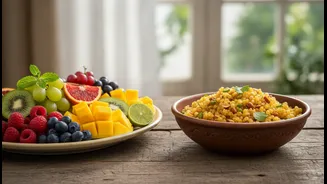
The simplest and freshest breakfast you can have during Shravan is a colourful bowl of fruits and nuts. Fruits are rich in essential vitamins, fibre, and potassium, helping you stay energetic and hydrated. Create a simple chaat by dicing seasonal fruits like apples, bananas, and pomegranates. Add a sprinkle of sendha namak (rock salt) and maybe a dash of black pepper. For an extra layer of texture and energy, top it with a handful of roasted nuts like almonds, walnuts, and cashews, which are packed with healthy fats and protein.
Savoury Buckwheat (Kuttu) Cheela
Buckwheat flour, or kuttu ka atta, is a powerhouse of nutrients and a staple during fasting periods. It is naturally gluten-free and rich in protein. Instead of deep-fried puris, a light and savoury cheela (pancake) is an excellent alternative. Create a smooth batter by mixing kuttu atta with water, sendha namak, and mild spices like cumin and grated ginger. You can make it more nutritious by adding grated vegetables like bottle gourd (lauki) or boiled potato to the batter. Cook on a lightly greased tawa until golden brown and serve hot with a side of plain curd.
Light Samak Rice Idli
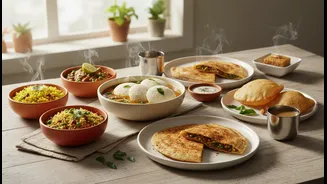
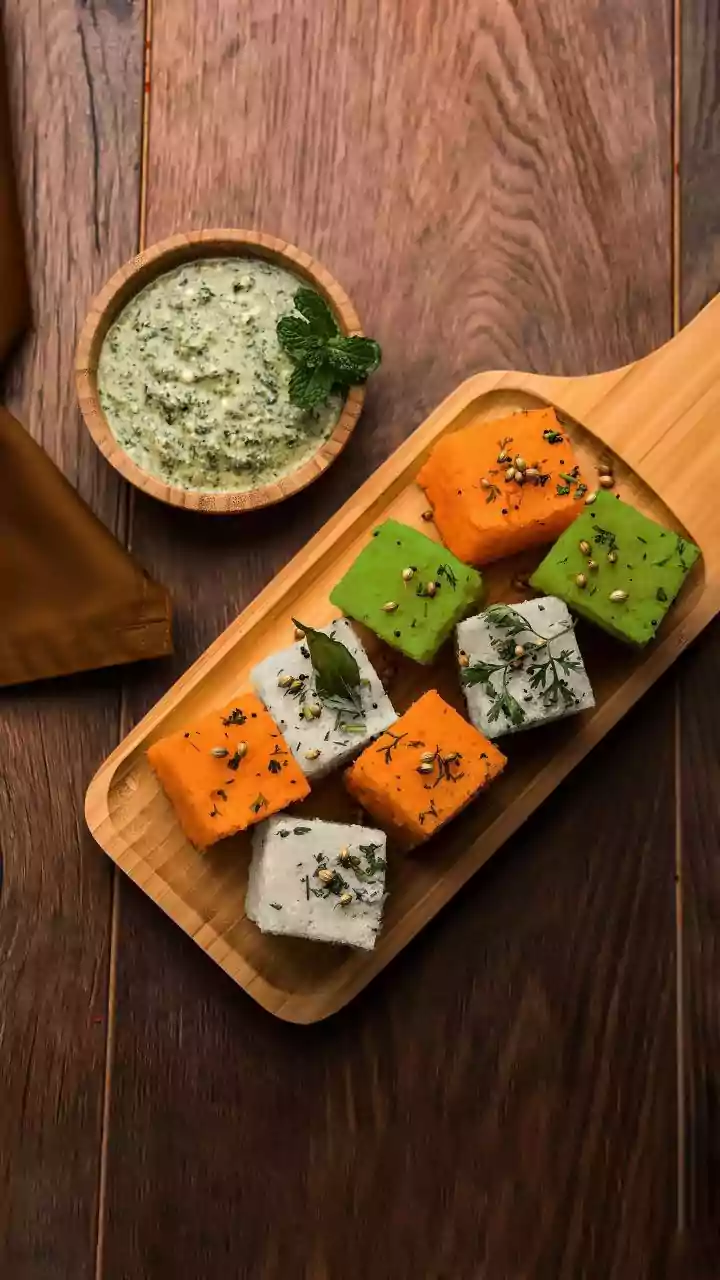
Samak ke chawal, or barnyard millet, is a wonderful grain substitute during fasts. It is not a true cereal but a seed, making it a popular choice for vrat recipes. These tiny grains can be used to make soft, fluffy, and extremely light idlis. The batter can be made by grinding soaked samak rice, often with some sabudana for binding, and can be fermented or made instantly. Steamed instead of fried, these idlis are gentle on the stomach and provide steady energy. They pair beautifully with a simple vrat-friendly chutney, such as one made with coconut, peanuts, or coriander.
Creamy Makhana Kheer or Porridge
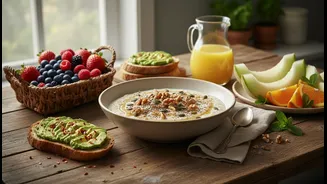
Makhana, or fox nuts, are a light yet nutrient-dense food allowed during Shravan fasting. A warm bowl of makhana kheer or porridge makes for a comforting and nourishing start to the day. To prepare it, simply roast the makhana in a little ghee until crisp, then simmer them in milk until they soften and the milk thickens. Sweeten it lightly with jaggery or a little sugar and flavour with a pinch of cardamom powder. Toasted nuts can be added for extra richness and crunch. This dish provides calcium from the milk and energy from the carbohydrates in the makhana.
Energising Banana Walnut Smoothie
For mornings when you have absolutely no time to cook, a smoothie is your best friend. This option is quick, requires no cooking, and is packed with energy. Bananas provide natural sugars and potassium for sustained energy, while walnuts offer brain-boosting omega-3 fatty acids. Simply blend a ripe banana with a handful of walnuts, a cup of milk or curd, and a spoonful of honey or a few dates for sweetness. You can add a pinch of cardamom for a traditional flavour. This smoothie is not only filling but also keeps you hydrated and energised.