



Why the Sudden Surge?
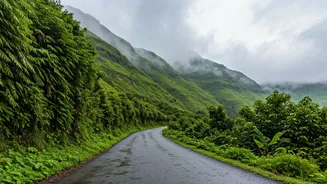
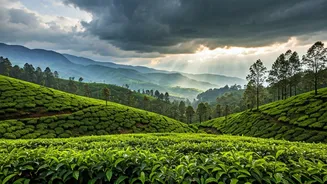
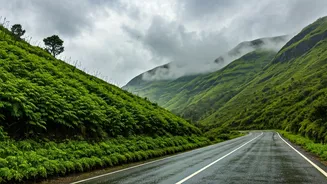
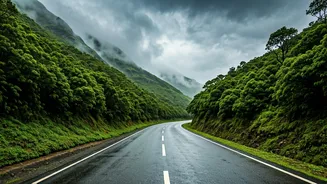
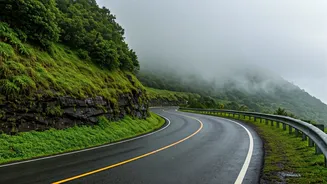
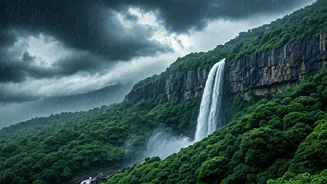
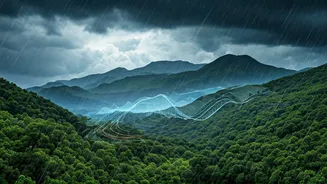
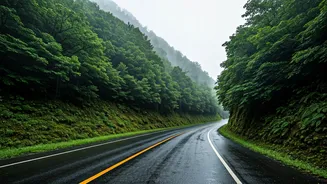
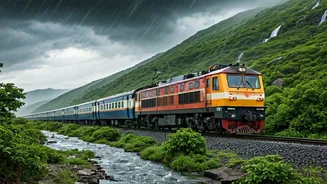
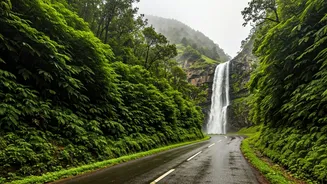
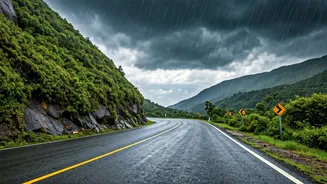
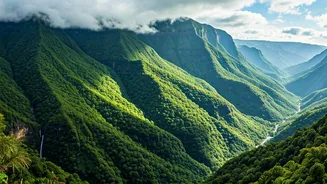
The allure of the Western Ghats, a UNESCO World Heritage Site, isn't new. But a perfect storm of factors has pushed it to the top of every traveller's list. The monsoon and post-monsoon seasons (June to October) transform the region into a vibrant, emerald
paradise. Waterfalls are at their peak, the air is clean and crisp, and the landscape is breathtakingly dramatic. This visual feast is tailor-made for social media, where stunning reels of driving through clouds and stopping at cascading falls have created a powerful sense of wanderlust. Furthermore, after years of restricted travel, there's a collective yearning for immersive, nature-centric experiences, and a road trip offers the perfect blend of freedom and adventure.
Choosing Your Epic Route
The Western Ghats stretch over 1,600 kilometres across several states, so picking a route is your first big decision. Don't try to do it all at once. For a classic experience, the Mumbai to Goa drive via the NH66 is a perennial favourite, offering coastal views and lush hills. For those seeking the heart of coffee country, a circuit through Karnataka covering Chikmagalur, Sakleshpur, and Coorg is unbeatable. Think rolling plantations and charming homestays. In the south, the drive from Kochi through Munnar's tea gardens, down to Thekkady's wildlife sanctuary, and ending in Alleppey's backwaters offers a quintessential Kerala experience. Each route provides a different flavour of the Ghats' immense beauty.
Must-See Sights and Detours
The real magic of a Ghats road trip lies in the spontaneous stops. However, having a few key destinations in mind helps anchor your journey. In Maharashtra, don't miss the viewpoints around Lonavala and the stunning waterfalls near Igatpuri. In Karnataka, a trek to Mullayanagiri Peak (the highest in the state) or a visit to the majestic Jog Falls is essential. Further south in Kerala and Tamil Nadu, spots like Athirappilly Falls (often called the 'Niagara of India'), the tea estates of Valparai, and the serene landscapes around Kodaikanal are non-negotiable. The key is to build buffer time into your itinerary to pull over, sip a chai, and just soak in the view.
Preparing Your Vehicle and Yourself
While many of the main highways are in good condition, mountain roads can be unpredictable, especially after heavy rains. Ensure your car is serviced, with special attention to tyres, brakes, and wipers. An SUV or a car with good ground clearance is ideal but not strictly necessary for most popular routes. For yourself, pack layers. The weather can change in an instant, from sunny to misty and rainy. Waterproof jackets, quick-dry clothing, and sturdy walking shoes are a must. Also, download offline maps for your chosen route, as network connectivity can be patchy in remote areas. A basic first-aid kit, a torch, and a power bank are also wise additions.
Accommodation and Local Flavours
Part of the charm of the Western Ghats is the range of accommodation. You can find everything from luxury resorts with infinity pools overlooking valleys to quaint, family-run homestays that offer a taste of local life and cuisine. Booking in advance is highly recommended, especially during peak season and on weekends. And don't forget the food! Each region has its own specialities. From the fiery Malnad pork curry in Coorg and fresh seafood along the Konkan coast to the simple but delicious Sadya in Kerala, make sure your culinary exploration is as rich as your geographical one.