




The Power of Finger Millet
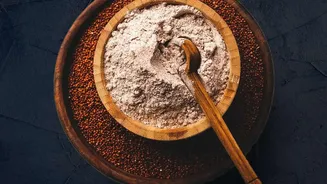
Ragi, or finger millet, is a true superfood that has been a staple in Indian households for centuries. What makes it so special? For starters, it's packed with nutrients. Ragi boasts higher levels of calcium than most other grains, making it excellent
for bone health. It's also a fantastic source of iron, protein, and dietary fibre. This high fibre content helps with digestion, promotes a feeling of fullness, and can aid in weight management. Being naturally gluten-free, ragi is an ideal choice for those with celiac disease or gluten sensitivity. The complex carbohydrates in ragi have a low glycaemic index, which is beneficial for managing blood sugar levels. By incorporating ragi into your diet with these crepes, you're not just making a tasty meal; you're embracing a powerhouse of nutrition.
What You Will Need
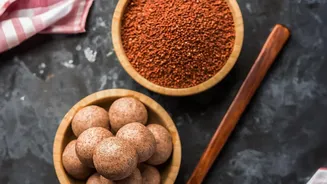
This recipe focuses on simple, readily available ingredients. There are two main approaches: a quick, instant batter or a traditional fermented one. For an instant version you will need: 1 cup of ragi flour, ¼ cup of rice flour (for crispiness), and optionally 2 tablespoons of fine semolina (rava). You'll also need water to achieve the right consistency, salt to taste, and finely chopped ingredients like onion, green chillies, and coriander for flavour. For a fermented batter, you would soak whole ragi and urad dal (split black gram) for several hours before grinding them into a paste and allowing it to ferment. This method yields a softer, tangier crepe, similar to a classic dosa.
Preparing the Batter
For the instant version, which is perfect for a quick breakfast, simply combine the ragi flour, rice flour, and salt in a large mixing bowl. Slowly add water while whisking continuously to prevent any lumps from forming. You can also add finely chopped onions, green chillies, grated ginger, and curry leaves directly into the batter for a burst of savoury flavour. The key to a crispy crepe is the batter's consistency—it should be thin and runny, much like buttermilk or single cream. Once mixed, let the batter rest for about 15 to 30 minutes. This allows the flours to hydrate properly, which improves the texture of the final crepe.
Cooking Your Crepes to Perfection
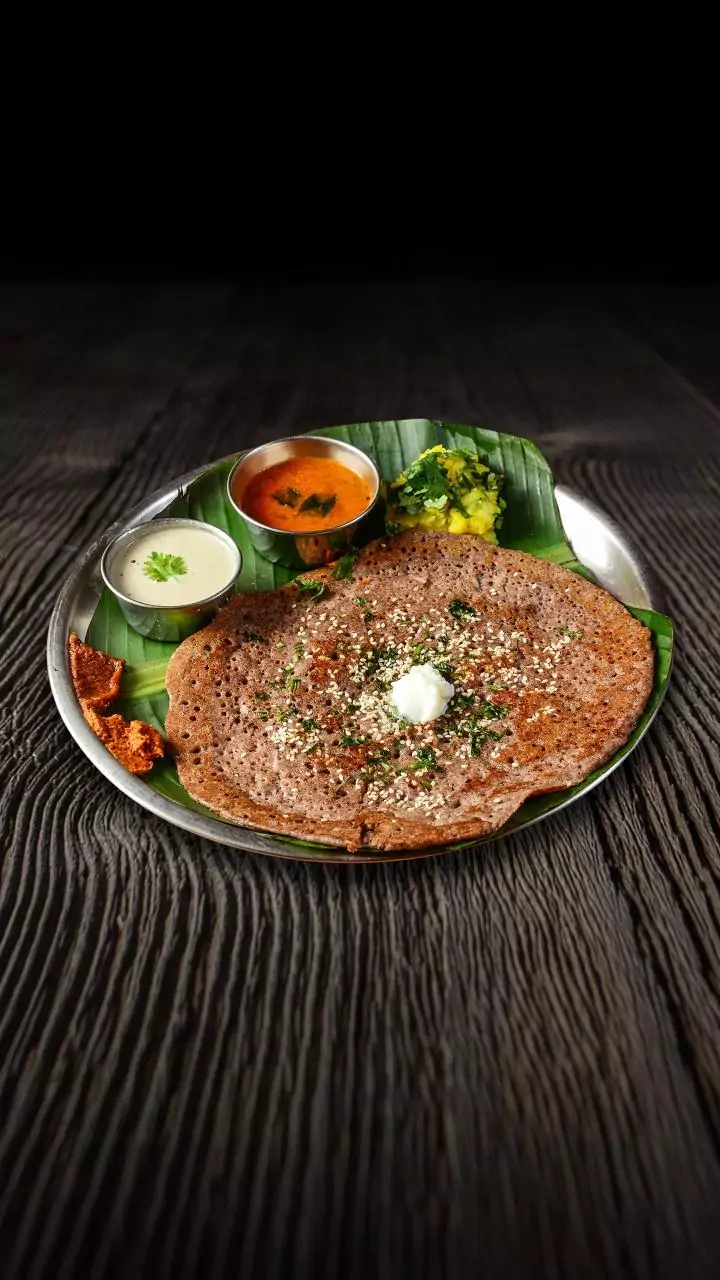
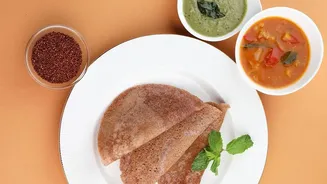
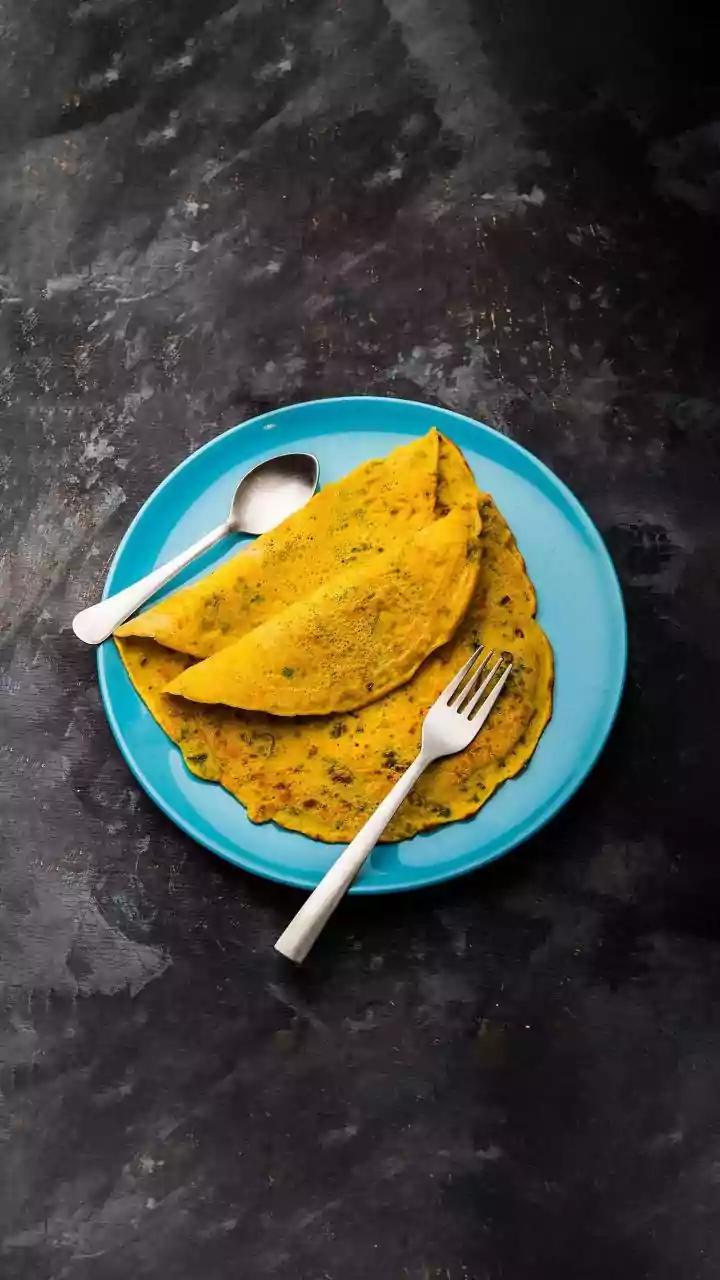
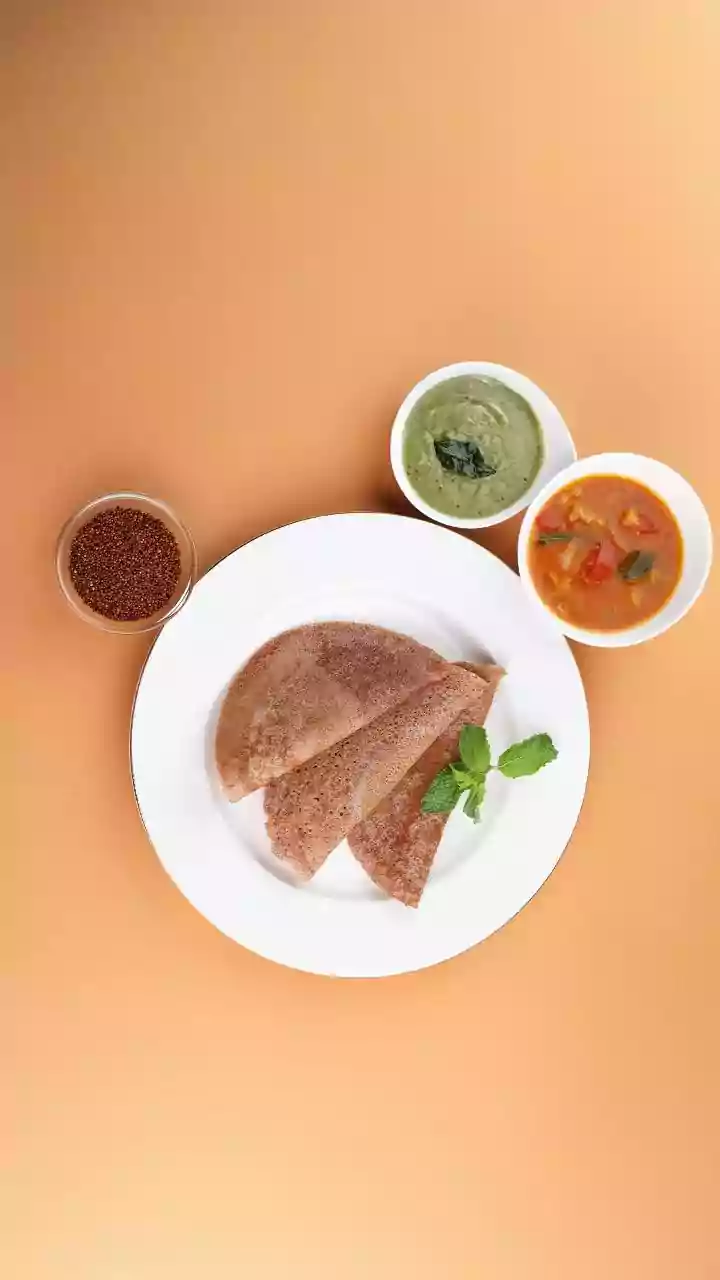
The secret to a perfect ragi crepe lies in the pan and the technique. Use a non-stick tawa or a well-seasoned cast-iron pan. Heat the pan over a medium-high flame until it's quite hot. A good test is to sprinkle a few drops of water; they should sizzle and evaporate almost immediately. Before making your first crepe, you can lightly grease the pan or rub it with a cut onion to prevent sticking. Stir the batter well each time before you make a crepe, as the flour tends to settle at the bottom. Pour a ladleful of the thin batter from a slight height, moving in a circular motion from the outside inwards to create a lacy pattern. Don't try to spread it with the ladle like a traditional dosa. Drizzle a little oil or ghee around the edges and cook for a few minutes on low to medium heat until the edges turn golden brown and start to lift from the pan. There's often no need to flip it.
Tips for Success
If your crepes aren't turning out crispy, the two most common culprits are a thick batter or a pan that isn't hot enough. Remember to make the batter very thin and pourable. Adding a couple of tablespoons of rice flour is a great trick for extra crispiness. If the batter thickens as it sits, don't hesitate to add a little more water to thin it out again. Cook the crepes on a low to medium flame to ensure they cook through evenly and become crisp without burning. Patience is key; wait until the edges are brown and naturally pull away from the pan before trying to fold or remove the crepe. Using a non-stick pan is highly recommended, as ragi batter can be prone to sticking more than regular dosa batter.