





First, Understand the Enemy
Before you can treat the smell, you have to understand its origin. That distinct musty or earthy odour is almost always caused by the growth of mould and mildew. These fungi thrive in damp, dark, and poorly ventilated environments. You might find them
in basements, bathrooms, laundry rooms, closets, or anywhere a hidden leak or condensation provides moisture. Simply masking the smell is a temporary fix; the key to long-term success is to address the moisture problem at its source.
Reviving Musty Clothes and Linens
Leaving a load of laundry in the washing machine for too long is a classic recipe for musty-smelling clothes. To combat this, add one cup of white vinegar to your rinse cycle. The acetic acid in vinegar helps to neutralise the odour-causing molecules. Don't worry, the vinegar scent will dissipate as the clothes dry. For an extra boost, you can also add half a cup of baking soda directly into the wash drum at the start of the cycle. Baking soda is alkaline and works to absorb and neutralise smells. Whenever possible, dry your clothes and linens in direct sunlight, as the UV rays are a natural disinfectant and help eliminate lingering spores.
Refreshing Upholstered Furniture
Sofas and armchairs can trap moisture and odours deep within their fibres. A simple and effective first step is to sprinkle the entire piece of furniture liberally with baking soda. Let it sit for several hours, or even overnight, to give it time to absorb the smells, and then vacuum it up thoroughly. For more persistent odours, you can create a spray solution of equal parts water and white vinegar. Lightly mist the fabric—don't saturate it—and allow it to air dry completely, preferably in a well-ventilated room or with fans to speed up the process. Always test the spray on an inconspicuous spot first to ensure it doesn't cause discolouration.
Deodorising Wooden Furniture and Cabinets
The inside of old wooden drawers or cabinets can often develop a stale, locked-in smell. Start by emptying the furniture and wiping down all interior surfaces with a cloth dampened with a 50/50 solution of water and white vinegar. Allow it to dry completely with the doors or drawers left open. To prevent smells from returning, place an odour absorber inside. Open containers of baking soda, activated charcoal, or even a bowl of fresh coffee grounds are excellent at passively soaking up odours over time. For best results, replace these absorbers every month or so.
Banishing Dampness from Corners and Closets
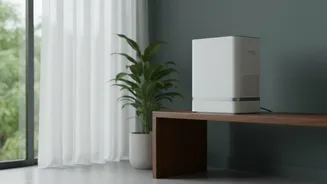
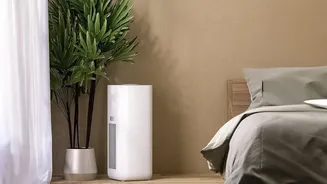
When the musty smell is coming from the room itself, it points to a broader humidity issue. Improving air circulation is critical. Open windows regularly to let fresh air in and push damp air out. In chronically damp areas like basements or bathrooms without windows, investing in a dehumidifier can make a significant difference. Clean any visible signs of mildew from walls or baseboards using a vinegar and water solution or a commercially available mildew cleaner. Finally, perform a check for any hidden sources of moisture, such as slow plumbing leaks under sinks or behind walls, as these can create a persistent problem.