






The Established Connection
First, let's cover the basics. The link between physical activity and better sleep is well-documented and strong. Numerous studies over the years have shown that people who exercise regularly tend to fall asleep faster, spend more time in deep, restorative
sleep, and report better overall sleep quality. Exercise helps by regulating your body's internal clock, reducing stress and anxiety, and even triggering physiological changes like a post-workout drop in body temperature that can signal to your body it’s time to rest. For many, establishing a consistent fitness routine is one of the most effective non-medical strategies for combating sleep issues like insomnia.
It’s Not Just Cardio Anymore
For a long time, aerobic exercise like running or cycling was the go-to recommendation. While it’s certainly effective, a wave of new, large-scale analyses is showing that other forms of movement might be just as good, if not better. One 2025 meta-analysis crowned Pilates as the most effective exercise for improving sleep quality, followed closely by aerobic exercise. Another major review from 2025 found that yoga, even in short, twice-weekly sessions, came out on top, likely because its focus on controlled breathing helps activate the body's relaxation response. Meanwhile, for older adults with insomnia, research points to strength training as being particularly beneficial. The takeaway isn’t that you must switch to Pilates or yoga, but that the options are broader than you think. The best exercise is the one you enjoy and can stick with, and it seems a variety of movements can get the job done.
The Evolving Truth About Evening Workouts
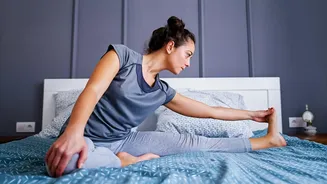
The old rule to avoid all exercise before bed is being replaced by a more nuanced understanding. The concern has always been that exercise raises your heart rate, body temperature, and alertness, making it harder to wind down. A large 2025 study using wearable trackers confirmed that high-intensity workouts—like a long run or a strenuous gym session—within four hours of bedtime can indeed delay sleep and reduce its quality. However, that same research showed that exercise of any intensity that ended more than four hours before bed had no negative impact. Furthermore, a systematic review found that even short-term, low-to-moderate evening exercise didn't significantly harm sleep for most people. So, a gentle walk, stretching, or a light yoga session in the evening is likely fine. The key is to avoid revving your engine with a high-strain workout too close to when you plan to sleep.
Frequency Over 'Weekend Warrior' Sessions
Is it better to do two long workouts on the weekend or a little bit of activity every day? When it comes to sleep, new evidence suggests frequency is the winner. A 2025 study from the University of Texas at Austin used fitness trackers to monitor students and found that exercising more often—ideally daily—was linked to better sleep quality, particularly more of the deep, restorative sleep that helps you feel refreshed. What's encouraging is that as little as 10-15 minutes of moderate activity per day was enough to see a benefit. This suggests that building consistent, daily movement into your routine is a more effective strategy for sleep health than trying to cram all your physical activity into one or two marathon sessions. It's about creating a regular rhythm that your body can adapt to.
Finding Your Optimal Dose
So, how much exercise is enough? While consistency is more important than hitting a perfect number, some researchers have tried to identify an optimal dose. A 2025 network meta-analysis found a sweet spot around 920 MET-minutes per week. That might sound complicated, but it translates to roughly three to four hours of brisk walking per week. The analysis found that while exercising more than this is still beneficial for general health, the sleep-specific benefits might see diminishing returns beyond that point. Think of this not as a strict prescription, but as a helpful guideline. The goal isn't to hit a magic number, but to find a sustainable amount of activity that leaves you feeling energized during the day and ready for rest at night. Listening to your body remains the best approach.