





Prioritise Light, Cooked Meals
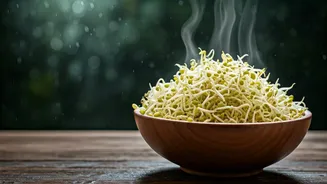
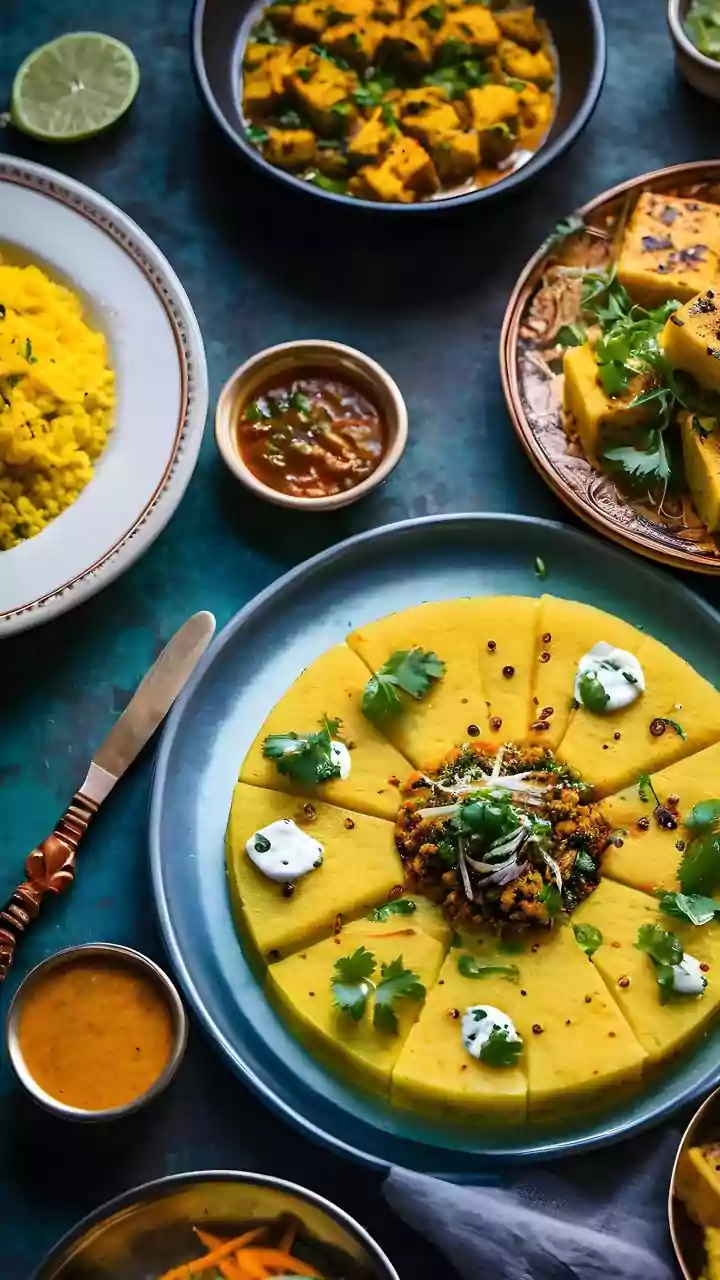
Heavy, oily, and fried foods are a big no-no during the monsoon. The humid weather slows down our digestive system, making it harder to process rich meals, which can lead to bloating, indigestion, and acidity. Instead, opt for light, home-cooked foods like
khichdi, dal, steamed vegetables, and soups. These are easy on the stomach and provide sustained energy without weighing you down. Think warm, nourishing, and simple.
Be Cautious with Leafy Greens
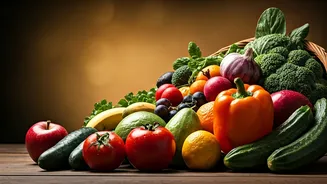
While normally very healthy, leafy vegetables like spinach, cabbage, and cauliflower can be risky during the monsoon. The dampness and grime make them a breeding ground for germs, mud, and worms that can be difficult to wash away completely. If you must have them, ensure they are blanched in hot salt water before being cooked thoroughly. It's safer to switch to gourds like lauki (bottle gourd), tinda (apple gourd), and parwal (pointed gourd), which are easier to clean and digest.
Boost Immunity with Spices
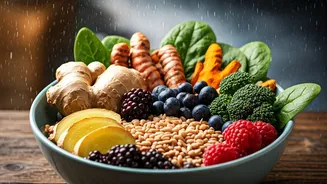
Your kitchen spice box is your best friend this season. Spices like haldi (turmeric), ginger, garlic, black pepper, and hing (asafoetida) have powerful anti-inflammatory and antibacterial properties. They aid digestion and help build immunity against common monsoon infections like the cold and flu. Add a pinch of turmeric to your milk, start your day with ginger tea, and be generous with garlic and pepper in your dals and sabzis.
Embrace Bitter and Astringent Flavours
According to Ayurveda, the monsoon aggravates the 'Vata' dosha, which can cause digestive issues. To balance this, it's recommended to include bitter and astringent foods in your diet. Vegetables like karela (bitter gourd) and methi (fenugreek), along with herbs like neem, are excellent choices. They help prevent infections, keep the gut healthy, and are packed with essential nutrients. Even a small portion a few times a week can make a difference.
Stay Hydrated the Smart Way
While the weather is cool, it's easy to forget to drink enough water. However, the high humidity can still cause dehydration. Ensure you drink plenty of boiled or purified water throughout the day. Avoid tap water or juices from street vendors, as the risk of water-borne diseases like typhoid and cholera is highest during this season. Instead, sip on warm herbal teas like tulsi or chamomile, which also offer immunity-boosting benefits.
Limit Seafood and Street Food
This is not the season for indulging in seafood. The monsoon is the breeding season for fish and other marine life, which can lead to stomach infections. Contamination risks are also higher. Similarly, street food, especially items like golgappas that use unboiled water, or pre-cut fruits that are exposed to the humid air, can be a major source of infection. It’s best to curb those cravings and stick to freshly prepared, hygienic home food.
Choose Your Fruits Wisely
Seasonal fruits are always a good idea, and the monsoon brings delicious options like jamun, pomegranate, pears, and plums. These are rich in antioxidants and help boost your immunity. However, be wary of water-heavy fruits like watermelon and muskmelon, which can cause water retention and bloating. Always wash fruits thoroughly and avoid buying pre-cut fruits from vendors to minimise the risk of contamination.