







What is Climate Literacy, Anyway?
Let’s be clear: climate literacy isn’t about needing a PhD in atmospheric science. You don't have to memorise the chemical formula for methane. At its core, climate literacy is the ability to understand the basic science behind Earth’s climate system,
recognise the human influence on climate change, and know how its consequences impact our society. Think of it like financial literacy. You don’t need to be a stock market analyst to know why saving is important or how inflation affects your budget. Similarly, climate literacy equips you to understand why your city is flooding more often or why food prices are rising, and to separate fact from misinformation. It is the essential lens through which we must now view our world.
More Than Just 'Bad Weather'
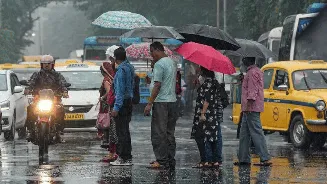
One of the most critical skills climate literacy provides is the ability to distinguish between weather and climate. Weather is what’s happening outside your window right now—a single rainy day or a hot afternoon. Climate, on the other hand, is the long-term pattern of weather in a region. In India, this distinction is vital. A single failed monsoon is a tragedy for farmers; a decade of increasingly erratic monsoons is a climate-driven crisis that threatens the nation's food security. Unprecedented heatwaves, like the ones that have repeatedly crippled parts of North and East India, are not just 'a very hot summer'. They are a direct manifestation of a warming planet, leading to increased hospitalisations, lost workdays, and severe stress on our power grid. Understanding this difference stops us from dismissing systemic problems as isolated events.
The Practical Costs of Not Knowing
A lack of climate literacy carries a heavy price, one we are already paying. When urban planners don't account for rising sea levels and intense rainfall, coastal cities like Mumbai and Chennai suffer from catastrophic flooding that damages homes and infrastructure. When farmers follow traditional planting schedules without accounting for shifting climate patterns, they face devastating crop losses. In the health sector, doctors are seeing a rise in heat-related illnesses, respiratory problems from worsening air quality, and the spread of vector-borne diseases like dengue into new regions. These are not abstract future threats; they are present-day emergencies. Climate illiteracy leaves us vulnerable and reactive, constantly caught off-guard by a predictable crisis.
A Core Skill for Every Indian
This isn't an issue just for environmentalists or policymakers. Climate literacy is becoming a crucial competency across all professions and walks of life. A small business owner needs to understand supply chain risks from extreme weather. A software engineer can develop apps that help farmers adapt or citizens monitor air quality. An architect must design buildings that are energy-efficient and can withstand higher temperatures. A journalist needs to report on the issue accurately without resorting to sensationalism. Even on a personal level, it informs our decisions: where to buy a home (away from flood-prone zones), what kind of insurance to get, and how to protect our family’s health. It empowers us to ask the right questions of our elected officials and demand solutions that are rooted in reality, not rhetoric.