






Understanding Kitchen Microplastics
Microplastics are tiny plastic fragments less than five millimeters long. In the kitchen, they shed from utensils, containers, and cookware, especially when exposed to heat or wear and tear. Studies show these particles can be released during cooking,
food preparation, and storage, making their way onto your plate. While scientists are still researching the long-term health effects, some studies have raised concerns about how these particles might affect human cells and carry other chemicals. The goal isn’t to panic, but to make small, informed choices to minimize contact.
Ditch the Plastic Cutting Board
One of the most significant sources of microplastics in the kitchen is the plastic cutting board. Every time you chop vegetables or slice meat, the knife creates tiny grooves, releasing thousands of plastic particles directly into your food. Studies have estimated this could amount to 50 grams of microplastics per year, which is equivalent to the weight of ten credit cards. Older, heavily scratched boards are the biggest offenders. A simple and effective switch is to use a solid wood or bamboo cutting board. They are durable, naturally antimicrobial when cared for properly, and do not shed plastic particles. Glass boards are another option, though they can be hard on your knives.
Rethink Your Food Storage
Plastic food containers are convenient but can be a major source of microplastics. The risk increases significantly when plastic is heated. Microwaving food in a plastic container can release millions of microplastic and billions of nanoplastic particles. Even storing food in plastic, especially for long periods in the fridge or freezer, can cause particles to leach into your meals. The best alternative is to store food, especially leftovers, in glass or stainless steel containers. If you use containers with plastic lids, try to keep the food from touching the lid.
Be Careful with Non-Stick Pans
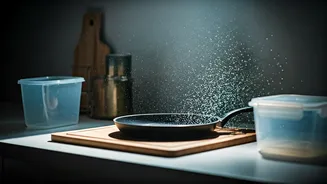
Non-stick cookware, often coated with polytetrafluoroethylene (PTFE), can release thousands or even millions of microplastics when scratched or overheated. Using metal utensils or abrasive cleaning pads can damage the surface, causing particles to flake off into your food. Even new non-stick pans can shed particles. To minimize risk, always use wooden or silicone utensils, avoid excessively high heat, and hand wash the pans gently. It is crucial to replace any non-stick pan as soon as its surface becomes scratched or worn. Safer alternatives include cast iron, stainless steel, and ceramic-coated cookware.
Filter Your Tap Water
Both tap and bottled water can contain microplastics. Interestingly, some studies suggest that bottled water often contains higher concentrations of plastic particles than tap water, partly due to the degradation of the bottle and cap. Installing a water filter on your tap is a great way to reduce your intake. Look for filters certified to remove small particles. This not only cuts down on plastic consumption but also reduces waste from single-use plastic bottles.
Choose Whole Foods and Better Packaging
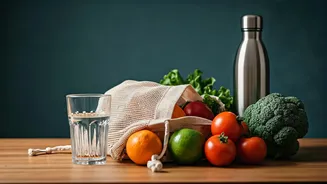
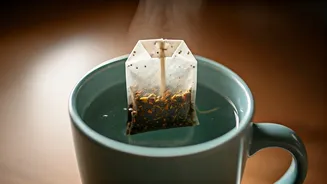
Highly processed and fast foods tend to have higher levels of chemical contaminants, including those from packaging. Opting for fresh, whole foods reduces your exposure to plastic packaging like films, trays, and bags. When shopping, you can make simple swaps like using reusable cloth bags for produce instead of the thin plastic ones provided. Even some tea bags are made with plastic that can release billions of particles when steeped in hot water. Choosing loose-leaf tea or paper tea bags is a safer bet.