





A Vessel of War and Worship
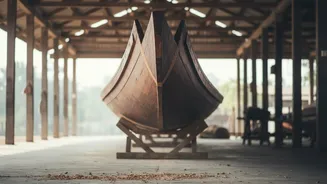
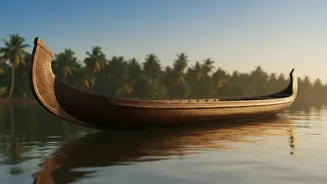
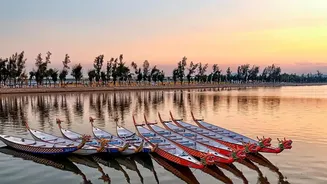
The Chundan Vallam, or snake boat, is an unmistakable icon of Kerala. These magnificent canoes, stretching over 100 feet long with a distinctive cobra-like hood, are more than just racing vessels; they are a living link to the region's history. Originally
designed as swift naval warships for feudal kings battling in the backwaters, their construction was a matter of strategic importance. The design, which allows the boat to carry over a hundred warriors or rowers, was a closely guarded secret. Today, while their purpose has shifted from war to sport and ceremony, each boat remains the pride of its village. Villagers often worship the boat like a deity, and its victory in a race, like the prestigious Nehru Trophy Boat Race, is a matter of immense honour for the entire community.
The Master Craftsman's Touch
At the heart of the boat's creation and restoration is the ‘Moothashari’ or master craftsman. These builders, known locally as Aasaris, are the custodians of a complex body of knowledge that blends engineering, mathematics, and spiritual tradition. This wisdom isn't found in modern textbooks or computer-aided designs; it is passed down orally through generations. The master craftsman intuitively understands the hydrodynamics required for speed and stability, determining every critical measurement from the hull's curvature to the boat's overall length and weight distribution. Even a minute deviation can compromise the boat's performance. The construction itself follows principles laid out in the Sthapatya Veda, an ancient treatise on wooden construction, ensuring that each vessel is both a work of art and a marvel of traditional engineering.
The Wisdom of Anjili Wood
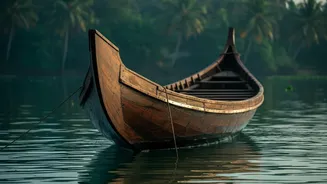
The choice of timber is fundamental to the snake boat's longevity and performance. Craftsmen exclusively use Anjili, or wild jackfruit wood (Artocarpus hirsutus), a timber native to the Western Ghats. Anjili is prized for its remarkable properties: it is durable, comparable in quality to teak, and naturally resistant to rot, fungus, and saline water. This makes it the perfect material for a vessel that will spend its life in the brackish backwaters. The selection of the tree itself is the first step in a long ritual. Once chosen, the massive planks, sometimes running 80 feet in length, are shaped and joined with precision. To make the wood pliable, it is often coated with resin and heated, allowing the craftsmen to bend the planks into the boat's elegant, serpentine form.
A Ritual of Renewal
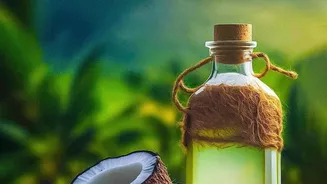
Restoring a snake boat is an annual community event steeped in ritual. Before the racing season commences, the boat is brought ashore for its yearly overhaul. This is not simple maintenance. Only men are traditionally allowed to touch the boat, and they must do so barefoot as a sign of respect. The hull is carefully inspected and repaired by the village carpenter. The most vital part of the ritual is the application of a special coating. A mixture of fish oil, coconut shell ash, and eggs is methodically rubbed onto the entire surface. This traditional concoction serves a dual purpose: it waterproofs the wood, preventing it from becoming waterlogged, and creates a slick, low-friction surface that helps the boat glide faster through the water. The process unites the village, reaffirming their collective ownership and reverence for their vessel.
Preserving a Legacy Under Pressure
Despite its deep cultural roots, the tradition of snake boat building faces modern challenges. The cost of constructing a new boat can be substantial, often requiring private clubs and sponsors to step in and finance the effort. Furthermore, the specific high-quality Anjili timber is becoming scarcer. But perhaps the greatest challenge is ensuring the knowledge of the Aasaris is passed on. As with many traditional crafts, there is a risk that younger generations may not undertake the long apprenticeships required to become a master builder. Yet, the passion for Vallamkali (boat racing) remains a powerful force. Each race and restoration ritual is a vibrant act of cultural preservation, ensuring that this unique indigenous knowledge continues to be handed down, keeping the spirit of the snake boat alive for years to come.