



The Millet Renaissance: From Humble to Hero
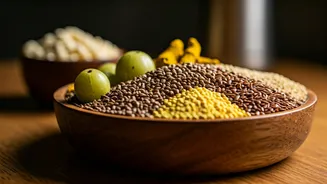
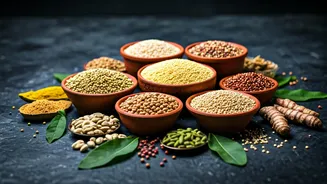
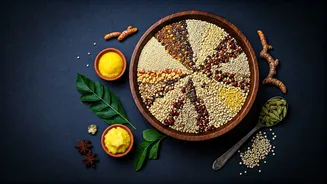
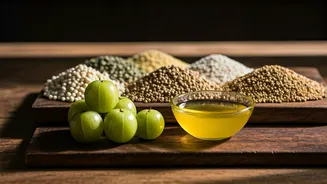
Remember when millets like jowar, bajra, and ragi were considered 'coarse grains' or 'poor man's food'? That perception has been completely turned on its head. Today, these ancient grains are celebrated as gluten-free, high-fibre, and low-glycemic index
powerhouses. Ragi, packed with calcium, is perfect for bone health, while jowar's rich antioxidant profile helps fight inflammation. This nutritional rediscovery, boosted by the UN's declaration of 2023 as the International Year of Millets, has catapulted them from rural staples to premium offerings in urban cafes and health food stores. They are a perfect example of how sustainable, climate-resilient local crops are the future of nutrition.
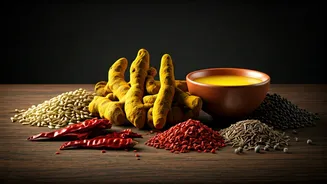
Turmeric: The Golden Healer
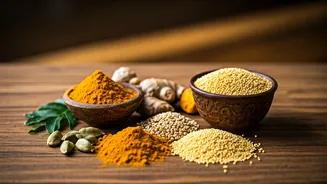
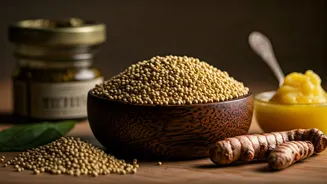
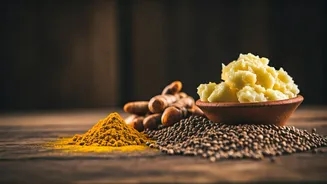
Every Indian household knows the magic of haldi. A pinch in our curries, a soothing touch for a wound, or in a glass of warm milk for a cold — its role has always been clear. What’s new is the global and scientific validation of this ancient wisdom. The active compound, curcumin, is a potent anti-inflammatory and antioxidant. Western wellness culture has embraced it in the form of 'golden lattes', but we've known its power for centuries. This trend is less a discovery and more a global acknowledgement of what our grandmothers preached: a daily dose of turmeric is a cornerstone of preventative health, protecting the body from cellular damage and chronic inflammation.
Ghee: The Good Fat Makes a Comeback
For a few decades, ghee was unfairly villainised, pushed aside by industrially processed vegetable oils. Today, it’s making a glorious comeback as a 'super-fat'. Traditional, pure cow ghee is a source of healthy saturated fats, fat-soluble vitamins like A, E, and D, and butyric acid, which is fantastic for gut health. Nutritionists now recognise its high smoke point makes it excellent for Indian cooking, preventing the creation of harmful free radicals. The narrative has shifted from 'avoid ghee' to 'embrace a spoonful of this liquid gold' for better digestion, stronger immunity, and glowing skin. It’s a powerful lesson in trusting ancestral food practices over fleeting dietary fads.
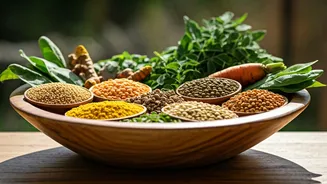
Moringa: The Backyard Miracle Tree
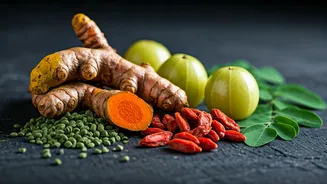
The humble drumstick tree (Moringa oleifera), a common sight in Indian gardens, is one of the most nutrient-dense plants on the planet. Its leaves, pods (the drumsticks in your sambar), and flowers are all edible and packed with goodness. Moringa leaves contain more Vitamin C than oranges, more potassium than bananas, and significant amounts of protein, iron, and amino acids. Previously used in regional dishes without much fanfare, it is now sold as expensive 'moringa powder' in global health stores and marketed as a supplement for energy and vitality. It's a prime example of a local, accessible, and affordable food that truly deserves its 'superfood' status.
Amla: The Original Immunity Booster
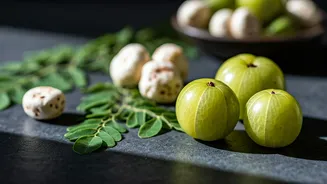
Long before Vitamin C supplements became a thing, we had amla, the Indian gooseberry. This tangy, potent fruit is one of the richest natural sources of Vitamin C, a powerful antioxidant that is crucial for a strong immune system and healthy skin. Traditionally consumed as murabba, pickles, or juice, amla's benefits are deeply embedded in Ayurveda for its anti-ageing and rejuvenating properties. In a world increasingly focused on immunity, amla stands out as an authentic, time-tested solution. It reminds us that often, the most effective wellness solutions are not manufactured in a lab but grow on trees right in our homeland.