



Trading Urban Hustle for Green Retreats
The remote work revolution has changed more than just office attendance; it has altered our very idea of a workspace. For many professionals in cities like Pune, Jaipur, Chandigarh, and Kochi, the initial appeal of working from home has given way to a desire
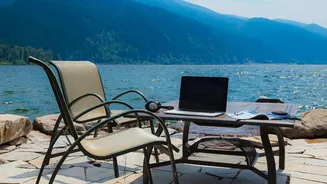
for a better background. The monotony of the same four walls and the urban clamour has created a powerful urge to find a space that offers both productivity and peace. This is where the concept of a 'workation' or a 'green staycation' comes in. It’s a hybrid model that blends work commitments with the restorative power of nature. Workers are not just looking for a holiday; they are seeking a temporary relocation to a place that inspires creativity and calms the mind, without sacrificing the connectivity needed for their jobs.
The Undeniable Allure of Coorg
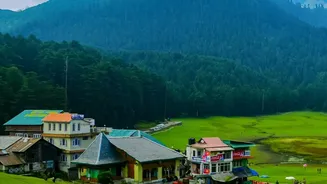
Known as the 'Scotland of India', Coorg has long been a favourite tourist destination, but it is now attracting a new kind of visitor. Its rolling hills, vast coffee plantations, and pleasant weather make it an idyllic setting for those looking to escape the city. The region's economy, which is heavily reliant on its coffee production, has fostered a culture of hospitality through numerous homestays and boutique resorts nestled within the estates themselves. These establishments, once purely for tourists, are now adapting to meet the needs of the modern remote worker. Proximity to major Tier 2 hubs in the South also makes it an accessible 'drivecation' destination, allowing professionals to pack their laptops and drive into nature for weeks at a time.
What Makes a Staycation 'Green'?
A 'green staycation' in Coorg is about more than just a pretty view. It represents a conscious choice to immerse oneself in a sustainable environment. Many coffee estates in the region practice eco-friendly farming and hospitality. These stays often offer experiences that connect guests to the land, such as guided nature walks through the plantations, bird-watching tours, and lessons on the coffee cultivation process. The experience is rooted in an appreciation for the local ecology and culture. For remote workers, this means that their lunch breaks can involve trekking to a nearby waterfall, and their evenings can be spent learning about local Kodava cuisine or simply enjoying the quiet of the forest, offering a deep sense of rejuvenation that a standard vacation often lacks.
The New Work Essentials: Wi-Fi and Waterfalls
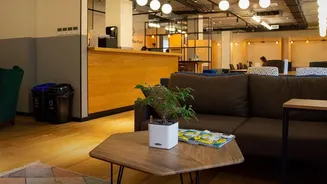
The success of this trend hinges on one crucial element: connectivity. Estate owners and homestay operators have recognised that to attract the remote workforce, high-speed Wi-Fi is as essential as a comfortable bed. Many properties now advertise reliable internet speeds, dedicated workspaces with ergonomic seating, and power backup to ensure that a video call is never dropped. These practical amenities, combined with the unparalleled natural setting, create the perfect work-life blend. Professionals can meet their deadlines while surrounded by the sounds of nature, enjoy home-cooked meals made with local ingredients, and truly switch off once the workday is done. It's a setup that promises not just a change of scenery, but a genuine improvement in quality of life.
A Trend Driven by India's Emerging Cities
Interestingly, this trend is being significantly driven by professionals from Tier 2 cities. As companies increasingly adopt flexible and remote work models, talent in these cities is seizing the opportunity to design a lifestyle that aligns with their well-being. Unlike their counterparts in hyper-congested metros, they are often looking for authentic, less crowded, and value-conscious travel experiences. The rise of coworking spaces and startup culture in these cities has already fostered a mindset of flexibility and ambition. Heading to a coffee estate in Coorg is a natural extension of this, combining the freedom of remote work with a deep-seated aspiration for a better, more balanced way of living.