








The Post-Meal Slump Explained
That sleepy, sluggish feeling after a meal, often called postprandial fatigue or a "food coma," is a common biological response. When you consume carbohydrates, particularly refined ones like white bread, pasta, or sugary drinks, your body breaks them
down into glucose (sugar). This causes a rapid increase in your blood sugar. In response, your pancreas releases insulin, a hormone that helps your cells absorb this glucose for energy. However, a large, quick spike in glucose can lead to an equally large release of insulin, which then causes your blood sugar to drop sharply. This rapid rise and fall—the classic "sugar crash"—is a primary cause of post-meal fatigue and can leave you feeling drained and unfocused.
What is Fibre-Gating?
The term “fibre-gating” is a useful way to describe a scientifically-backed nutritional strategy more formally known as food sequencing or meal sequencing. The principle is simple: eat your fibre-rich foods first, before you consume proteins, fats, and especially carbohydrates. Think of it as giving vegetables and other high-fibre foods a head start in your digestive system. By starting your meal with fibre, you create a kind of buffer that changes how your body processes the rest of the meal, particularly the starches and sugars that follow.
The Science Behind the Strategy
When you eat fibre first, it gets to work in your digestive tract before the carbohydrates arrive. Soluble fibre, in particular, dissolves in water to form a gel-like substance in your stomach. This viscous mesh slows down digestion and the rate at which your stomach empties its contents into the small intestine. As a result, the glucose from the carbohydrates you eat later is absorbed into your bloodstream much more slowly and gradually. This prevents the dramatic spike in blood sugar and the subsequent insulin surge that leads to a crash. Studies have shown that this simple change in food order can significantly reduce post-meal glucose spikes, in some cases by a large margin, without changing what you eat at all.
How to Put Fibre-Gating into Practice
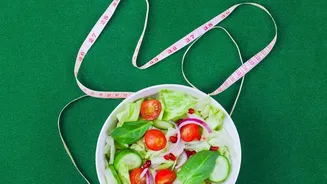
Implementing fibre-gating doesn't require restrictive dieting or giving up your favourite foods; it simply asks you to rearrange them. The ideal order for stable energy is: fibre first, protein and fats second, and starches and sugars last. For example, if you're having a dinner of chicken, rice, and broccoli, you would eat the broccoli first, followed by the chicken, and finish with the rice. This allows the fibre from the broccoli to prepare your digestive system to handle the carbohydrates from the rice more effectively. Another easy way to apply this is by starting any meal with a simple green salad with a light vinaigrette or a bowl of vegetable-based soup. This pre-meal fibre course acts as your "gate," helping to regulate your energy long after you've finished eating.
More Than Just Energy
The benefits of this eating strategy extend beyond just preventing fatigue. By blunting blood sugar spikes, food sequencing can contribute to better long-term health, especially for those managing prediabetes or type 2 diabetes. Furthermore, starting a meal with high-volume, low-calorie vegetables can increase feelings of fullness, or satiety. This can help prevent overeating and support weight management goals. The fibre also supports a healthy gut microbiome, as it feeds the beneficial bacteria in your intestines. It’s a simple tweak that offers a cascade of positive effects for your metabolic health.