



A Damaging Statistic for Travel
According to the 2026 Passenger IT Insights report from SITA, the air transport technology provider, a staggering 42% of travellers have actively decided against a trip because they anticipated the journey would be too stressful. This isn't a minor inconvenience;
it represents a significant loss of business for airlines, airports, and the entire tourism ecosystem. The survey, which gathered responses from nearly 8,000 passengers across 24 countries, shows that the problem is even more acute among the industry's most valuable customers. Six in ten frequent flyers and more than half of travellers under 30 have opted out of a trip due to expected stress, posing a serious threat to both current revenue and future growth.
The Anatomy of Travel Anxiety
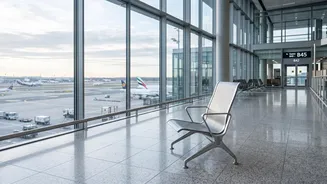
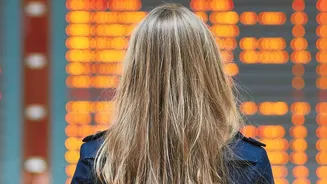
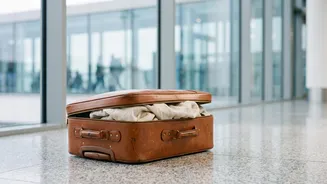
So, what exactly is causing this travel turmoil? The anxiety begins long before arriving at the airport. It stems from navigating complex booking sites, deciphering fare rules, and worrying about potential disruptions. The primary culprits identified by passengers are operational issues: delays, long queues, and anxiety over baggage. This uncertainty creates a persistent feeling of having no control. The airport environment itself often adds to the burden, with confusing layouts, sensory overload from constant announcements, and the pressure of tight timelines for security checks and boarding. According to SITA's research, anxiety during the 'dwell time' between security and boarding has tripled since 2023, turning what should be a relaxed period into a stressful wait.
The Double-Edged Sword of Technology
While travel has become more stressful, passengers overwhelmingly believe technology holds the key to fixing it. Eight in ten travellers surveyed think technology can reduce the stress of air travel. These solutions range from mobile alerts about flight changes and live information on security wait times to AI-powered systems that proactively update passengers on their journey. However, technology can also be a source of frustration if not implemented smoothly. The industry's record investment in IT can be wasted if data isn't shared effectively between airlines, airports, and ground handlers to create a seamless experience. The goal is to use technology to provide clarity and give control back to the passenger, so the journey feels as smooth on the ground as it does in the air.
A Commercial Case for Calm
The SITA report frames the issue in stark commercial terms. As CEO David Lavorel states, 'Every trip we win back is a seat filled, a parking space sold and a coffee bought'. By addressing the core stress points, the industry can convert lost demand into actual bookings and revenue. The research highlights the United Arab Emirates as a positive example, where 77% of passengers used technology at border control. In the UAE, only 13% reported negative emotions at this stage, compared to 37% globally, demonstrating that well-implemented digital processes can drastically improve the passenger experience. Ultimately, reducing passenger anxiety is not just about comfort; it is a commercial imperative for an industry built on bringing people to new places.