




From Sightseeing to Skill-Building
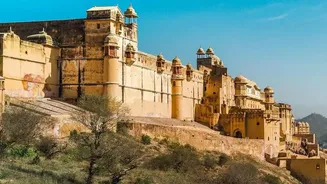
For decades, tourism in India followed a familiar script: visit the famous monuments, click the obligatory photos, and move on. But a fundamental shift is underway, driven by Millennials and Gen Z. These travellers are increasingly trading passive sightseeing
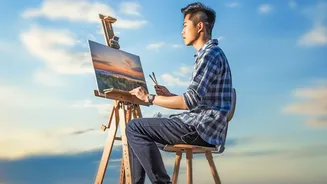
for active participation. They are planning entire trips, dubbed 'skillcations' or 'hobbycations', around learning a new skill or diving deeper into a passion. This could mean mastering pottery in a quiet Himachali village, learning to surf on the coasts of Kerala or Tamil Nadu, attending a writing retreat, or even making organic cheese on a farm in Coonoor. The focus is on immersive, hands-on experiences that offer more than just a fleeting glimpse of a destination. It’s about returning home with a tangible new ability and a deeper connection to the place where it was learned.
What's Fuelling the Trend?
Several factors are driving this move towards experiential travel. After years of digital saturation and routine-heavy work lives, many young Indians are seeking more meaningful breaks that combat burnout and foster personal growth. A vacation is no longer just an escape but an investment in oneself. This desire for authenticity is a reaction against the over-commercialised, crowded tourist traps. Instead of a selfie, the new social currency is a video of you shaping clay on a potter's wheel or riding your first wave. Furthermore, the rise of remote and flexible work schedules allows for longer, more deliberate trips that blend work, leisure, and learning. Reports indicate that this experiential travel market in India is booming, projected to grow significantly as young travellers, who make up a huge portion of the bookings, prioritise these meaningful journeys.
A Lifeline for Local and Lesser-Known Destinations
This trend holds immense potential for India's tourism landscape. While major cities and landmarks will always draw crowds, hobby-based travel can divert tourist flows to smaller, offbeat locations. A village known for a specific craft, a coastline with perfect waves, or a region with a unique culinary tradition can become a hub for a niche community of travellers. For instance, destinations like Rishikesh for yoga, the Andamans for scuba diving, and villages in Rajasthan for traditional cooking are already gaining traction. This model allows local communities to monetise their unique cultural assets directly, fostering a sense of pride and ensuring that tourism revenue is distributed more equitably. It empowers artisans, local guides, and homestay owners, creating a more sustainable and inclusive tourism economy that doesn't rely solely on large hotel chains.
How the Industry is Responding
Travel companies and local entrepreneurs are beginning to adapt to this new demand. Tour operators are curating specialised itineraries focused on everything from astrophotography in Spiti to martial arts in Kerala. Homestays and boutique properties are offering workshops and classes led by local experts, providing an authentic experience that larger hotels often cannot replicate. These initiatives are not just about adding an activity; they are about building an ecosystem around a particular skill. This includes providing the necessary infrastructure, training local instructors, and marketing these unique experiences to a global audience. As this trend grows, we can expect to see more destinations develop their own unique 'skillcation' identity, transforming the map of Indian tourism from a collection of points of interest into a network of learning experiences.