





The Problem with Too Much Rain
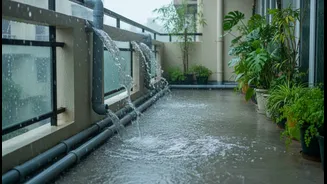
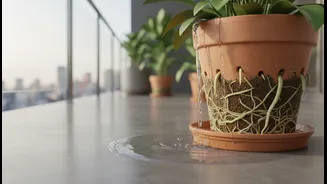
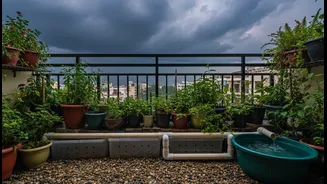
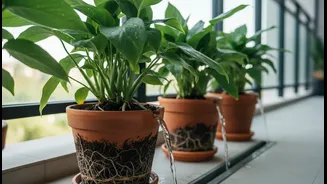
The primary challenge during the monsoon is excess water. When pots don't drain efficiently, the soil becomes saturated, cutting off oxygen to the roots. This condition, known as waterlogging, is a fast track to root rot, fungal infections, and wilting
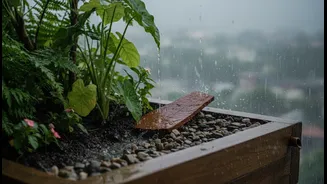
plants that, ironically, look thirsty despite being drenched. Heavy rain can also compact the soil surface, preventing water from draining and air from reaching the roots. Furthermore, constant downpours can wash away essential nutrients from the soil, leaving your plants weak and struggling.
Start with the Right Foundation: Your Potting Mix
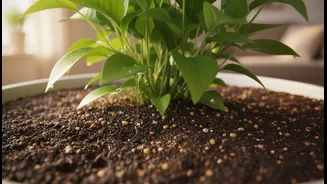
Garden soil is too dense for containers and will quickly become a block of mud in the monsoon. The ideal potting mix for the rainy season is light and well-draining. You can create your own by combining potting soil with materials that improve aeration and drainage. A reliable formula is a mix of soil, compost, and amendments like coco peat, perlite, or coarse sand. Coco peat helps retain moisture without becoming waterlogged, while perlite, a type of volcanic glass, creates air pockets in the soil. This ensures that even after a heavy shower, water can move freely through the pot.
Ensure Every Pot Can Breathe
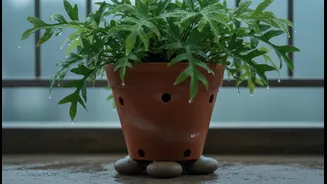
The most fundamental rule of container gardening is to ensure every pot has drainage holes. A pot without a hole is effectively a bucket, and during the monsoon, it becomes a death trap for plants. Before the rains begin, check every pot to ensure the holes are clear of obstructions. If a decorative pot has no holes, it's best to either drill some or use it as a cachepot, placing a smaller, functional pot with drainage inside it. It's also crucial to avoid the common mistake of letting pots stand in water-filled saucers. This not only causes root rot but creates a breeding ground for mosquitoes. Either remove saucers for the season or commit to emptying them daily after rainfall.
Elevate Your Garden for Better Airflow
Lifting your pots off the floor is one of the simplest and most effective upgrades you can make. Placing pots on bricks, wooden blocks, or dedicated pot feet creates a small air gap underneath. This simple step prevents the drainage holes from getting blocked by the floor and dramatically improves water runoff and air circulation around the base of the pot. For smaller plants, grouping them on multi-tiered stands or shelves not only saves space but also protects them from sitting in puddles that may form on the balcony floor.
The Myth of a Gravel Layer
A long-standing gardening myth suggests that adding a layer of gravel or broken pottery (shards) to the bottom of a pot improves drainage. However, modern horticulture has shown this to be counterproductive. Water actually has difficulty moving from the finer texture of the soil to the coarser texture of the gravel, causing it to collect in the soil just above the gravel layer—exactly where the roots are. This creates a perched water table, keeping the root zone wetter for longer. It's more effective to use a well-draining soil mix throughout the entire pot.
Choose Your Monsoon Warriors
Some plants are simply better equipped to handle the monsoon's humidity and moisture. Tropical plants that thrive in these conditions include hibiscus, jasmine, balsam, and rain lilies. Many foliage plants like ferns, money plants (pothos), and peace lilies also experience a growth spurt during this time. Conversely, succulents, cacti, and other fleshy-leaved plants that store water are highly susceptible to rot and should be moved to a sheltered spot away from direct rain. Choosing the right plants for the season ensures your balcony remains lush and vibrant rather than stressed and decaying.