



The Challenge of Urban Skies
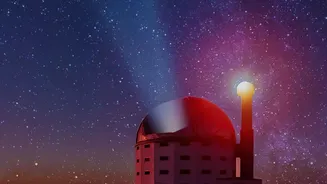
The glow from streetlights, buildings, and cars creates a phenomenon known as light pollution, a luminous blanket that obscures all but the brightest celestial objects. This is why finding constellations or seeing the Milky Way is nearly impossible from a metro
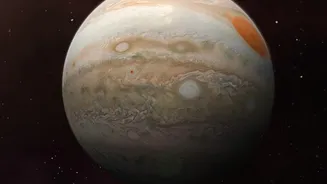
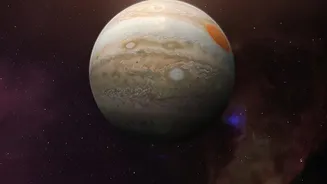
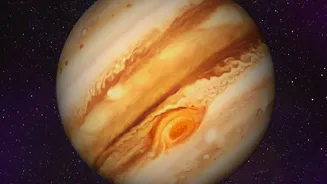
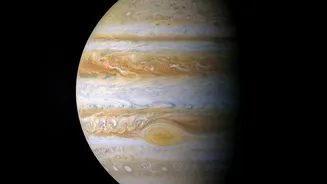
area. However, planets are a different story. Because they are relatively close and reflect the sun's light, planets like Venus, Jupiter, Mars, and Saturn are often bright enough to cut through the urban haze. They also tend to shine with a steadier light compared to the twinkling of distant stars, making them surprisingly distinct once you know what to look for.
Your Phone is a Pocket Planetarium
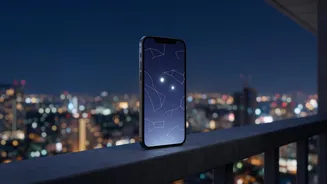
This is where your smartphone becomes an astronomer's best friend. Modern stargazing apps use your phone’s built-in GPS and compass to know exactly where you are and which direction you're pointing. When you hold your phone up to the sky, these apps overlay a map of celestial objects onto your screen in real-time, using augmented reality (AR) to show you precisely what you're looking at. That bright dot you've noticed on your evening walk? An app can tell you in seconds if it's Jupiter, a passing satellite, or just an airplane.
Top Apps for City Stargazers
While there are dozens of apps, a few are consistently recommended for their ease of use and powerful features, even in their free versions. Star Walk 2 is a fantastic starting point for beginners, praised for its beautiful interface and simple 'point-and-identify' function. Stellarium Mobile offers a highly realistic and accurate sky map, making it a favorite for those who want a bit more detail. For an all-around user-friendly experience, SkyView Lite is another excellent choice that makes identifying objects effortless. Many of these apps also have free versions that are more than powerful enough for a casual urban observer.
Which Planets to Look For
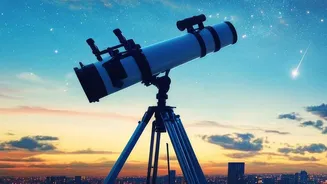
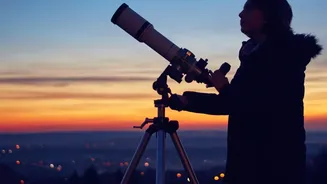
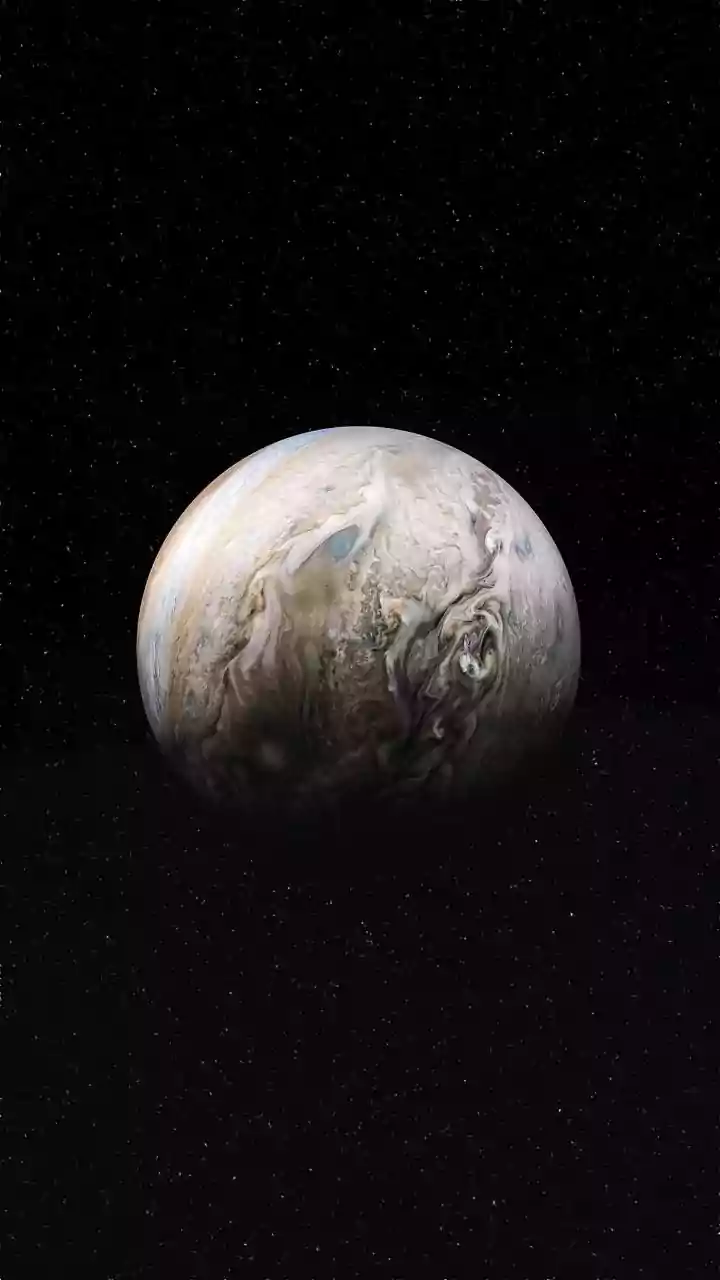
You don’t need a telescope to spot the solar system's brightest members. Venus is often the most brilliant object in the sky just after sunset or before sunrise, earning its name as the “Evening Star” or “Morning Star”. Jupiter is also exceptionally bright, easily outshining all true stars. Saturn appears as a steady, yellowish point of light, while Mars is identifiable by its distinct reddish hue. An app can not only help you find these planets but also provide information on their visibility throughout the month.
Tips for the Best Viewing Experience
To make the most of your urban stargazing, a little preparation goes a long way. First, find the darkest spot you can. A park, a rooftop, or even a quiet street with fewer streetlights can make a difference. Second, give your eyes time to adapt to the darkness; it can take 15-20 minutes to become fully adjusted. Avoid looking at your bright phone screen during this time. Most apps have a red-light mode to help preserve your night vision. Finally, check the weather. A clear, cloudless night is essential for any kind of sky-watching.