






First, What Is the Skin Barrier?
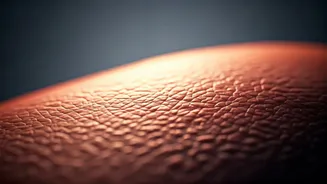
Think of your skin barrier, or stratum corneum, as a security guard for your body. It's the outermost layer of your skin, composed of tough skin cells held together by lipids like ceramides and fatty acids. Its primary job is twofold: to keep essential
moisture and nutrients in, and to keep harmful environmental aggressors like pollution and bacteria out. When this barrier is healthy, your skin looks and feels smooth, calm, and hydrated. But when it becomes compromised or damaged—due to harsh weather, over-exfoliation, or stress—it can lead to dryness, redness, irritation, and increased sensitivity. A strong barrier is the foundation of healthy skin.
Introducing Rice Bran
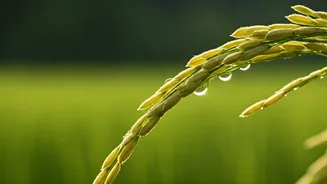
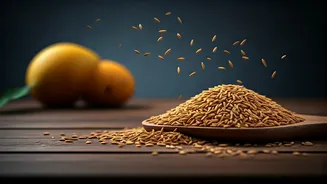
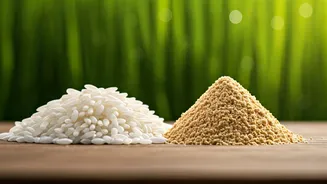
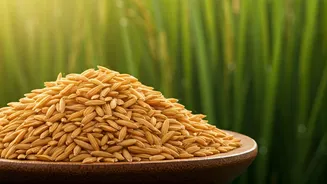
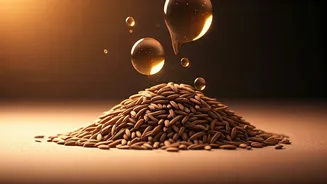
For centuries, rice bran has been a beauty staple in many Asian cultures, particularly in Japan where it was used to soften and smooth the skin. Rice bran is the nutrient-packed outer layer that is removed when brown rice is milled into white rice. Far from being waste, this layer is a treasure trove of skin-loving compounds. It is rich in antioxidants, vitamins B and E, essential fatty acids, and other powerful phytonutrients that have drawn the attention of modern dermatology. Two of its most celebrated components are gamma-oryzanol, a potent antioxidant unique to rice bran, and plant-based ceramides.
How Rice Bran Supports Your Barrier
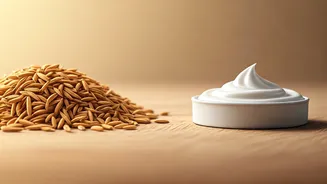
The main benefit of rice bran for the skin barrier lies in its impressive lipid profile. It contains ceramides, which are a crucial component of the skin's own lipid matrix. As we age, our natural ceramide levels decline, weakening the barrier. Topical products containing rice-derived ceramides can help replenish these lipids, reinforcing the 'mortar' between your skin cells to lock in moisture and reduce water loss. Furthermore, rice bran is a source of essential fatty acids like linoleic acid and oleic acid. These fatty acids help nourish the skin, maintain its structure, and keep the barrier flexible and resilient.
Beyond Barrier Repair
While its barrier-strengthening properties are significant, rice bran is a multi-tasking ingredient. It's packed with powerful antioxidants like Vitamin E, ferulic acid, and gamma-oryzanol, which help protect the skin from environmental stressors and free radical damage that can accelerate aging. Some studies and components suggest it can also help brighten the complexion and even out skin tone. Phytic acid, another compound found in rice bran, acts as a gentle exfoliant, helping to remove dead skin cells for a smoother, more radiant appearance without the irritation of harsher acids. Its anti-inflammatory properties can also help soothe and calm irritated skin.
How to Use Rice Bran in Your Routine
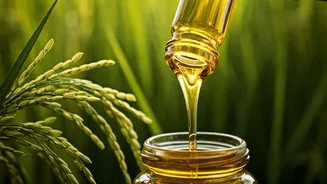
Incorporating rice bran into your skincare routine is easier than ever, as it's found in a variety of products. You can find rice bran oil, extracts, or powders in cleansers, moisturizers, serums, and masks. Rice bran oil is particularly prized for being lightweight, non-greasy, and suitable for most skin types, including sensitive and dry skin. Look for ingredients like Oryza Sativa (Rice) Bran Oil, Oryza Sativa (Rice) Bran Extract, or rice-derived ceramides on product labels. For a DIY approach, rice bran powder can be mixed with water or other ingredients like honey to create a gentle exfoliating mask, though it's always wise to patch-test any new ingredient or formulation.