




The Smart Solution for Urban Homes
The desire for green, living spaces within our homes has never been stronger, especially in the bustling cities of India. Plants purify the air, reduce stress, and add a touch of natural beauty. However, for apartment gardeners, the dream of a lush oasis
often runs into practical hurdles. The fear of overwatering or underwatering, combined with hectic work lives and travel, can lead to wilted leaves and disappointment. More importantly, in a country where water conservation is a growing concern, the idea of liberally watering plants can feel at odds with responsible living. This is where water-saving planters, also known as self-watering pots, emerge as a game-changer. They offer a simple yet ingenious way to keep plants perfectly hydrated with minimal effort and significantly less water waste.
How Do They Actually Work?
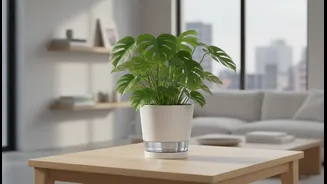
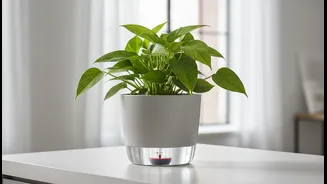
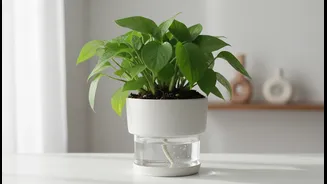
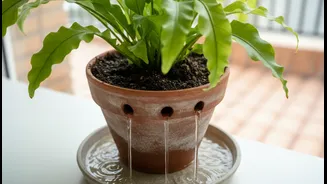
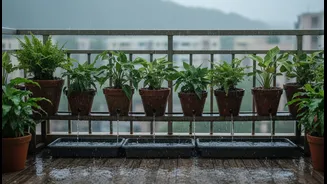
The magic of a self-watering planter lies in its simple, two-part design. It consists of an main planting container and a water reservoir at the bottom. The two sections are separated by a perforated barrier. A 'wicking' system, which can be a strip of fabric or a column of soil that extends downwards, connects the soil in the planter to the water below. This system works through a natural process called capillary action, the same phenomenon that allows a sponge to soak up a spill. The wick draws water up from the reservoir into the soil as the soil begins to dry. This allows the plant to take only as much moisture as it needs, directly at the roots, creating a self-regulating cycle. You simply fill the reservoir, and the planter does the rest, often for a week or two at a time.
Finding the Right Planter for You
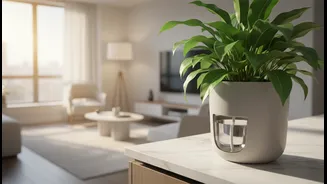
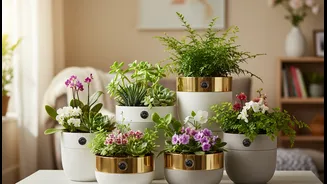
Water-saving planters come in various forms, but most fall into a few key categories. The most common are 'wicking' planters, which use a fabric wick to pull water up from the reservoir. Another popular type is the Sub-Irrigated Planter (SIP), which functions similarly but often involves a larger built-in reservoir platform, making them great for bigger plants or even small vegetable patches. For those on a budget or looking to adapt existing pots, terracotta watering spikes offer a simpler alternative. These porous clay cones are filled with water and inserted into the soil, releasing moisture slowly. Many modern self-watering planters also come with a water-level indicator, taking all the guesswork out of when to refill.
Benefits Beyond Saving Water
While water conservation is a major advantage, these planters offer a host of other benefits. The most significant is healthier plants. By providing a consistent level of moisture and delivering it from the bottom up, they prevent the common problem of root rot caused by overwatering. It also means the top layer of soil remains drier, discouraging pests and fungal growth. For busy professionals or frequent travellers in India, self-watering pots mean peace of mind, ensuring plants survive a few days (or even weeks) of neglect. This consistent environment reduces plant stress, leading to more robust growth and longer-lasting blooms. Ultimately, they make gardening more accessible and less intimidating for beginners.
Perfect Plants for Self-Watering Pots
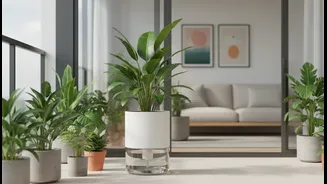
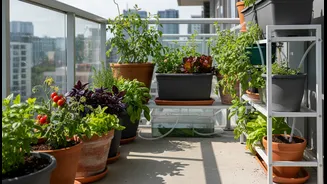
Most common houseplants that prefer consistently moist soil thrive in self-watering planters. Think of tropical foliage plants like the Peace Lily, Money Plant (Pothos), Syngonium, and Philodendron. Herbs like basil and mint, which tend to wilt quickly when they dry out, also do exceptionally well. However, these pots are not suitable for all plants. Drought-loving species such as succulents and cacti, like the popular Jade Plant or Snake Plant, prefer their soil to dry out completely between waterings. The constant moisture of a self-watering system can lead to root rot for these types of plants. It's crucial to match the planter to the plant's natural needs.
DIY Options for the Frugal Gardener
Embracing the Indian spirit of 'jugaad', you don’t have to buy expensive planters to reap the benefits. It's surprisingly easy to make your own self-watering system. A popular method involves using two plastic containers of slightly different sizes. You can drill holes in the bottom of the smaller, inner pot, thread a cotton wick (like a strip from an old t-shirt) through one of the holes, and place it inside the larger pot, which acts as the reservoir. Another simple hack uses a plastic bottle: cut it in half, invert the top part with the cap on, poke a hole in the cap, thread a wick through it, and place it into the bottom half which holds the water. These DIY solutions are a fantastic, low-cost way to experiment with self-watering.