




The Joy of Vertical Propagation
Plant propagation is the simple, magical process of growing new plants from cuttings of existing ones. While traditional methods require pots and soil, water propagation is a fantastic alternative for beginners. The concept of ‘vertical propagation’ takes
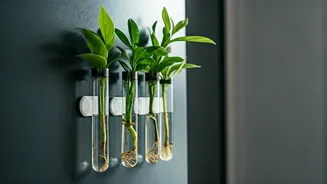
this a step further by using wall space, creating a living, growing display that saves precious shelf and counter space. This is especially useful for those living in apartments or smaller homes who want to bring more greenery indoors without the clutter. The magnetic test tube hack is the perfect entry point into this world—it’s low-cost, visually stunning, and incredibly simple.
Why Your Refrigerator is Perfect
You might not think of your refrigerator as a gardening space, but it’s actually an ideal spot for a mini propagation station. Most fridges have a large, flat, metallic surface that is often underutilised. By attaching small, water-filled test tubes with magnets, you create an instant vertical garden. The kitchen is typically a well-lit, high-traffic area, which means you’ll never forget to check on your little plant babies. It also adds a touch of organic, scientific-chic decor to a usually utilitarian appliance. Every time you reach for a snack, you’ll get a glimpse of new roots forming, connecting you with the slow, satisfying process of nature.
What You Will Need
Getting started with this project is incredibly easy and requires just a few items, many of which can be found online or at craft and science supply stores. * **Test Tubes:** Glass or clear plastic test tubes work best, as they allow you to watch the root growth. Small, elegant tubes around 15cm in length are ideal. * **Strong Magnets:** Neodymium or rare-earth magnets are recommended. You’ll need small, powerful discs that can be glued to the test tubes and can securely hold the weight of the tube filled with water and a plant cutting. * **Waterproof Glue:** A strong adhesive like super glue or an epoxy will be needed to attach the magnets to your test tubes. * **Plant Cuttings:** The star of the show! Choose healthy, vining plants that root easily in water.
The Best Plants for This Hack
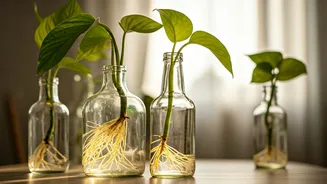
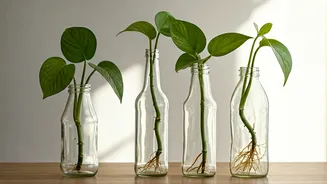
Not all plants are suited for water propagation, but many popular and hardy houseplants thrive with this method. Look for plants with nodes on their stems—these little bumps are where new roots will sprout. * **Pothos (Money Plant):** The undisputed king of easy propagation. A single leaf cutting with a node will root within a couple of weeks. * **Philodendron:** Similar to Pothos, heartleaf philodendrons are incredibly forgiving and grow beautiful roots in water. * **Wandering Dude (Tradescantia zebrina):** Known for its vibrant purple-striped leaves, this plant roots so quickly you can often see progress in just a few days. * **Spider Plant:** Instead of stem cuttings, you can simply snip off the small 'spiderettes' that dangle from the mother plant and place them in water. * **Syngonium (Arrowhead Plant):** These are also easy to propagate and come in a variety of beautiful colours.
Your Step-by-Step Guide
1. **Prepare Your Tubes:** Securely glue one or two small magnets to the side of each test tube. Let the glue dry completely according to the manufacturer's instructions. 2. **Take Your Cuttings:** Using clean scissors or shears, take a cutting from a healthy mother plant. Make sure your cutting is 4-6 inches long and has at least one or two nodes (and a few leaves) on the stem. 3. **Add Water:** Fill the test tubes about two-thirds full with room-temperature water. Tap water is usually fine, but you can let it sit out for 24 hours to allow any chlorine to evaporate. 4. **Place the Cutting:** Submerge the node(s) of your plant cutting in the water, ensuring the leaves remain above the waterline to prevent rot. 5. **Mount and Admire:** Stick your magnetic test tubes onto your refrigerator. Arrange them in a pattern you love and enjoy your new vertical garden!
Care and When to Pot
Maintenance is minimal but crucial for success. Change the water every 5-7 days to keep it fresh and oxygenated, which prevents bacterial growth and helps the roots develop. Place your fridge garden in a spot that receives bright, indirect light; direct sun can be too harsh. Within a few weeks, you should see white roots sprouting from the nodes. Once the roots are about 1-2 inches long and have started developing their own smaller, secondary roots, your cutting is ready to be transferred to soil. Gently plant it in a small pot with fresh potting mix, water it well, and watch your new plant thrive.