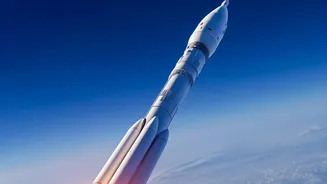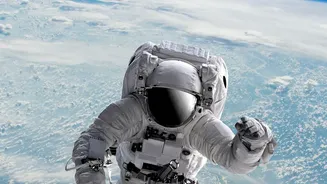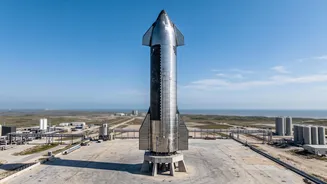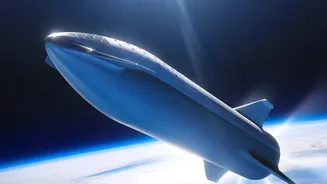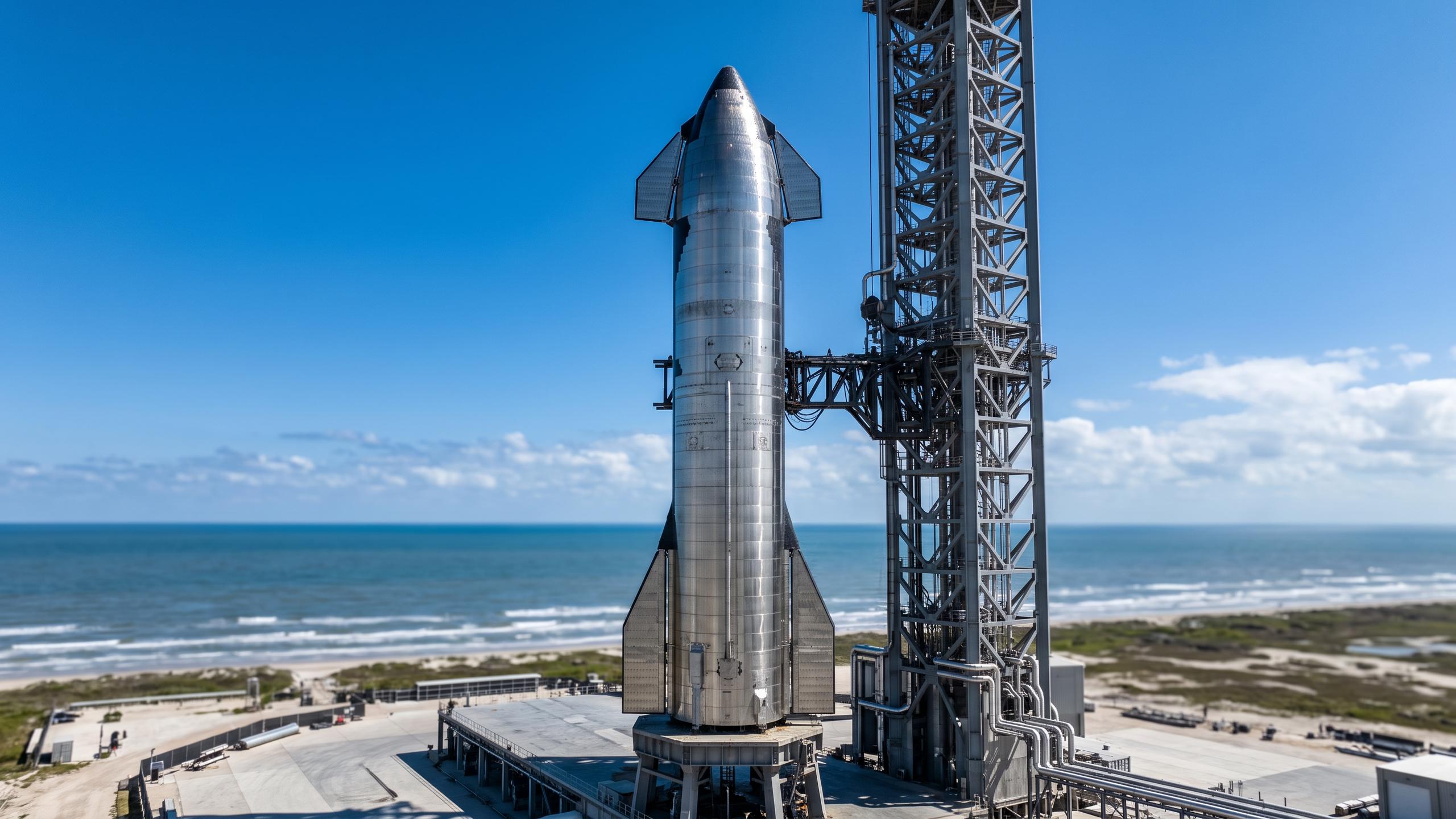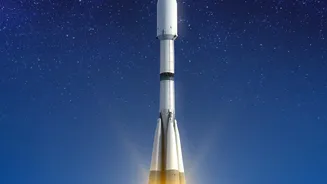



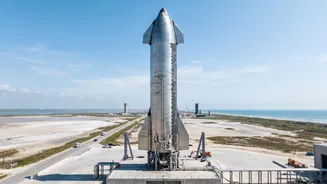
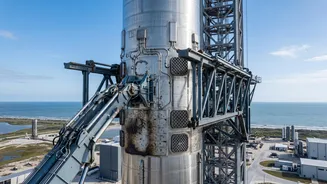
It’s a classic puzzle: how can a rocket accelerate in the empty vacuum of space? With no air to push against, it feels like it should be impossible. The answer is simpler and more elegant than you might think, and it all goes back to Isaac Newton.
The 'Swimming in Air' Myth
On Earth,
most things move by pushing against something else. A car's tires push against the road. A swimmer's hands push against the water. A propeller on a plane pushes against the air. It's an intuitive concept, and it’s why many people assume rockets must work the same way. The misconception is so common that even in the early 20th century, major newspapers ridiculed the idea of space travel, claiming that a rocket would be useless in a vacuum because it had 'nothing to push against'. This very logical-sounding idea, however, is based on a misunderstanding of what a rocket is actually doing when it creates thrust.
It’s All About Action and Reaction
The real secret to rocket propulsion lies in one of the most fundamental laws of physics: Newton's Third Law of Motion. You've probably heard it before: 'For every action, there is an equal and opposite reaction'. This law doesn't say anything about needing a surrounding environment like air or water to work. It's a universal principle that describes a pair of forces between two objects. A rocket and its exhaust are a perfect example of this. The rocket isn't pushing on the air around it; it's pushing on its own fuel.
The Simple Balloon Analogy
To understand this, picture a simple, inflated balloon. If you pinch the opening and hold it still, the air inside pushes equally in all directions. But the moment you let go, the air rushes out of the nozzle. That rushing air is the 'action'. As the balloon pushes the air out one way, the air pushes the balloon in the opposite direction—the 'reaction'. The balloon zips around the room not because it's pushing off the air in the room, but because it's pushing off the air it's expelling. A rocket engine works on exactly the same principle, just on a much grander and more violent scale.
Inside a Rocket Engine
Instead of compressed air, a chemical rocket engine has a combustion chamber where fuel and an oxidizer are mixed and ignited. This creates a controlled, continuous explosion, producing enormous amounts of hot, high-pressure gas. This gas expands in all directions, but it can only escape through the nozzle at the bottom of the rocket. As the engine violently throws this mass of hot gas backward at incredible speed (the action), the gas exerts an equal and opposite force on the engine, pushing the entire rocket forward (the reaction). In essence, the rocket moves by throwing parts of itself—the exhaust gas—away at very high velocity.
Space: The Ideal Place to Fly
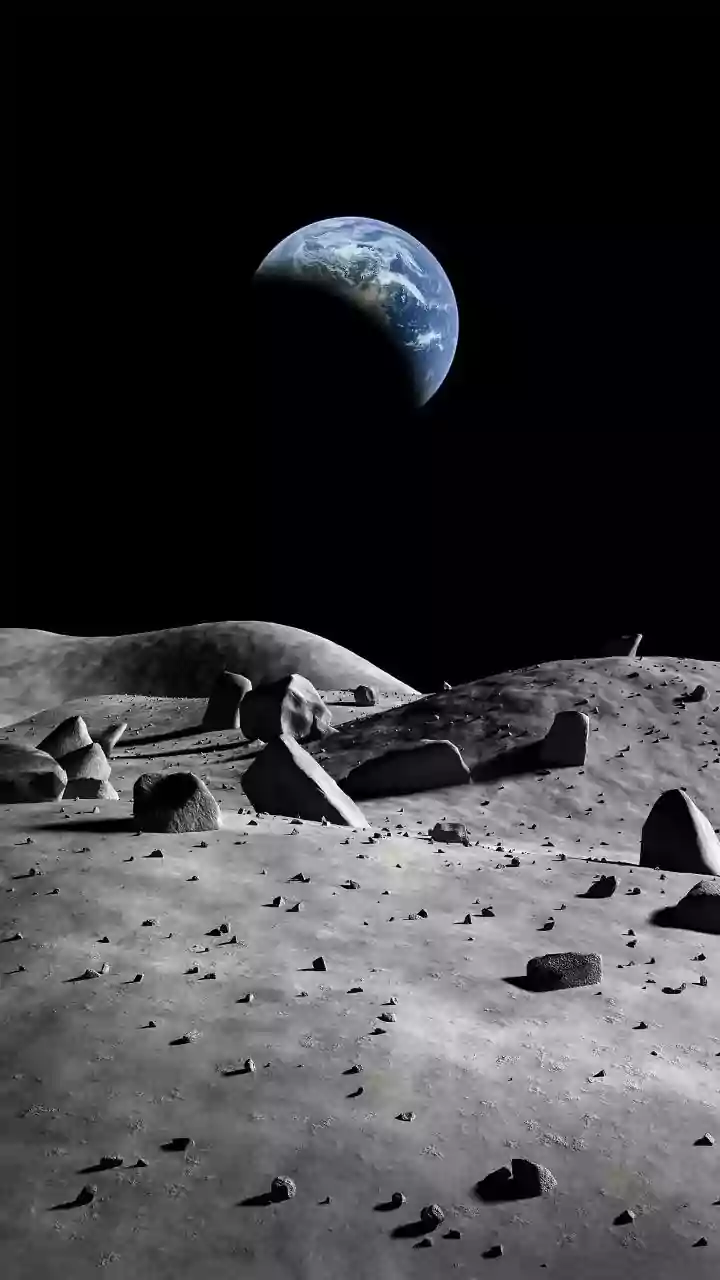
Far from being a problem, the vacuum of space is actually where a rocket engine works best. On Earth, the surrounding atmosphere causes two issues. First, it creates drag, physically resisting the rocket's forward motion. Second, the atmospheric pressure pushes against the exhaust as it exits the nozzle, slightly reducing its efficiency. In the vacuum of space, there is no air resistance and no external pressure to get in the way. The exhaust gases can expand freely, making the engine more efficient and allowing it to produce more thrust from the same amount of fuel. This is why upper-stage rocket engines often have much larger, bell-shaped nozzles designed specifically to take advantage of vacuum conditions.