







Your Fundamental Rights: The DGCA Rules
The Directorate General of Civil Aviation (DGCA) sets the baseline for passenger rights in India, and its rules are your strongest asset. The key regulation is the Civil Aviation Requirement (CAR), which outlines what airlines owe you. A significant recent
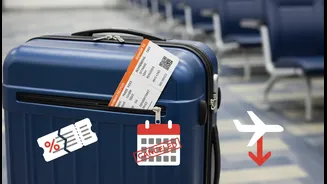
update, effective March 26, 2026, introduced several passenger-friendly measures. One of the most powerful is the 48-hour 'look-in' window. This allows you to cancel or amend a ticket within 48 hours of booking without paying cancellation fees, provided the booking was made directly on the airline's website. This rule applies if your domestic flight is at least seven days away or your international flight is at least 15 days away. Additionally, you can correct spelling errors in your name within 24 hours of booking for free.
When the Airline Cancels on You
If an airline cancels your flight, your rights depend on how much notice you receive. If the cancellation is announced more than two weeks in advance, the airline must offer you a choice between a full refund or an alternative flight. If the notice is between 24 hours and two weeks, they should offer to rebook you on another flight. The real compensation kicks in for last-minute cancellations. If the airline informs you less than 24 hours before departure, you are entitled to a full refund or an alternate flight, plus monetary compensation ranging from ₹5,000 to ₹10,000, depending on the flight's duration. Airlines must process refunds within 7 days for credit card payments and 14 working days for bookings made via travel agents.
What if Your Flight Is Delayed?
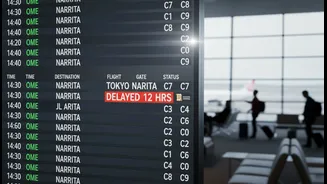
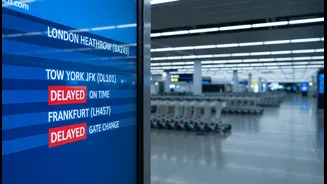
Delays don't always trigger a cash refund, but they do entitle you to care. For delays of 2 to 4 hours, airlines must provide free meals and refreshments. If the delay stretches longer, your options expand. The DGCA mandates that for significant delays, passengers must be offered a refund or rebooking. For overnight delays (typically a wait of over 6-8 hours), the airline is obligated to provide hotel accommodation and transport. However, these compensation rules often do not apply in cases of 'force majeure' or extraordinary circumstances like severe weather, political instability, or air traffic control restrictions. Even in these situations, while you may not get financial compensation, the airline must still offer a refund or an alternative flight.
The Myth of the 'Non-Refundable' Ticket
The term 'non-refundable' can be misleading. While you may not get the base fare back if you voluntarily cancel a non-refundable ticket, you are always entitled to a refund of statutory taxes and fees. This includes the User Development Fee (UDF), Airport Development Fee (ADF), and Passenger Service Fee (PSF). These charges can constitute a significant portion of your ticket price, often between ₹500 and ₹2,500. Airlines are mandated to display the refundable amount clearly at the time of booking. Furthermore, they cannot force you to accept a credit shell instead of a cash refund when you are entitled to one, such as in the case of an airline-initiated cancellation; the choice must be yours.
How to Claim Your Refund Successfully
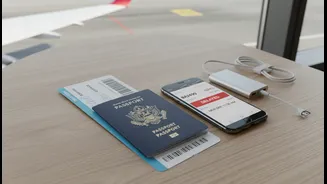
To claim a refund, always start by contacting the airline directly through their official website, app, or customer service. Have your PNR and ticket number ready. If the airline denies your rightful claim or does not respond, your next step is to file a formal complaint on the government's AirSewa portal (airsewa.gov.in). This platform forwards your grievance to both the airline and the DGCA, creating a formal record and pressure for resolution. It is crucial to keep meticulous records of everything: your booking confirmation, the cancellation notice from the airline, and any correspondence you have had. If you booked through a travel agent, the airline is still ultimately responsible for ensuring you receive your refund within the stipulated 14-day timeline.