




Why Coconut Shells Are a Problem
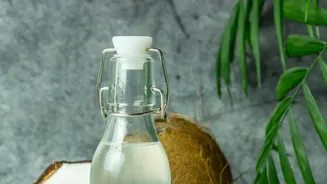
The Aedes mosquito, the primary vector for dengue, chikungunya, and Zika, is known as a container breeder. It doesn't need large ponds or puddles; a small amount of stagnant water is all it requires to lay its eggs. The curved, sturdy shape of a coconut
shell makes it an ideal breeding site. It collects and holds rainwater for days, providing a sheltered, stable environment for larvae to hatch and mature. Studies have shown that coconut shells are often preferred breeding spots for these mosquitoes, sometimes even more so than plastic containers or old tires. Because they are natural objects, they often blend into the environment and are easily overlooked during routine clean-ups, allowing mosquito populations to multiply unchecked right in our own backyards.
The Diseases They Spread
The main threat from mosquitoes breeding in these containers is the spread of viral illnesses. Dengue is a major public health concern in India, with outbreaks occurring annually, particularly during and after the monsoon season. All four strains of the dengue virus are now circulating in the country, which increases the risk of severe illness if a person gets infected with a different strain after a previous infection. Chikungunya, another disease spread by the same Aedes mosquito, causes debilitating joint pain, fever, and fatigue. While not always fatal, these diseases cause significant suffering and place a heavy burden on families and healthcare systems. Preventing mosquitoes from breeding is the most effective way to control their spread, as there is no specific treatment for many of these viral infections.
A Simple Prevention Checklist
The good news is that preventing mosquitoes from breeding in coconut shells is simple. It just requires a little diligence. The most important step is proper disposal. Instead of casually tossing shells into the garden or a vacant lot, they should be broken into small pieces so they cannot hold water. If you want to keep them for other uses, like crafting or gardening, ensure they are stored upside down or in a covered area where they will not collect rain. Another effective method is to fill them with sand or soil, which makes them unusable for mosquitoes. Making this a regular habit, especially during the rainy season, can drastically reduce the mosquito population around your home. A weekly check of your property is a highly effective strategy.
Look Beyond Just the Shells
While coconut shells are a significant and often overlooked risk, the principle of eliminating stagnant water applies to many other items around the home. Aedes mosquitoes can breed in any artificial container that holds water. Pay close attention to flowerpot saucers, discarded tires, plastic containers, bird baths, clogged roof gutters, and even the trays that collect condensation at the back of refrigerators. Regularly empty, clean, or dispose of these items. Tarpaulins or plastic sheets that are not stored properly can have folds that collect water. By being vigilant about all potential breeding sites, not just coconut shells, you create a much safer environment for your family and neighbours.
A Community-Wide Responsibility
Mosquito control is not just an individual effort; it requires community participation to be truly effective. Aedes mosquitoes have a limited flight range, which means if you are being bitten, the breeding site is likely very close by—in your home or a neighbour's. Talk to your neighbours, work with your residential welfare association, and ensure common areas are also checked for stagnant water. Raising awareness and encouraging collective action are crucial components of public health campaigns promoted by authorities like the National Center for Vector Borne Diseases Control. By working together to eliminate these breeding grounds, communities can form a powerful line of defence against mosquito-borne diseases.