








The Monsoon’s Moisture Menace
The Indian monsoon, while romanticised, presents a significant challenge to food safety. The core problem is the dramatic spike in humidity. This airborne moisture is a silent enemy in any kitchen, but especially in large-scale operations like corporate
cafeterias. High humidity creates the ideal environment for bacteria, viruses, and fungi to thrive and multiply at an accelerated rate. Warm, damp conditions mean that food spoils faster, and microbes that cause illnesses like gastroenteritis, cholera, and typhoid find it easier to spread. This isn't just about leaving food out; the very air becomes a vector, allowing mould spores and bacteria to settle on surfaces, utensils, and raw ingredients, often invisibly.
Unseen Threats in Everyday Staples
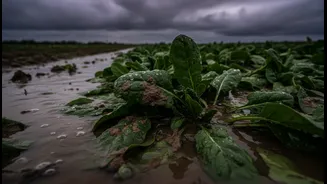
The term "clear supplies" points to the basic, seemingly harmless staples that form the backbone of any meal. Think grains, flours, spices, and lentils. During the monsoon, these dry goods are particularly vulnerable. When stored improperly in humid conditions, they absorb moisture, making them a breeding ground for moulds that can produce dangerous mycotoxins like aflatoxins. These toxins are not destroyed by cooking and can pose serious long-term health risks. Similarly, fresh produce like leafy greens can harbour dirt and bacteria from contaminated rainwater and soil. If not washed meticulously, often in a saltwater or vinegar solution as recommended by food safety authorities, these pathogens can easily make their way into salads and cooked dishes. Even water used for cooking or washing can become a source of contamination if not properly filtered or boiled.
The Cafeteria's Compliance Gap
Corporate cafeterias often operate under immense pressure, serving hundreds or thousands of meals daily. This scale can unfortunately lead to gaps in food safety, especially during the challenging monsoon months. The problem is rarely intentional but stems from systemic issues. Supply chains can be disrupted, storage facilities may lack adequate humidity control, and overworked staff might overlook crucial hygiene steps. Commercial kitchens generate a lot of steam and heat, which further exacerbates ambient humidity, putting a strain on refrigeration units and creating condensation on surfaces where bacteria can grow. The Food Safety and Standards Authority of India (FSSAI) has issued guidelines for the monsoon, but consistent implementation—from rigorous supplier checks to regular equipment maintenance and staff training—is a constant battle. Without strict adherence to protocols like FIFO (First-In, First-Out) for inventory and sanitising all surfaces, cafeterias can unknowingly serve contaminated food.
Your Role as a Conscious Diner
As an employee, you are the final checkpoint. Being vigilant can significantly reduce your risk. Pay attention to your senses. Does the food smell or look off? Is there a slightly damp or musty odour in the dining area? Opt for foods that are served piping hot, as high temperatures kill most active bacteria. Be wary of raw items like salads, pre-cut fruits, and chutneys, which are at a higher risk of contamination during this season. If you choose to eat them, ensure they look fresh and crisp, not wilted or discoloured. Don't hesitate to ask cafeteria staff about their food safety practices, such as how they wash vegetables or where they source their water. A clean dining area and staff who observe personal hygiene (wearing gloves, clean aprons, and hairnets) are good indicators of a well-run kitchen.
A Call for Corporate Vigilance
Ultimately, the onus is on corporations to ensure the well-being of their employees. This goes beyond simply hiring a caterer. Companies should invest in regular, independent food safety audits of their cafeterias, especially leading into and during the monsoon. Management should ensure their kitchen partners are following FSSAI guidelines, which include thorough washing of produce, maintaining clean and dry storage areas, and ensuring personal hygiene among staff. Investing in better infrastructure, such as dehumidifiers for storage areas and commercial-grade water purifiers, can make a significant difference. Training kitchen staff on the specific risks of the monsoon season, including how to spot early signs of spoilage and prevent cross-contamination between raw and cooked foods, is a critical step toward creating a safer dining environment for everyone.