


A Comforting Culinary Tradition
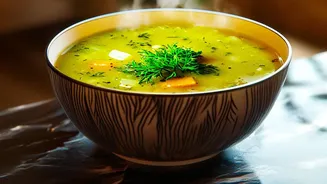
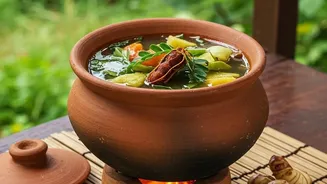
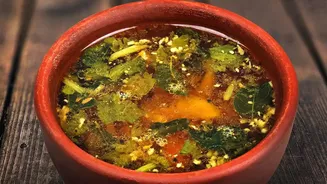
Rasam is a staple in South Indian cuisine, a thin, soup-like preparation known for its distinctive tangy and spicy flavours. While there are many variations, pepper rasam, or 'milagu rasam' in Tamil, holds a special place. It is lighter than other versions
and celebrated for the warming heat of black pepper, its star ingredient. Traditionally, it is a food prepared for those feeling under the weather, prized for being light, easy to digest, and incredibly soothing. Families often turn to this dish during colder months or when a cough or cold strikes, serving it either as a soup to sip on or mixed with hot steamed rice.
The Power of Simple Spices
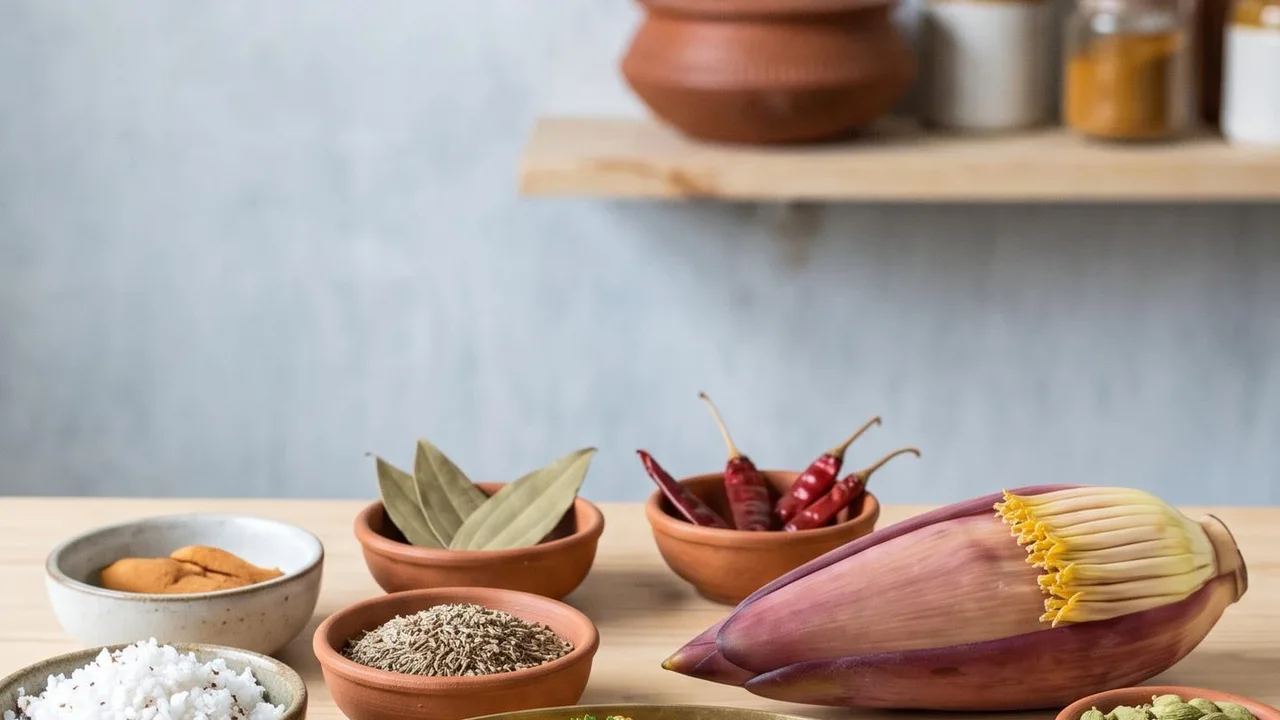
The magic of pepper rasam lies in its simple yet potent combination of spices. The key blend typically features freshly crushed black peppercorns and cumin seeds, often pounded with garlic. Black pepper is traditionally believed to help relieve congestion, while cumin is known for aiding digestion. The base is a tangy tamarind water, balanced with tomatoes, turmeric, and asafoetida (hing). This combination of ingredients creates a flavour profile that is sharp, aromatic, and deeply satisfying. Many believe this combination of spices works together to provide comfort and relief when you’re feeling unwell.
Authentic Pepper Rasam Recipe
This recipe yields a classic pepper rasam. The key is using freshly ground spices for the most vibrant aroma and flavour. Ingredients: For the Spice Powder (to be freshly ground): 1 ½ teaspoons black peppercorns 1 teaspoon cumin seeds 3-4 cloves of garlic, lightly crushed with skin on (optional) For the Rasam: A small, lemon-sized ball of tamarind, soaked in 1 cup of warm water 1 medium ripe tomato, chopped ¼ teaspoon turmeric powder Salt to taste A handful of fresh coriander leaves, chopped For Tempering (Tadka): 1 tablespoon ghee or sesame oil ½ teaspoon mustard seeds ½ teaspoon cumin seeds 1 dry red chilli 1 sprig of curry leaves A pinch of asafoetida (hing)
Step-by-Step Instructions
1. Prepare the Spice Mix: In a mortar and pestle or a small grinder, coarsely crush the black peppercorns, 1 teaspoon of cumin seeds, and garlic cloves (if using). Set aside. 2. Make the Tamarind Base: Squeeze the soaked tamarind to extract its juice into the water. Strain the liquid to remove any solids and set the tamarind water aside. 3. Start the Tempering: Heat the ghee or oil in a medium-sized pot. Add the mustard seeds and let them splutter. Add ½ teaspoon of cumin seeds, the dry red chilli, asafoetida, and curry leaves. Sauté for a few seconds until fragrant. 4. Cook the Base: Add the chopped tomato to the pot and cook until soft and pulpy. Add the turmeric powder and the prepared tamarind water. Bring this to a simmer and let it cook for about 5-7 minutes to reduce the raw smell of the tamarind. 5. Combine and Simmer: Add another 2 cups of water and salt to taste. Bring it to a gentle boil. Now, add the freshly ground spice mix. A crucial tip for a flavourful rasam is to not over-boil it after adding the spices. Let it simmer just until a froth appears on the surface, which should take about 2-3 minutes, then turn off the heat. 6. Garnish and Rest: Finally, add the chopped coriander leaves, cover the pot, and let the rasam rest for at least 5 minutes. This allows the flavours to meld together beautifully.
How to Best Enjoy Your Rasam
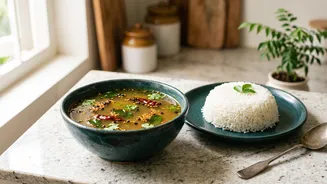
Pepper rasam is wonderfully versatile. For a truly comforting meal when you have a cold, simply pour it into a mug and sip it like a soup. It provides instant warmth and helps soothe a sore throat. The most traditional way to serve it is poured over a bowl of hot, fluffy steamed rice, often with a spoonful of ghee on top. This combination, known as 'rasam sadam', is light on the stomach and easy to eat, even when your appetite is low. It pairs well with simple side dishes like a potato fry or a crisp appalam (papad).