
Ridge Gourd Peel Chutney (Turai Ke Chilke Ki Chutney)
The tough, ridged skin of the turai, or ridge gourd, is almost always destined for the bin. But with a little creativity, it becomes the star of a zesty and spicy chutney. The peels are typically sautéed with lentils, garlic, and red chilies until tender,
then ground into a coarse paste with tamarind and a touch of jaggery. This Andhra-style 'thokku pachadi' transforms fibrous waste into a flavour-packed condiment perfect with rice, dosa, or idli.
Bottle Gourd Peel Sabzi (Lauki Ke Chilke Ki Sabzi)
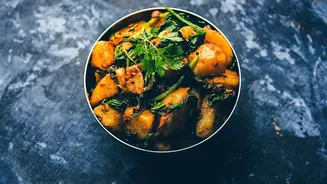
Lauki, or bottle gourd, is a staple, but its peels are often discarded. However, when peeled slightly thicker than usual, these skins can be made into a surprisingly tasty and crunchy stir-fry. The trick is to slice the peels thinly and stir-fry them on high heat with simple spices like cumin, turmeric, and perhaps some onions and potatoes. It’s a simple, rustic dish that gives a second life to what most consider garbage, embodying the 'waste not, want not' philosophy of older Indian kitchens.
Cauliflower Stem Curry (Gobi Danthal ki Sabzi)
The thick, hardy stems of a cauliflower head are often chopped off and thrown away, but they are perfectly edible and full of flavour. In many North Indian homes, these 'danthal' are turned into a hearty sabzi. The stems are chopped into bite-sized pieces and cooked with tomatoes, ginger, and garlic until tender. Some variations create a sweet and sour curry using tamarind and jaggery, transforming the tough stems into a delicious side dish that pairs beautifully with roti or dal-rice.
Watermelon Rind Sabzi
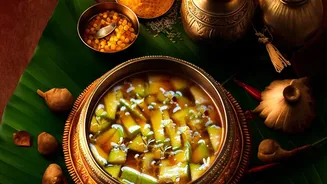
After enjoying the sweet red flesh of a watermelon, the thick white rind is usually all that’s left. In Gujarati cuisine, this part is not wasted but turned into a delightful shaak, or sabzi. The tough green skin is peeled off, and the white rind is cubed and cooked with spices like cumin, turmeric, and hing (asafoetida). Often pressure-cooked to soften, it absorbs flavours beautifully, creating a tender, subtly sweet curry that’s both resourceful and refreshing.
Banana Stem Stir-Fry (Vazhaithandu Poriyal)
The fibrous core of a banana plant's trunk is an ingredient celebrated in South Indian cooking for its health benefits and unique texture. Preparing it involves peeling away the tough outer layers to reveal the tender, crisp inner stem. This is then finely chopped and often made into a 'poriyal'—a simple stir-fry with mustard seeds, urad dal, curry leaves, and fresh coconut. The result is a crunchy, light, and nutritious dish that makes brilliant use of a part of the plant that might otherwise be overlooked.
Jackfruit Seed Curry (Kathal Beej ki Sabji)
When you cut open a jackfruit, the large, starchy seeds inside are a bonus ingredient. Instead of being thrown out, these seeds can be boiled, peeled, and cooked into a delicious curry. They have a texture similar to potatoes or chestnuts and a mild, nutty flavour. A popular preparation is a Konkani-style curry called 'bikand gashi', where the boiled seeds are simmered in a fragrant coconut and spice paste. It’s a creamy, hearty dish that showcases the versatility of the entire fruit.
Crispy Potato Peels
This is perhaps the simplest and most satisfying way to use up kitchen scraps. Instead of tossing potato peels, you can turn them into a crunchy snack. After scrubbing the potatoes well, the peels are tossed with a bit of oil and your favorite seasonings—salt, pepper, or even chaat masala. Spread them on a baking sheet and roast in a hot oven until they are golden and crisp. The result is a healthier, homemade alternative to packaged chips, made from something you were about to throw away.
Pumpkin Skin Chutney
The skin of a pumpkin, especially the yellow or orange varieties, is often considered too tough to eat. But in Andhra Pradesh, it's transformed into a flavourful chutney. The peels are stir-fried with onions and chillies until they become tender. This mixture is then blended with tamarind for tang, jaggery for a hint of sweetness, and salt. It’s a perfect example of how even the toughest exteriors can be coaxed into a delicious and nutrient-rich accompaniment for a meal.