

The Great Urban Exhaustion
A difficult week at work, the constant digital chatter, and the sheer exhaustion of navigating a bustling metropolis are creating a widespread phenomenon: urban burnout. For a growing number of professionals in cities like Hyderabad, Visakhapatnam, and Bengaluru,
the need to disconnect is no longer a luxury but a necessity. This has given rise to a new form of travel, sometimes called 'rage booking' or 'coping travel', where spontaneous, short trips are planned as a direct response to overwhelming stress. According to mental health experts and travel planners, these trips are less about seeing sights and more about finding breathing room. There is a rising awareness that rest is a form of maintenance, and travel provides a much-needed break from daily routines and expectations. This shift is driving people away from conventional holidays and towards experiences that promise a genuine mental reset.
Araku's Unconventional Monsoon Appeal
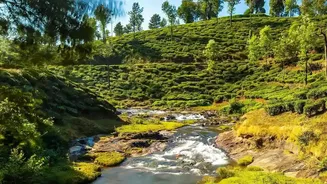
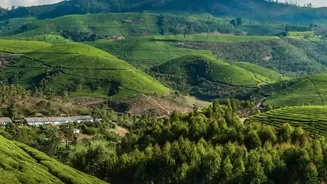
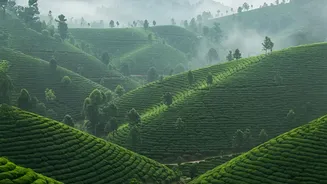
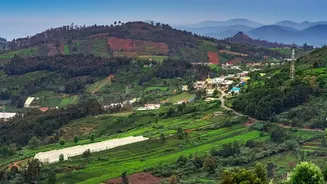
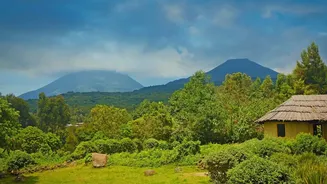
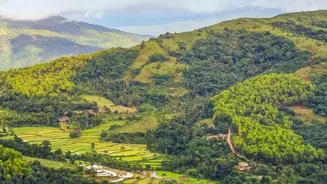
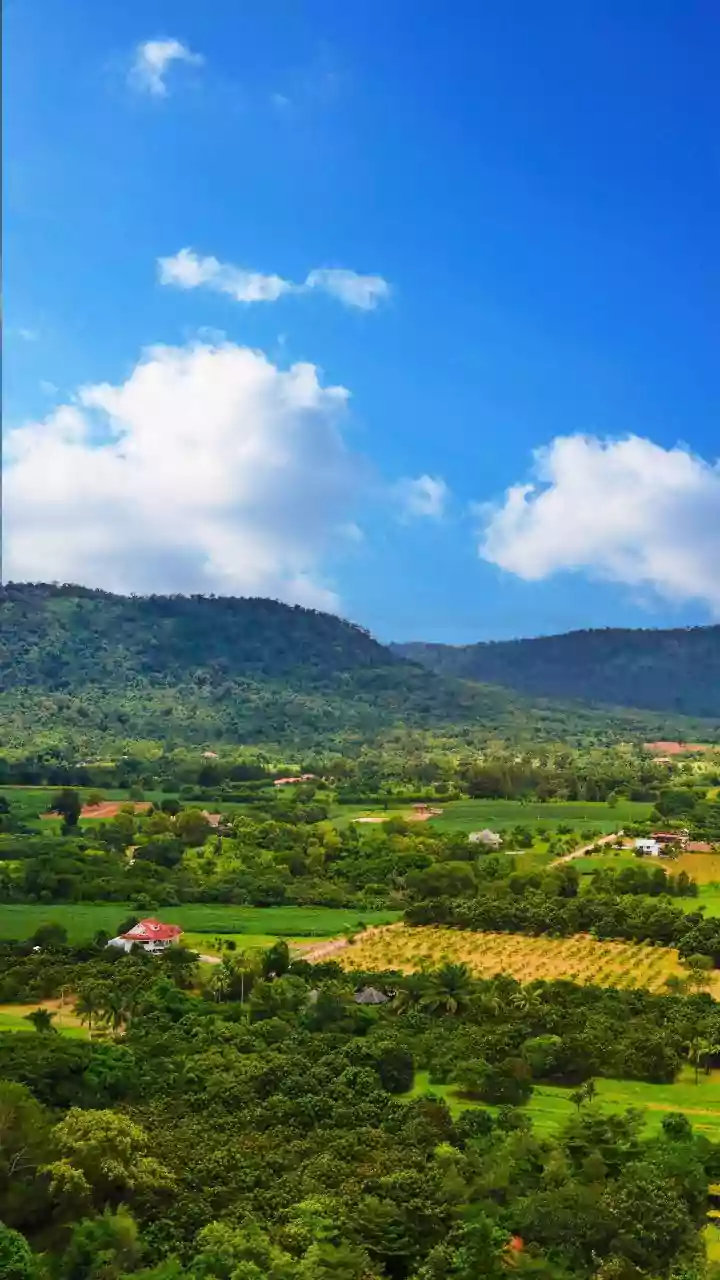
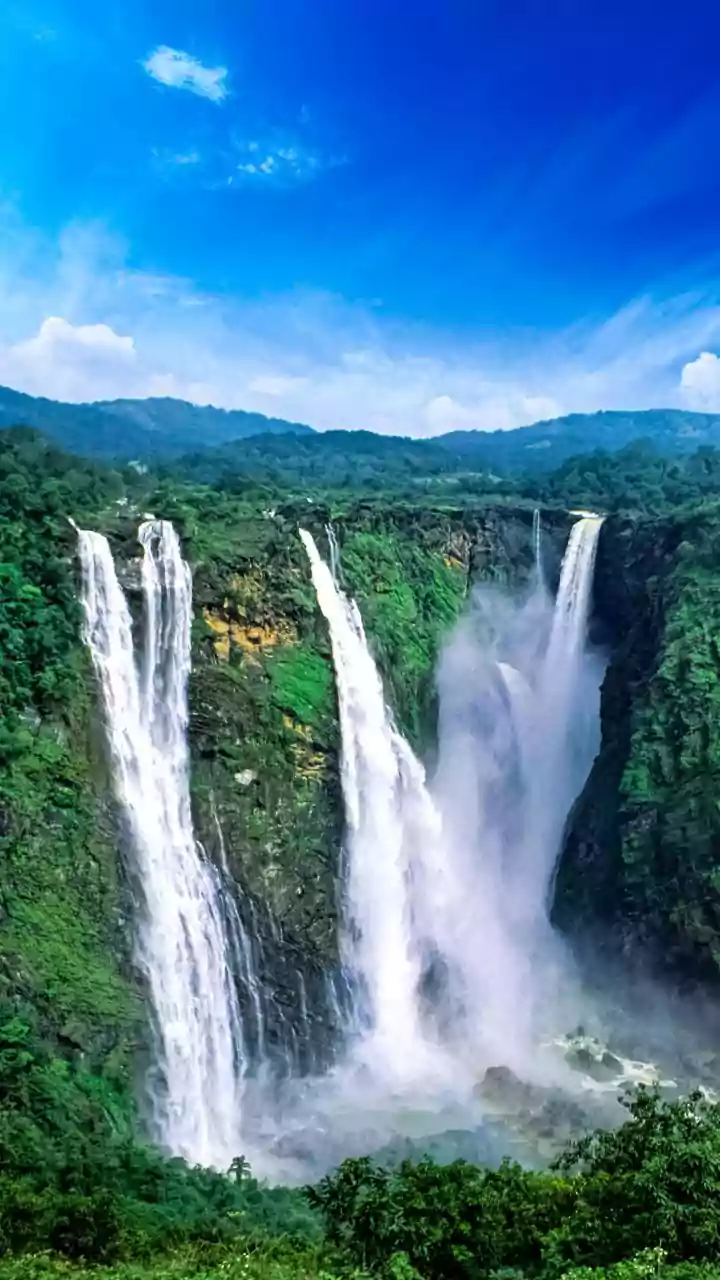
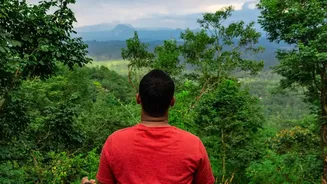
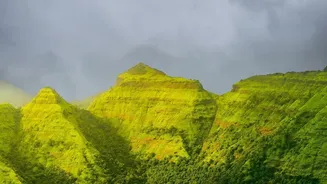
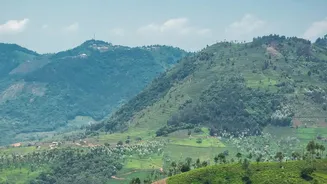
While Araku Valley has long been a popular winter destination, its monsoon season is now gaining significant attention. From July to September, the region transforms into a vibrant green paradise. The rains breathe life into the landscape, turning trickling streams into powerful cascades like Katiki and Chaparai waterfalls. The air becomes fresh and clean, and the valley’s famous coffee plantations are shrouded in a dramatic, rolling mist. For travellers seeking tranquility, the monsoon offers a unique sensory experience—the sound of constant rain, the intense greenery, and the atmospheric clouds create a peaceful ambiance that stands in stark contrast to the noise and heat of the city. This season also sees fewer crowds than the peak winter months, offering a more serene and personal experience for those willing to embrace the occasional downpour.
The Rise of the Homestay
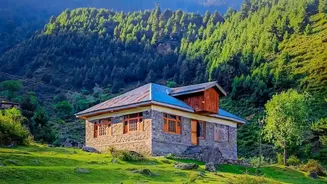
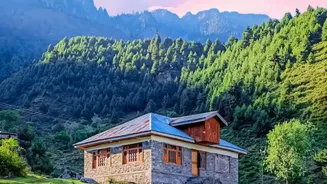
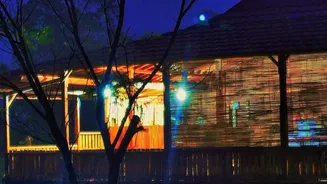
In this search for quiet and authenticity, homestays have emerged as the accommodation of choice. Unlike commercial hotels, homestays in and around Araku offer a slower, more intimate experience. They provide a unique opportunity to connect with the local culture, savour home-cooked food—including regional specialities like bamboo chicken—and experience the valley from a resident's perspective. For travellers looking to escape the impersonal nature of city life, the warmth and personal touch of a homestay are a significant part of the appeal. These smaller establishments, ranging from budget-friendly rooms to charming cottages, allow guests to set their own pace, free from the structured itineraries of larger resorts. This aligns perfectly with the goal of a burnout-recovery trip: to find a space that feels like a genuine retreat, not just another transaction.
A Journey for Mental Wellness
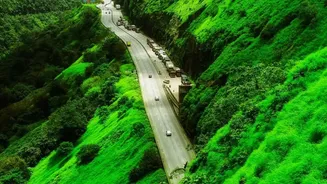
The trend of flocking to Araku during the monsoon is more than just a travel choice; it's a wellness strategy. The combination of nature, quiet, and a change of pace provides a powerful antidote to the pressures of modern work culture. Stepping away from an overstimulating urban environment can significantly reduce stress levels. The journey itself, particularly the scenic train ride from Visakhapatnam through dozens of tunnels and bridges, is often cited as part of the therapeutic experience. Activities in Araku are simple and restorative: walking through coffee plantations, listening to the roar of a waterfall, or simply enjoying a cup of fresh Araku coffee on a veranda while it rains. This form of 'radical rest'—travel that allows for empty space rather than filling it—is becoming a primary coping mechanism for many, turning a weekend getaway into a vital tool for mental clarity and recovery.