
What Exactly Is Batik?
At its heart, Batik is an intricate method of wax-resist dyeing applied to whole cloth. Originating centuries ago, with its most sophisticated form developed in Java, Indonesia, this technique is a masterful play of patience and precision. Artisans use
a pen-like tool called a 'canting' to draw or a copper stamp called a 'cap' to apply molten wax to fabric, typically cotton or silk. The fabric is then dyed, and the wax-covered areas resist the colour. This process can be repeated multiple times to create complex, multi-layered designs, resulting in a textile where every dot and line tells a story. This craftsmanship earned Indonesian Batik a place on UNESCO's Intangible Cultural Heritage of Humanity list, cementing its global significance.
A Story in Every Thread
One of the primary reasons designers are drawn to Batik is its inherent storytelling capacity. Historically, certain patterns were reserved for Javanese royalty, indicating status and carrying deep symbolic meaning. For instance, the 'Kawung' pattern, with its intersecting circles, represents purity, while the 'Sido Mukti' signifies prosperity and is often used in wedding ceremonies. While many contemporary designs are created for modern tastes, this rich history infuses each piece with a sense of soul and cultural depth that mass-produced fabrics cannot replicate. Using a Batik cushion or throw is not just a style choice; it is an invitation to connect with a timeless tradition.
The Allure of Perfect Imperfection
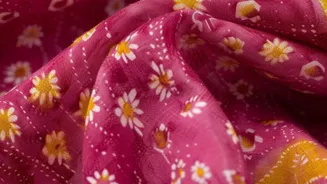
The handmade nature of traditional Batik means that no two pieces are ever truly identical. Variations in the wax application or the dyeing process create subtle differences and unique characteristics. Sometimes, the wax cracks slightly during handling, allowing fine lines of dye to seep through, an effect celebrated for its delicate, web-like appearance. In an age of digital uniformity, this perfect imperfection is a luxury. It provides a visual and textural richness that brings warmth and personality to a room. Designers leverage this quality to add character, making a space feel curated and deeply personal rather than simply decorated.
Versatility in Pattern and Palette
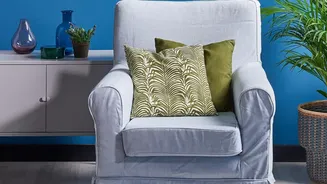
While steeped in tradition, Batik is incredibly versatile. Its patterns range from intricate florals and mythological creatures to bold, repeating geometrics that feel surprisingly modern. This allows designers to use it across a wide spectrum of interior styles. A large-scale, graphic Batik pattern on an armchair can serve as a stunning focal point in a minimalist living room, while smaller, more delicate patterns on cushions can add a layer of sophisticated detail to a bohemian or traditional space. The colour palettes are equally varied, from classic deep indigos and earthy browns to vibrant hues and even soft pastels, making it easy to integrate into almost any scheme.
How to Style Statement Batik
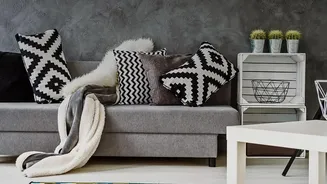
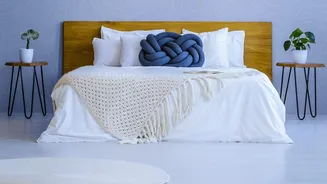
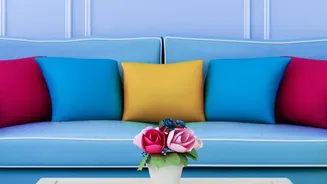
Incorporating Batik into your home is about creating balance. For a bold statement, consider upholstering a single piece of furniture—like an ottoman, headboard, or a pair of dining chairs—in a vibrant Batik fabric. This instantly creates a conversation piece. If you prefer a more subtle approach, start with smaller soft furnishings. A few throw pillows on a neutral sofa, a runner across a dining table, or a lightweight throw draped over a bed can introduce the pattern without overwhelming the space. Designers often pair Batik with natural textures like rattan, linen, and wood to enhance its organic, handmade quality and create a cohesive, harmonious feel.