








Why the Monsoon is a Lifeline
India's economy and food security are deeply intertwined with the fate of the annual southwest monsoon. The four-month season delivers about 70% of the country's annual rainfall, and its performance is critical for the Kharif or summer sowing season.
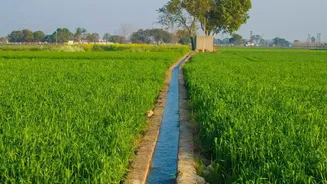
Nearly half of India's farmland lacks irrigation, making these rains essential for the cultivation of staple crops like rice, pulses, and oilseeds. A strong monsoon translates to bountiful harvests, stable food supplies, and healthy rural incomes. Conversely, a weak or erratic monsoon can disrupt this entire cycle, leading to lower production, tighter supplies, and an inevitable spike in prices that is felt in kitchens across the nation.
How Are This Year’s Rains Faring?
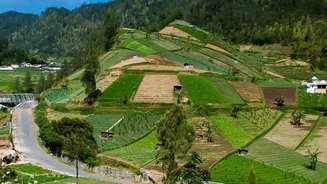
As of mid-August 2026, the picture is worrying. Despite some showers, the all-India rainfall deficit stood at 12% as of August 13. More concerning than the national average is the uneven distribution. Several key agricultural states are facing significant shortfalls. For instance, rainfall in Bihar is down 39%, while East Uttar Pradesh and Punjab are facing deficits of 31% each. This patchiness is critical because a few days of heavy rain cannot compensate for prolonged dry spells that affect soil moisture during crucial growth stages for crops. The sowing of Kharif crops has already been impacted, with the total area covered trailing about 2% behind last year's figures as of August 14.
Which Food Items Are Most at Risk?
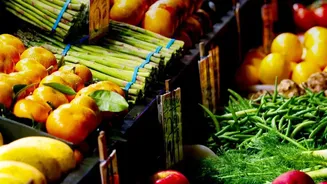
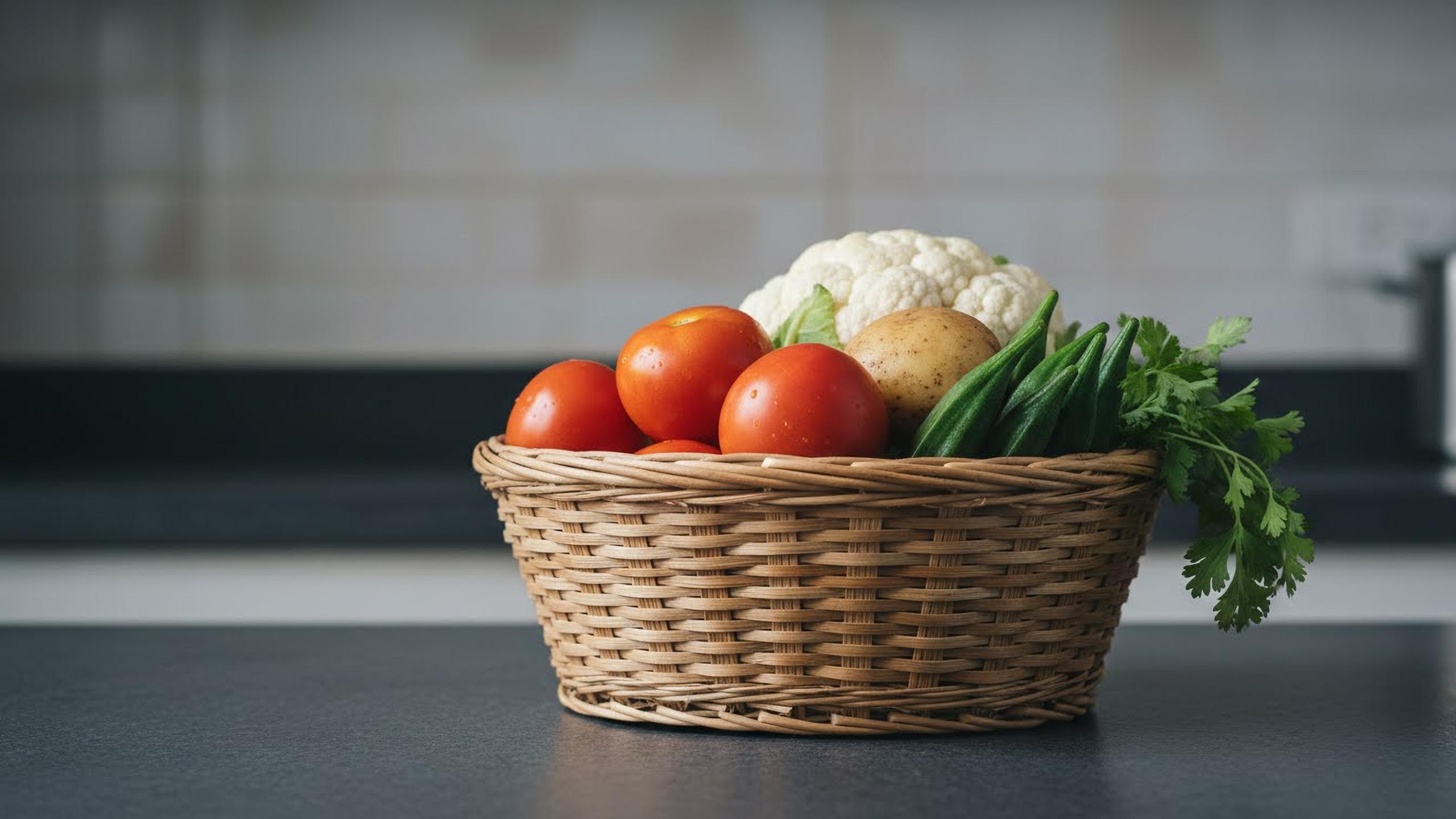
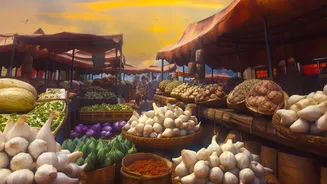
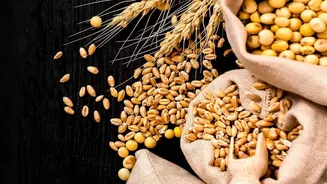
Not all food items are affected equally. The most vulnerable are rain-fed crops. According to data from the India Meteorological Department (IMD), a significant number of districts that are major producers of rice, soybeans, and tur (pigeon pea) are currently experiencing rainfall deficits. This has already started to show in retail markets. While prices for tomatoes and potatoes have seen some moderation, other kitchen essentials are becoming more expensive. In July, the inflation for ginger, garlic, and onions rose sharply. Prices for coriander also spiked in some markets due to supply disruptions caused by heavy, unseasonal rains in growing regions. Pulses and some rice varieties are also under watch, as their production is highly dependent on the monsoon's performance.
The Ripple Effect on Your Bills
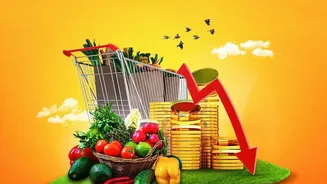
The connection is simple: lower farm output leads to reduced supply in the mandis, and this scarcity drives up prices. India's retail inflation, a measure of price changes for consumers, accelerated to 4.45% in July, driven largely by rising food costs. Food inflation itself climbed to 5.52% in July, up from 5.32% in June. This trend is hitting rural households particularly hard, where food inflation was recorded at 5.79%. Economists note that while overall inflation is still within the Reserve Bank of India's tolerance band of 2% to 6%, the upward pressure from food prices is a primary concern.
Can the Government Control Prices?
The government has several tools to manage food inflation and prevent extreme price shocks. One of the most important is the use of buffer stocks. India maintains substantial reserves of key grains like wheat and rice, which can be released into the market to cool prices. Proactive supply management, including strategic decisions on imports and exports, also plays a crucial role. For example, policies allowing for the duty-free import of pulses like tur have been used to stabilize domestic prices. Furthermore, authorities are coordinating at the district level with farmers to minimize crop losses and encourage the use of less water-intensive crops where possible.
What Experts Are Saying
Analysts agree that food prices will be a key factor for inflation in the coming months. The ongoing El Niño weather pattern, which is associated with weaker monsoons in India, adds a layer of uncertainty. While many economists believe inflation will remain below the RBI's upper tolerance limit of 6%, they are closely watching rainfall patterns in August and September. The Reserve Bank of India itself has flagged the uneven monsoon as a risk to agricultural output and rural demand. For now, the central bank is expected to maintain its current policy stance, but it remains watchful of whether price pressures become more widespread. The consensus is that while government buffers can soften the blow, consumers should brace for some continued pressure on food bills, particularly for pulses and certain vegetables.