





The Great Soaking Debate
For generations, cooks from India to Japan have practiced the ritual of rinsing and soaking rice before it ever sees a flame. The conventional wisdom passed down is that this step is crucial for achieving a superior texture and taste. This advice is fundamentally
sound, but it often gets flattened into a one-size-fits-all rule. In reality, the ideal soaking time isn't universal; it's a decision that depends entirely on the type of rice you're cooking. Soaking does more than just hydrate; it kick-starts a series of changes within the grain that affect everything from cooking time to nutritional value. The key is understanding what those changes are and matching the method to the grain.
Why We Soak Rice in the First Place
Before we dive into timing, let's clarify why soaking is recommended at all. The primary reason is to ensure even cooking. Soaking allows moisture to penetrate the hard outer shell and reach the starchy centre of the grain before heat is applied. This pre-hydration helps the rice cook more evenly, preventing the dreaded outcome of a pot of rice that’s simultaneously mushy on the outside and crunchy in the middle. Beyond texture, soaking offers other benefits. It can reduce overall cooking time by about 20%, which is particularly important for aromatic varieties. It also helps to reduce levels of phytic acid, an anti-nutrient that can hinder the body's ability to absorb minerals like iron and zinc. Furthermore, studies have shown that rinsing and then soaking rice (and discarding the soaking water) can significantly reduce its arsenic content, a naturally occurring element rice absorbs from the soil.
The Case for a Brief Soak
This is where the headline's advice comes into play. For long-grain aromatic rice, particularly Basmati and Jasmine, a brief soak is the secret to perfection. These delicate grains are prized for their long, separate, and fluffy structure. Soaking them for just 20 to 30 minutes is enough to hydrate the grains properly. This short soak allows them to absorb just enough water to cook evenly and elongate beautifully without becoming waterlogged. Over-soaking these varieties can cause the grains to break during cooking, leading to a pasty, sticky texture instead of the desired pilaf-style fluffiness. Furthermore, the characteristic aroma of Basmati and Jasmine comes from a volatile compound that can diminish with prolonged cooking. A shorter soak leads to a shorter cooking time, which in turn helps preserve that wonderful fragrance.
When a Longer Soak Is Necessary
On the other end of the spectrum are the grains that genuinely benefit from a much longer soak. Whole grains like brown rice and wild rice have their tough outer bran layer intact. This layer acts as a barrier, making it harder for water to penetrate the grain. To soften this bran and ensure the rice cooks evenly without taking an hour or more, a long soak of at least four to eight hours—or even overnight in the refrigerator—is highly beneficial. This extended time not only softens the grain for a better texture but also does a more effective job of breaking down the higher levels of phytic acid found in the bran, making the rice more digestible and its nutrients more available. Parboiled rice, also known as sella basmati, is another candidate for a longer soak of at least an hour to help it achieve its maximum length when cooked.
Your Perfect Rice Soaking Guide
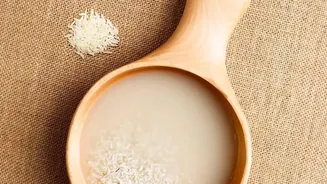
Feeling ready to put this into practice? Here’s a simple cheat sheet: 1. Always Rinse First: Regardless of the type, always start by rinsing your rice in a bowl of cold water, swirling with your hands. Drain and repeat until the water runs mostly clear. This removes excess surface starch, which is the main culprit behind gummy rice. 2. Time Your Soak: For White Basmati and Jasmine Rice, soak for 20–30 minutes. For standard long-grain or medium-grain white rice, 30 minutes to an hour is sufficient. * For Brown Rice and other whole grains, aim for at least 4 hours, or overnight in the fridge for the best results. 3. Drain and Cook: After soaking, always discard the soaking water. This gets rid of the leached-out starch and arsenic. When you cook, you’ll need slightly less water than you would for unsoaked rice—a good rule of thumb is to reduce the water by about two tablespoons per cup of rice.