





The Art and Soul of Batik
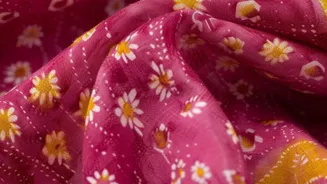
Before it becomes a centrepiece in your room, it is a canvas of history. Batik is an ancient art form, originating in Indonesia, particularly on the island of Java. The name itself comes from a Javanese word meaning “to dot” or “to write,” which hints
at the meticulous process. Artisans use wax to draw or stamp intricate patterns onto fabric, which then resists dye, creating stunning, multi-layered designs. In 2009, UNESCO recognized Indonesian Batik as a Masterpiece of Oral and Intangible Heritage of Humanity, cementing its status as a significant cultural treasure. These are not just patterns; they are stories. Some motifs were once reserved for royalty, symbolising power and strength, while others represent harmony, nature, or prosperity.
Why a Tapestry Works as a Headboard
Using a large textile behind the bed is a classic interior design move for several reasons. It introduces colour, pattern, and texture on a grand scale, instantly drawing the eye. A Batik tapestry, with its organic lines and rich hues, softens the hard angles of a room, creating a more inviting and tranquil atmosphere perfect for a bedroom. It serves the same visual function as a traditional headboard—anchoring the bed and defining the sleeping area—but with more personality and warmth. This approach allows you to make a bold statement that is deeply personal and reflects an appreciation for global craftsmanship.
Choosing Your Perfect Batik
Selecting the right tapestry is key. First, consider the size. A good rule of thumb is to choose a tapestry that is about two-thirds to three-quarters the width of your bed. This ensures it looks balanced and intentional, rather than too small or overwhelmingly large. For a queen bed, a tapestry around 120-150 cm wide is ideal. Next, think about colour. You can either pick a tapestry that complements your existing colour scheme or use it as a launching point for a new one, pulling tones from the fabric for your pillows, throws, and other accessories. Finally, consider the pattern's symbolism. A 'Parang' motif with its strong diagonal lines can bring a sense of resilience, while the intersecting circles of a 'Kawung' pattern can represent harmony and balance.
Hanging Your Tapestry Effortlessly
The beauty of this design choice lies in its simplicity. You don’t need to be a DIY expert to hang your tapestry. For a renter-friendly, damage-free option, self-adhesive strips or hooks are an excellent choice. Simply apply them to the back of the tapestry and press firmly onto a clean wall. This method is perfect for lightweight cotton tapestries. For a more traditional and sturdy display, a simple curtain rod is an elegant solution. Many tapestries come with a pre-sewn pocket on the back; if not, it’s easy to create one. Just slide the rod through the pocket and mount it on the wall. This makes the tapestry stand slightly away from the wall, giving it a professional, gallery-like finish.
Styling the Rest of Your Room
Once your tapestry is up, it becomes the star of the show. To create a cohesive look, let the tapestry guide your other decor choices. Pull two or three of the main colours from the Batik pattern and use them in smaller doses around the room—think throw pillows, a vase, or a rug. If your tapestry is highly detailed and vibrant, keep the surrounding elements relatively simple. Plain bedding in a solid colour drawn from the tapestry will complement it without competing. The goal is to make the tapestry feel integrated, turning your entire bedroom into a harmonious and stylish sanctuary.