





The Trend You Can Almost Taste
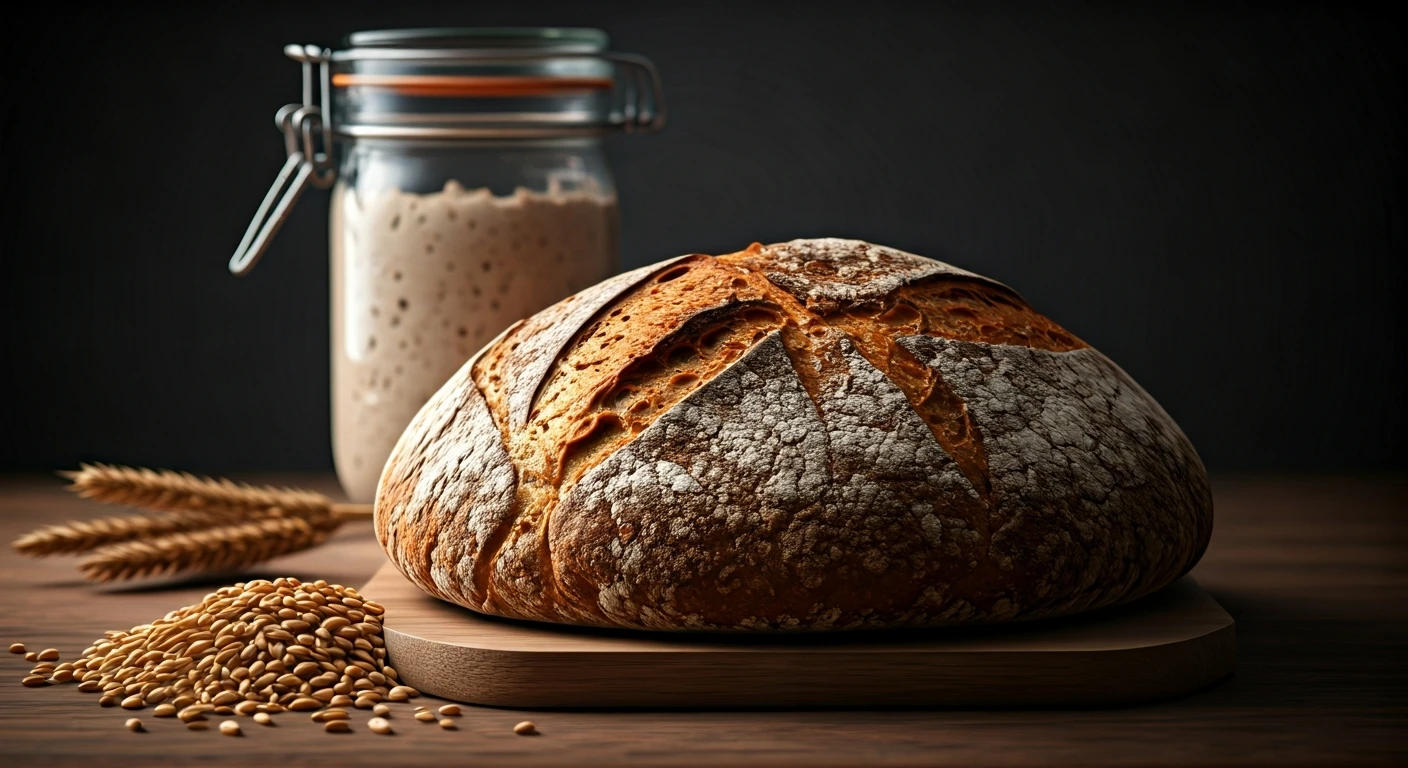
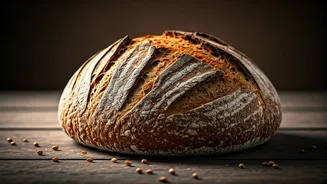
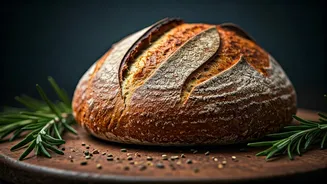
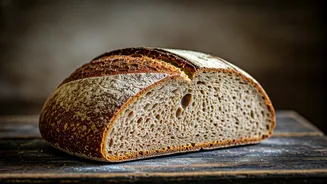
It’s a visual feast that has become a staple of aesthetically pleasing social media. A rustic, deeply browned sourdough loaf sits on a wooden board. The crust is blistered and etched with an intricate pattern. A knife slices through, and the camera zooms
in on a tender, open-textured interior. This isn't just any bread; it's the star of countless Instagram Reels and TikTok videos, and its key ingredient is often emmer, an ancient variety of wheat that’s capturing the imagination of home bakers and foodies across India. The trend taps into a desire for food that is not only beautiful but also tells a story—a story that begins thousands of years ago.
So, What Is Emmer Wheat?
Often called 'farro' in Italy, emmer is a type of 'covered' wheat, meaning its kernel is tightly encased in a hull that must be removed before milling. It's one of humanity's oldest cultivated crops, originating in the Fertile Crescent and serving as a food staple for ancient Egyptians and Romans. Known in India as *khapli* wheat, it has been grown for centuries in states like Maharashtra and Karnataka, valued for its resilience in harsh conditions. Unlike modern, highly hybridised wheat, which has been bred for high yields and gluten strength, emmer retains many of its original characteristics. This makes it a fascinating, if sometimes challenging, ingredient for bakers looking to connect with the past.
The Baker's Perspective
Baking with emmer is a different experience from using standard all-purpose or bread flour. Emmer has a lower gluten content, and the gluten it does have is more delicate. This means the dough can be stickier and doesn't develop the same elastic strength as modern wheat doughs. Over-kneading is a real risk. However, these challenges are part of the appeal for artisanal bakers. The reward is a loaf with a distinctively nutty, slightly sweet flavour and a tender, moist crumb that’s hard to replicate. The lower gluten also results in a denser, heartier loaf, which aligns perfectly with the rustic, wholesome aesthetic that dominates social media. It's a bread that feels honest and substantial.
More Than Just a Pretty Loaf
The emmer trend isn’t just about aesthetics and flavour; it’s also rooted in wellness. Ancient grains like emmer are often celebrated for their nutritional profiles. Emmer is typically higher in protein, fibre, magnesium, and other essential minerals compared to common whole wheat. Many people also report that they find it easier to digest. While it is not gluten-free and therefore unsuitable for individuals with celiac disease, some people with non-celiac gluten sensitivity claim they can tolerate emmer better than modern wheat, possibly due to the different structure of its gluten proteins. This perceived health halo makes it an attractive choice for consumers who are increasingly conscious of what they eat.
A Search for Authenticity
Ultimately, the rise of emmer sourdough on our feeds is about more than just bread. It’s a symptom of a larger cultural shift. In a world of fast food and processed ingredients, there's a growing hunger for authenticity, for craftsmanship, and for a tangible connection to our food's origins. The slow, deliberate process of making sourdough—feeding a starter, patiently waiting for the dough to rise—combined with an ancient, heritage grain like emmer, satisfies that need. It’s a small act of rebellion against the impersonal nature of modern food production. Every loaf tells a story of patience, history, and the simple magic of flour, water, and salt.