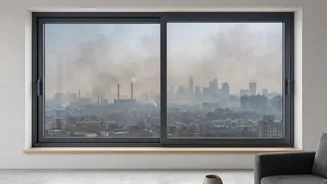




When thick smog blankets the city, our first instinct is to shut the windows and doors, creating a safe haven indoors. But is your home truly sealed off from the dangers outside? The answer is more complex than you might think.
Why Closing Windows Is a Good First Step
When outdoor air quality
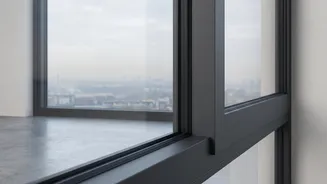
plummets, keeping windows and doors shut is a crucial first line of defence. This simple action helps reduce the amount of harmful particulate matter, especially PM2.5, that enters your home. These microscopic particles, common in smog from traffic, industry, and crop burning, are small enough to lodge deep in your lungs and even enter your bloodstream. By sealing your home, you immediately lower your exposure to these dangerous outdoor pollutants, which is especially important for children, the elderly, and those with respiratory conditions.
The Sobering Reality: Your Home Is Not Airtight
Unfortunately, closing your windows doesn't create an impenetrable fortress. Most homes are not perfectly airtight. Fine particles like PM2.5 are tiny enough to infiltrate through small, invisible cracks and gaps around window frames, doors, and ventilation systems. Studies have shown that even with everything closed, a significant percentage of indoor PM2.5 can still originate from outside, with some research indicating outdoor sources can account for over 50% of the pollutants inside. The effectiveness of closed windows varies greatly depending on the age and construction of your home, but the key takeaway is that some outdoor pollution will always find its way in.
The Hidden Danger: When the Enemy Is Inside
Here's the critical trade-off: while you're trying to keep outdoor pollution out, you might be trapping indoor pollution in. In a sealed room, the air you breathe out—carbon dioxide (CO2)—accumulates. High CO2 levels can lead to drowsiness, headaches, and reduced concentration. Furthermore, many everyday household items, from cleaning products and furniture to paints and air fresheners, release Volatile Organic Compounds (VOCs). Without ventilation, these indoor-generated pollutants build up, creating a different kind of unhealthy air that sealed windows won't solve.
Air Purifiers: The Most Effective Solution
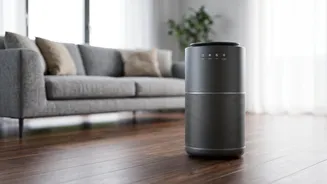
An air purifier with a High-Efficiency Particulate Air (HEPA) filter is your most powerful tool in the fight for clean indoor air. These devices are designed to capture tiny airborne particles, including PM2.5. Studies show that running a correctly sized HEPA purifier can reduce indoor PM2.5 levels by over 60% in just a few hours. When choosing one, look at its Clean Air Delivery Rate (CADR) to ensure it's powerful enough for your room size. For dealing with VOCs and odours, models with an activated carbon filter offer an added layer of protection. While purifiers are a significant investment, they are the most effective way to actively clean the air you breathe indoors.
Smart Strategies to Bolster Your Defences
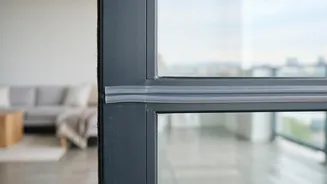
Beyond air purifiers, you can take other practical steps. First, minimise activities that create indoor pollution: avoid frying foods, burning incense or candles, and using aerosol sprays. Second, try to 'tighten the envelope' of your home by using weather stripping or caulk to seal visible gaps around windows and doors. Third, ventilate strategically. If there's a brief period when outdoor air quality improves, open windows for a short time to flush out accumulated CO2 and VOCs, then seal everything up again.
A Note on Houseplants
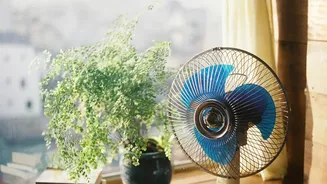
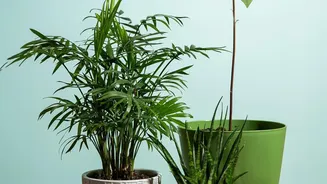
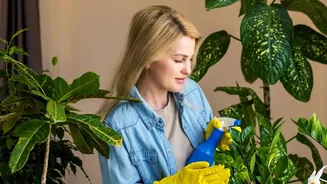
Many believe houseplants are natural air purifiers. While plants do have a positive psychological effect and can absorb some chemicals in lab conditions, the reality is more modest. To significantly reduce pollutants like PM2.5 in a real world room , you would need an impractically large number of plants—potentially hundreds . While some studies show certain species like spider plants or English ivy can trap particles , they are not a substitute for proper ventilation or mechanical purification during severe smog . Enjoy your plants for their beauty and stress reducing qualities , but don't rely on them to clean the air .