



The Comfort of the Classics
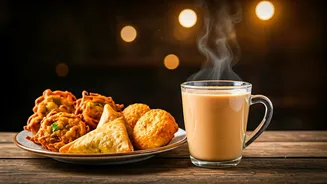
There’s a reason why the sizzle of pakoras in hot oil is the unofficial soundtrack of the Indian monsoon. Across the country, the arrival of rain triggers a near-instinctive desire for a specific roster of comfort foods. The classic pairing of assorted
bhajiyas—onion, potato, paneer, and spinach—with a steaming cup of masala chai is a ritual repeated in countless homes and roadside stalls. These are not just snacks; they are carriers of memory. Alongside pakoras, you’ll find street-side vendors selling roasted corn on the cob (bhutta), seasoned with lime, salt, and chilli powder. Other timeless favourites include golden, flaky samosas filled with spiced potatoes and peas; pillowy bread pakoras; and hearty pav bhaji, a buttery vegetable mash served with soft buns that originated as a quick meal for Mumbai's mill workers. This collective craving is a powerful cultural touchstone, connecting millions through shared taste and experience.
From the Street to the Main Course
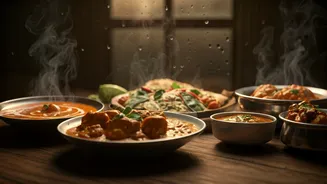
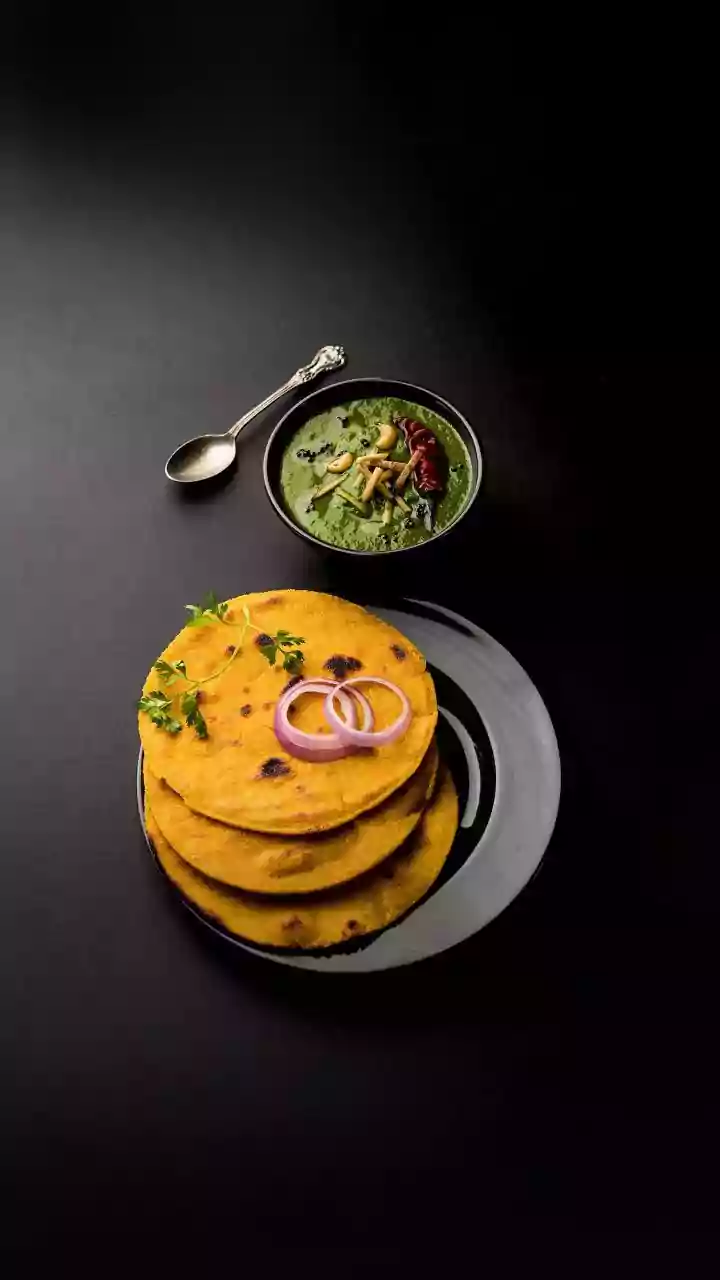
This year, the nostalgia isn't just staying on the streets; it's being plated in restaurants ranging from casual cafes to fine-dining establishments. Eateries across India are launching dedicated monsoon menus that celebrate these very classics, often with an inventive twist. In Mumbai, one cafe is offering a 'Chai Bhajia Platter' and a nostalgic 'Samosa & Jalebi Combo', while another is running a Mumbai Street Food Festival featuring Vada Pav and Samosa Chaat with a view of the sea. Chefs are embracing what they call a "natural, nostalgic craving." This trend sees humble dishes elevated. Khichdi, once a simple home-cooked meal, is now appearing on premium menus with ingredients like millets and quinoa. Chaat is being reimagined with global ingredients, like a Caesar salad in a dosa crepe or litti chokha presented as a vibrant chaat. Even pakoras are getting an upgrade, with versions featuring banana, fish, and even fried paan leaves. It's a blend of nostalgia and innovation, designed to let diners savour the season wholeheartedly.
The Science of a Rainy Day Craving
This pull towards fried, warm, and spicy food is more than just a habit; it’s rooted in science. Experts explain that the damp, gloomy weather can cause a dip in serotonin, our 'happy hormone'. To compensate, our body craves carbohydrates and comforting foods that provide a quick emotional boost. The high humidity also enhances our sense of smell, making the aroma of freshly fried snacks seem richer and more irresistible. Furthermore, the crisp, crunchy texture of a pakora or samosa provides a satisfying sensory contrast to the damp, sluggish feeling of a humid day. Cooler temperatures also increase our appetite as the body demands more energy to stay warm. This combination of psychological and physiological factors makes hot, flavourful foods feel deeply comforting and satisfying during the monsoon.
A Plateful of Memories
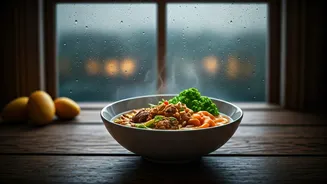
Ultimately, the power of these monsoon menus lies in their ability to serve a taste of childhood. For many, these dishes are deeply entwined with memories of gathering with family, watching the rain from a window, and sharing a platter of hot snacks. Chefs across the country speak of their own monsoon food memories, from hot rasam and rice in the South to misal pav shared with friends under an umbrella in Maharashtra. Restaurants are tapping into this potent emotional connection. One cafe even encourages guests to fold and float paper boats, turning the meal into a multi-sensory experience that goes beyond just the food. By putting these beloved dishes on the menu, establishments are offering more than just a meal; they are providing an opportunity for diners to reconnect with their past and share in a collective culinary tradition that feels like coming home.