


Fortify the Paws
A pet's paws are their first point of contact with wet, muddy, and often contaminated streets. The constant dampness during monsoon can lead to painful fungal and bacterial infections between the toes, a condition vets see frequently. Before you even
think about stepping out, inspect your pet's paws. Trimming the fur between the paw pads helps reduce the amount of water and mud that gets trapped, allowing them to dry faster. Applying a protective paw balm can create a barrier against moisture and irritants. This simple pre-walk routine is one of the most effective habits for preventing the majority of monsoon-related skin diseases that start from the ground up.
Gear Up Against Dampness
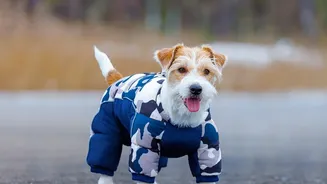
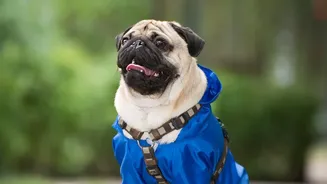
While a dog in a raincoat might seem like an indulgence, it’s a practical first line of defence. A good quality, well-fitting waterproof jacket keeps your pet's core body dry, preventing chills and, more importantly, reducing the dampness that lingers in their coat. High humidity means a wet coat can take hours to dry, creating a warm, moist environment perfect for skin infections like hot spots or acute moist dermatitis. Before your walk, ensure the raincoat is breathable and provides good coverage, especially for the underbelly which gets splashed with dirty street water. A dry pet is a healthy pet, and the effort starts with the right gear.
A Pre-emptive Strike on Pests
The monsoon is peak season for ticks, fleas, and mosquitoes. Damp, humid conditions are ideal breeding grounds for these parasites, which do more than just cause discomfort—they transmit serious and sometimes life-threatening diseases like tick fever and heartworm. Your pre-walk checklist must include ensuring your pet’s parasite prevention is up to date. Whether you use a spot-on treatment, a special collar, or oral medication, confirm its effectiveness with your vet before the season begins. Checking for ticks daily, especially after walks, is non-negotiable.
Hydrate to Avoid Contamination
A thirsty dog is more likely to drink from contaminated puddles on the street. These puddles are a cocktail of germs, containing everything from dirt and chemical runoff to dangerous bacteria like Leptospira and protozoa like Giardia. These can cause severe gastrointestinal issues, and leptospirosis can be fatal. A simple yet effective preventative step is to offer your pet fresh, clean drinking water right before you leave for a walk. A well-hydrated dog is less tempted to sample from risky water sources, protecting their digestive system from the unseen dangers lurking in stagnant water.
Managing Monsoon Anxiety
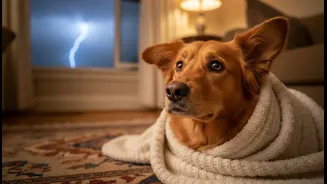
For many pets, the sound of thunder and the flashes of lightning are terrifying. This anxiety, or storm phobia, can begin long before the rain starts. If your pet shows signs of distress like panting, pacing, or hiding, forcing them into a walk can heighten their fear. Before venturing out, create a calm and secure environment. Close the curtains to block lightning, and play some calming music or turn on the television to muffle the sound of thunder. Creating a 'safe space' like a crate or a cozy corner with their favorite blanket can give them a sense of security. Sometimes, the best pre-walk preparation is recognizing when to skip the walk altogether and opt for indoor playtime instead.