







The Rise of Active Recovery
For years, the 'no pain, no gain' philosophy suggested that the only way to recover from a tough workout was to completely rest. However, fitness experts and athletes are increasingly embracing 'active recovery'. This involves performing low-intensity
exercise after a strenuous session. The goal is to keep blood flowing to your muscles, which can help clear out metabolic waste products that contribute to soreness. Unlike passive rest, which is complete inactivity, gentle movement can speed up your body's natural repair process, reduce stiffness, and help you feel ready for your next workout sooner. This shift in mindset prioritises sustainable performance and longevity over pushing through pain.
Why Swimming Works Wonders
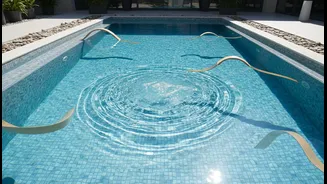
Swimming is often called the ideal active recovery exercise for several key reasons. Firstly, the buoyancy of water supports your body, taking the pressure off your joints and bones. This near-weightless environment allows for freer, less painful movement, making it perfect for tired muscles. Secondly, the water provides what is known as hydrostatic pressure. This gentle, consistent pressure on your body acts like a full-body compression garment, helping to increase circulation and reduce swelling and inflammation. This enhanced blood flow delivers more oxygen and nutrients to your muscles, accelerating healing and flushing out waste products like lactic acid. A light swim can leave you feeling refreshed rather than more fatigued.
The Power of a Proper Stretch
Stretching is a classic post-workout ritual, but its role in recovery is more nuanced than simply touching your toes. Gentle stretching helps to maintain and improve flexibility, which can be compromised when muscles are tight and sore after exercise. It can help relax the muscles and signal to your nervous system that it's time to wind down. While intense stretching on sore muscles should be avoided, performing light, static stretches (holding a position for 15-30 seconds) can help alleviate tension. It also promotes blood flow to the targeted muscles, aiding in the repair process. For many, a post-workout stretching routine also has mental benefits, offering a meditative moment to connect with your body after intense physical effort.
How to Build Your Recovery Routine
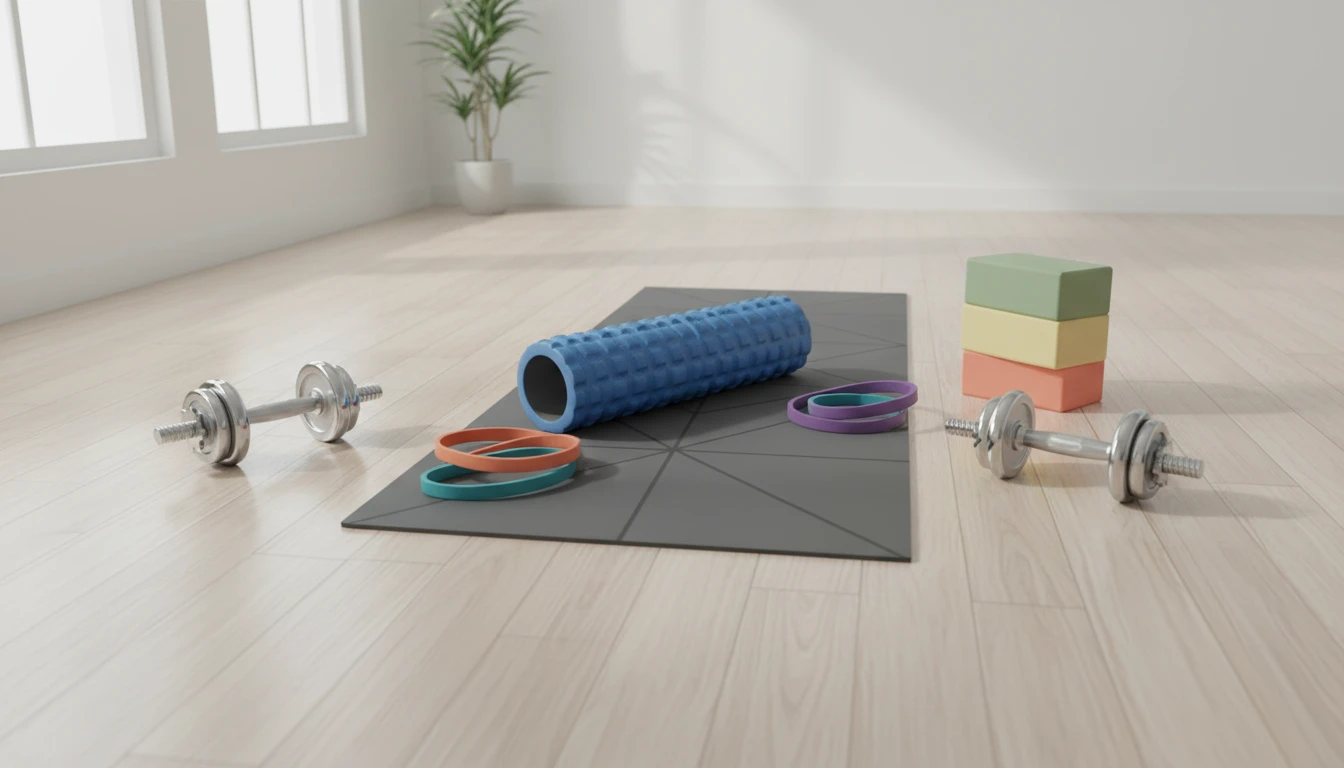
Incorporating swimming and stretching into your routine doesn't need to be complicated. On the day after a particularly tough workout, consider swapping your usual high-intensity session for a light recovery swim. Aim for 20 to 30 minutes of easy laps, focusing on smooth strokes rather than speed. You could also try water-based exercises like walking or gentle aerobics in the pool. For stretching, dedicate 10-15 minutes after every workout to a cool-down stretch. Focus on the main muscle groups you worked. On your active recovery days, you can engage in a longer, more restorative stretching session, perhaps incorporating foam rolling to gently massage sore tissues. The key is to keep the intensity low and the movements controlled.
Listen to Your Body First
While active recovery offers significant benefits, the most important rule is to listen to your body. Active recovery should feel restorative, not draining. If you're feeling exceptionally sore, exhausted, or in pain, complete rest might be what you truly need. There is no one-size-fits-all solution, and the ideal recovery method can vary depending on the intensity of your workout, your fitness level, and how you feel on a given day. Experiment with a gentle swim or a stretching session and pay attention to how your body responds. The ultimate goal of recovery is to help your body repair and come back stronger, so always choose the path that feels most supportive and beneficial for you.