


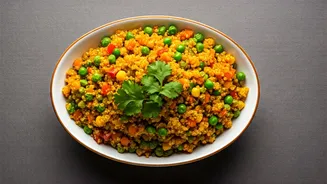


The Power of Pulses
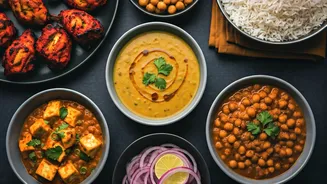
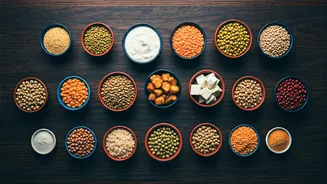
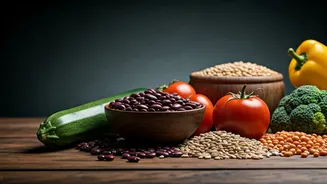
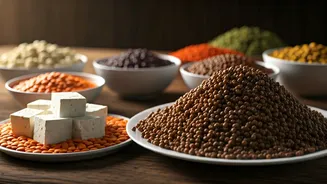
Dals and legumes are the backbone of Indian cuisine and a fantastic, affordable source of plant-based protein. Varieties like moong, masoor, toor, and urad dal are packed with protein, offering between 22 to 25 grams per 100g when raw. Chickpeas (chana)
and kidney beans (rajma) are also protein powerhouses. A simple bowl of dal paired with rice or roti creates a complete protein, providing all the essential amino acids your body needs. Meals like dal makhani, chana masala, and rajma chawal are not just comfort food; they are incredibly nutritious and filling.
Dairy's Delicious Contribution
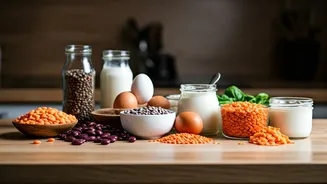
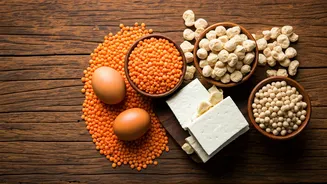
For vegetarians, dairy products are a go-to protein source. Paneer, or Indian cottage cheese, is a versatile favourite, delivering around 18 to 20 grams of protein per 100g serving. It’s an excellent addition to curries like palak paneer or can be grilled as a satisfying tikka. Yoghurt (curd) is another brilliant and cost-effective option, not only providing protein but also beneficial probiotics for gut health. A simple bowl of curd, a glass of milk, or a refreshing raita can easily boost the protein content of any meal.
Soya: The Versatile Protein King
Soya is one of the most protein-dense plant-based foods available. Soya chunks are particularly noteworthy, providing an impressive 52 grams of protein per 100g, making them the most budget-friendly protein source in India. They have a neutral flavour and a meaty texture, which means they absorb spices well and can be used in a variety of dishes like soya keema or added to curries and stir-fries. Tofu, made from soy, is another great alternative to paneer, especially for vegans, and works beautifully in scrambles (bhurji) or curries.
Grains and Millets Go Beyond Carbs
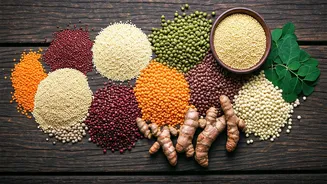
While we often think of grains for carbohydrates, many Indian staples offer a good amount of protein. Whole grains such as amaranth and bajra are protein-rich choices. Quinoa, though not traditionally Indian, has become popular and is a complete protein, meaning it contains all essential amino acids. Another innovative way to increase protein intake is by using protein-fortified atta (flour) for making rotis, which seamlessly enhances the nutritional value of your daily meals without changing your habits.
Nuts, Seeds, and Local Superfoods
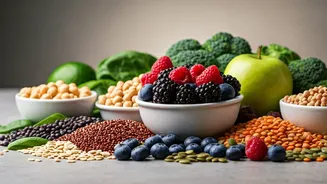
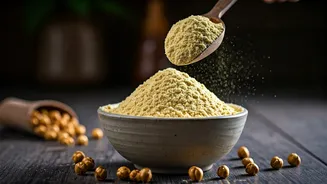
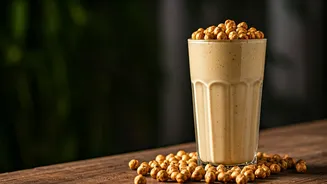
Don't underestimate the power of small additions. Nuts and seeds are packed with protein, healthy fats, and other essential nutrients. Peanuts are an affordable and widely available option, with about 26g of protein per 100g. Adding a handful of roasted peanuts, almonds, or seeds like pumpkin and chia to your salads, yoghurt, or meals can provide a significant protein boost. Another local superfood is sattu, a flour made from roasted Bengal gram, which is a protein-rich ingredient popular in states like Bihar and can be made into a nutritious drink or used in parathas.
Lean Meats and Eggs
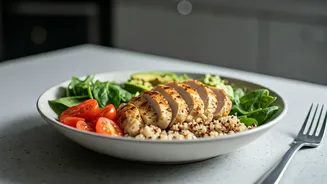
For non-vegetarians, eggs are a complete protein source and one of the most affordable and bioavailable options, with each egg providing about 6 grams of protein. They can be enjoyed boiled, scrambled, or in a flavourful egg curry. Lean meats like chicken breast are also an excellent source, offering a high amount of protein per serving, around 31 grams per 100g. Incorporating grilled chicken, chicken curry, or fish into your diet are easy ways to meet your protein requirements.