






The thought of exercising with stiff or sore joints can be intimidating. But what if movement could be a source of comfort, not pain? With the right approach, you can build strength and flexibility, making your body more resilient.
Why Low-Impact Is Your Best Friend
When joints are sensitive,
the goal is to minimise stress. Low-impact exercises get your heart rate up and strengthen your muscles without the jarring force of activities like running or jumping. These movements are gentle, fluid, and focus on supporting the joints by building the muscles around them. Staying active helps keep joints flexible, reduces stiffness, and can even help with weight management, which further reduces pressure on your knees, hips, and back.
Walking: The Foundational First Step
Walking is perhaps the most accessible joint-friendly exercise. It is a weight-bearing activity that strengthens bones and muscles with minimal stress. For beginners, the key is to start slow. Begin with 10-15 minute walks on flat surfaces like a track or a quiet neighbourhood street. As you get stronger, you can gradually increase your time or distance. Investing in a pair of supportive shoes with good cushioning is crucial to protect your joints from the ground up.
Water Workouts: Let Buoyancy Support You
Exercising in water is one of the most highly recommended activities for joint comfort. The buoyancy of water supports your body weight, which dramatically reduces the impact on your joints. This unique environment allows you to move more freely and with less pain than on land. Activities like swimming, water aerobics, or even just walking in a pool can improve circulation, reduce stiffness, and build strength. The water provides gentle, consistent resistance, toning your muscles as you move.
Cycling: Smooth and Controlled Motion
Whether on a stationary bike or outdoors, cycling is an excellent low-impact option that builds leg strength and cardiovascular fitness. The smooth, pedalling motion is easy on the knees and ankles. Proper setup is important: adjust the seat height so your knee has a slight bend at the bottom of the pedal stroke. This prevents strain and ensures the large muscles of your legs are doing the work, which helps to stabilize and protect the knee joint.
Strength Training: Building Your Body’s Support System
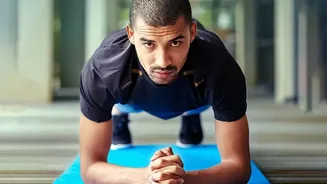
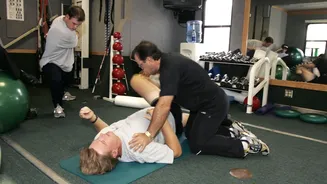
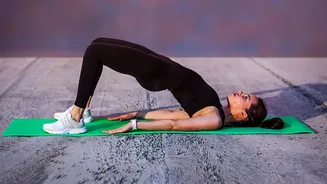
It may seem counterintuitive, but strength training is vital for joint health. Stronger muscles act as shock absorbers and stabilisers for your joints. You don’t need heavy weights to see benefits. Start with bodyweight exercises that focus on control. Glute bridges, for example, strengthen the hips and hamstrings with very little knee stress. Chair squats, where you sit back into a sturdy chair before standing up, build quad strength safely. Using light resistance bands is another effective way to build strength without impact.
Mindful Movement: Yoga and Tai Chi
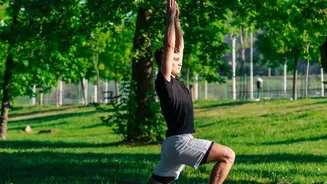
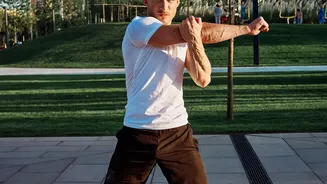
Practices like yoga and Tai Chi are excellent for beginners because they combine slow, controlled movements with a focus on balance, flexibility, and body awareness. These disciplines improve your range of motion and can reduce stiffness. Many studies show that the gentle, fluid motions of Tai Chi and modified yoga poses can significantly reduce joint pain and improve overall function. They teach you to move in a way that feels good for your body, building confidence and reducing the fear of movement.
Principles for a Safe Start
Regardless of which exercise you choose, a few universal rules apply. Always start with a warmup, like a few minutes of gentle walking or arm circles, to prepare your muscles and joints. Listen to your body; muscle soreness is normal, but sharp pain is a signal to stop or modify the activity. It is always better to start with shorter sessions and gradually increase duration and intensity as you feel more comfortable. Consistency is more important than intensity, especially when you are just beginning.