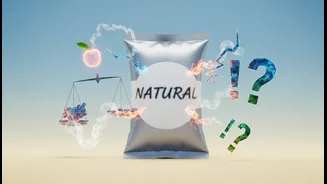









What is the FSSAI doing?
The Food Safety and Standards Authority of India (FSSAI) has recently issued a series of show-cause notices to several food companies for what it calls misleading claims on their product labels. This isn't just about small errors; it's a direct challenge
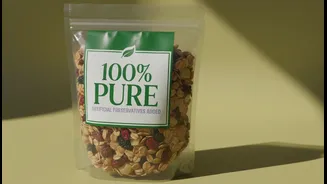
to the use of powerful marketing words like 'natural', 'fresh', 'pure', and even '100%'. For example, a company was pulled up for labelling a cream bun '100% natural' when the ingredients list declared preservatives and synthetic colours. Another notice was sent over a 'roasted almond chocolate' that used vegetable fat instead of cocoa butter. These actions, targeting major and minor brands alike, signal a concerted effort by the regulator to close the gap between what a label promises and what a product actually delivers.
Why is 'Natural' such a problem?
The word 'natural' is one of the most powerful tools in food marketing. It creates a 'health halo' around a product, making consumers believe it is healthier and better than processed alternatives. However, the term is often used loosely. FSSAI's regulations from as far back as 2018 are quite strict on this. Officially, a 'natural' food should be a single-ingredient product, derived from a plant or animal, and not significantly processed. A composite food cannot be called 'natural', though it might be described as 'made from natural ingredients' if it meets the criteria. The problem is that many products carrying the 'natural' tag are highly processed or contain additives, directly contradicting the FSSAI's definition.
The Official Rulebook on Labels
FSSAI's regulations are designed to protect consumers from being deceived. The rules state that companies cannot use words like 'natural', 'fresh', 'original', or 'pure' unless the product is essentially unprocessed. If a brand name happens to include one of these words, the company must add a clear disclaimer on the package stating it is just a brand name and does not represent the product's true nature. Similarly, claims like 'organic' require specific certification, including the Jaivik Bharat logo, which many products flaunting the term lack. The regulator is also clamping down on undefined claims like '100%', which has no legal definition under the Food Safety and Standards Act, making its use inherently questionable.
Beyond 'Natural': Other Watch Words
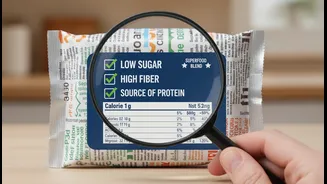
The crackdown extends beyond just the word 'natural'. FSSAI is scrutinising a whole vocabulary of marketing terms that can mislead shoppers. Claims like 'healthy', 'boosts immunity', or 'removes toxins' are being challenged when not backed by scientific substantiation. For example, notices have been issued to brands for using 'healthy' in their name despite the product being a typical snack food, or for claiming 'no added sugar' in a juice that contains sugarcane juice, which is functionally just sugar. This shows the regulator is looking not just at individual words, but at the overall impression a label creates, pushing for honesty across the board.
How to Be a Smarter Shopper
This regulatory action is a positive step, but the real power remains with the consumer. The key lesson is to become a critical reader of food labels. First, ignore the flashy claims on the front of the package. That is marketing. The truth is usually on the back. Turn the package over and read the ingredients list. The ingredients are listed by weight, from most to least. If sugar or a type of fat is one of the first few ingredients, it's a major component of the product, no matter what the front says. Look for a short, recognisable list of ingredients. The longer the list and the more chemical-sounding names it has, the more processed the food is. Finally, check the nutritional information for levels of sugar, salt (sodium), and fat. These numbers give a clearer picture of a product's health impact than any marketing slogan.