







More Than Just a Salad
Forget the image of a limp salad or a simple bowl of dal. The modern plant-based movement is a culinary revolution defined by innovation, investment, and an unapologetic focus on flavour. What was once a niche lifestyle choice is now a multi-billion dollar
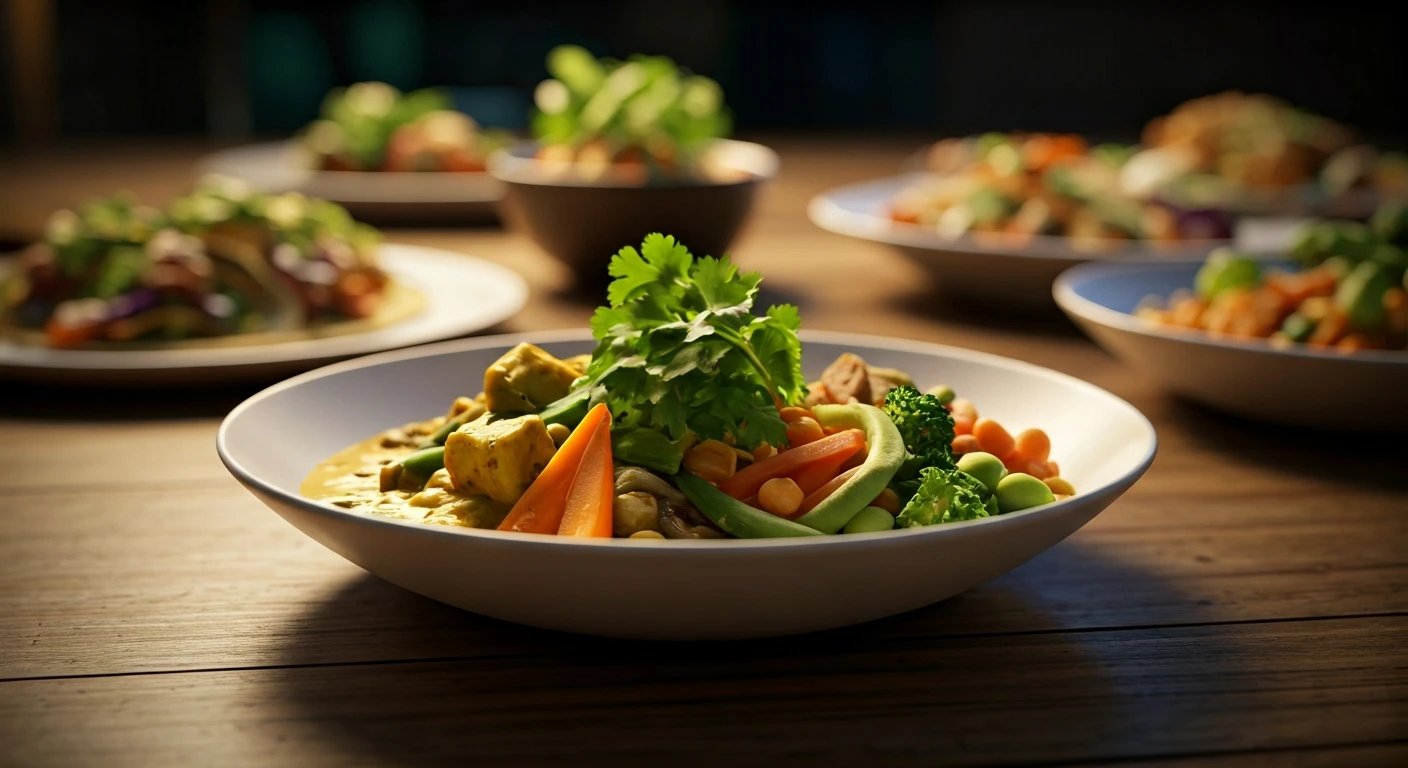
global industry. Market reports project the plant-based food market to grow exponentially, moving from supermarket aisles into the kitchens of the world’s most celebrated chefs. This isn't about restriction; it's about expansion. The central question has shifted from 'What can you eat?' to 'What amazing dish can we create with plants?' The answer, it turns out, is almost anything.
The Flavour-First Revolution
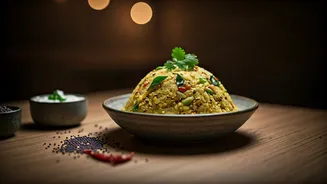
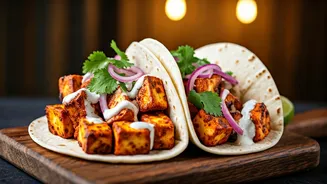
The secret to this new wave of plant-based cuisine is simple: chefs are finally treating vegetables with the same respect once reserved for premium cuts of meat. Techniques like smoking, grilling, fermenting, and dry-ageing are being applied to everything from mushrooms to melons. Mushrooms are seared and served like steaks, jackfruit is slow-cooked and shredded for savoury tacos, and cauliflower is roasted whole with complex spice rubs. It’s a paradigm shift. The goal is no longer to merely imitate meat but to unlock the incredible depth and versatility of the plant kingdom. This has given rise to dishes that stand on their own merit, celebrated for their unique textures and umami-rich profiles rather than for what they are replacing.
A Global Palate, A Local Touch
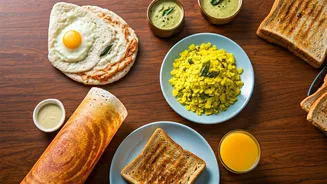
While India has a rich, centuries-old tradition of vegetarianism, the new plant-based movement brings a different energy. Globally, you see it in the Impossible and Beyond burgers that sizzle just like beef, or the plant-based chorizo spicing up tacos in Mexico City. Here in India, this global trend is merging with local tastes. Startups like Blue Tribe Foods and Shaka Harry are creating plant-based chicken and mutton alternatives designed specifically for Indian curries and kebabs. Restaurants in Mumbai, Delhi, and Bengaluru are reimagining traditional dishes with a modern, plant-forward twist. Think mock-meat keema pao that rivals the original, or biryanis where the star ingredient is a succulent plant-based protein. It’s the meeting of a global phenomenon with a deeply ingrained culinary heritage.
Why Now? Health, Planet, and Palate
So, what’s fuelling this explosion? It’s a perfect storm of factors. Firstly, there’s a growing global consciousness around health. Consumers are more aware than ever of the benefits of reducing meat consumption. Secondly, environmental concerns are a major driver, especially for younger generations who understand the significant carbon footprint of industrial animal agriculture. Finally, and perhaps most importantly, the products are simply better than they’ve ever been. The gritty veggie patties of the past have been replaced by sophisticated alternatives that deliver on taste and texture. This convergence of personal wellness, planetary health, and pure culinary enjoyment has created a powerful, sustained momentum for the plant-based market.
The Future is Flexitarian
Perhaps the most significant aspect of this movement is that it’s not an all-or-nothing proposition. The target audience isn't just vegans and vegetarians; it’s the massive and growing population of 'flexitarians'—people who still eat meat but are actively looking to reduce their intake and incorporate more plant-based meals into their week. This inclusive approach is key to its mainstream success. It’s not about ideological purity but about providing delicious, convenient, and compelling options. People aren't being asked to give something up, but rather to add something new and exciting to their culinary repertoire. This makes the shift feel less like a sacrifice and more like an adventure.