




The Foundation: Dry Fur and Paws
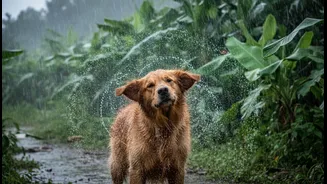
The cornerstone of monsoon pet care is managing moisture. Damp fur, especially in the undercoat and skin folds, becomes a breeding ground for fungi and bacteria, leading to painful skin infections often called hot spots. Likewise, paws that remain wet
and dirty after walks are highly susceptible to fungal and yeast infections between the toes. The rule is simple and non-negotiable: after every single walk, no matter how short, you must thoroughly dry your pet. Use a highly absorbent towel and pay special attention to the belly, armpits, ears, and the delicate skin between their paw pads. For long-haired breeds, a quick once-over with a hairdryer on a low, cool setting can ensure the undercoat is completely dry.
A Vigilant Paw Care Routine
Your pet’s paws are on the front line, constantly in contact with muddy, contaminated surfaces. Puddles can harbour harmful bacteria like Leptospira, which can cause a serious illness known as leptospirosis. After drying, inspect their paws for any cuts, redness, or debris. It’s wise to clean them with lukewarm water or a vet-approved antiseptic solution. Trimming the hair between the paw pads can also improve air circulation and reduce the chances of moisture getting trapped. For added protection, consider applying a pet-safe paw balm before walks to create a protective barrier.
Grooming and Coat Management
While it might seem counterintuitive, bathing should be less frequent during the monsoon, as over-bathing can strip the skin of its natural protective oils, making it more vulnerable. When you do bathe your pet, use a mild antifungal shampoo as a preventive measure and ensure they are dried completely. Daily brushing is essential during this season. It helps to remove tangles and matted fur that can trap moisture close to the skin, while also helping you spot any early signs of skin irritation or parasites.
Guarding Against Invisible Threats
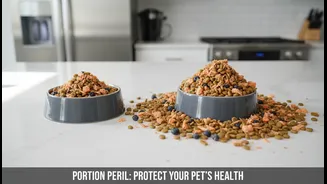
The warm, humid weather is peak season for ticks, fleas, and mosquitoes. These pests are not just an annoyance; they can transmit dangerous diseases like tick fever and heartworm. Ensure your pet is up-to-date on their vet-recommended tick and flea preventatives. A thorough check for ticks after every walk, especially around the ears, neck, and paws, is a crucial daily habit. Also, be vigilant about their diet. Humidity can cause dry food to spoil quickly, and stagnant water is a major health risk. Always provide fresh, clean drinking water, and ensure their food is stored in an airtight container.
A Safe and Stimulating Home
With outdoor time likely reduced, your pet will be spending more time indoors. Keep their bedding clean and, most importantly, dry. Washing their bed and toys more frequently helps prevent fungal growth. To combat boredom and pent-up energy from shorter walks, engage them with indoor activities. Puzzle toys, scent work games, and obedience training are excellent ways to provide mental stimulation, which can be just as tiring as physical exercise. For senior pets, high humidity can worsen joint pain, so ensure they have a warm, comfortable place to rest away from damp floors or drafts.