





Understanding Making Charges
Before you can decide, it's crucial to understand what you're paying for. Making charges, also known as labour charges, are the fees jewellers levy for crafting a piece of jewellery from raw gold. These charges are not standardised and can vary significantly
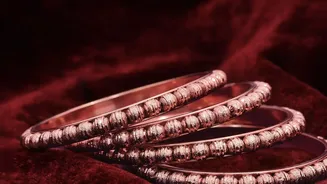
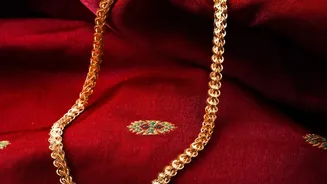
from one jeweller to another, often ranging from as low as 6% to over 25% of the gold's value. They can be calculated in two main ways: as a percentage of the gold's value or as a flat rate per gram. Plain, machine-made items like simple chains or bangles usually have lower making charges, while elaborate, handcrafted pieces with intricate patterns command a much higher premium due to the skilled artisanship involved.
The Case for Prioritising Lower Making Charges
From a purely financial standpoint, focusing on lower making charges is the smarter move. When you sell or exchange gold jewellery, you typically only get back the value of the gold itself based on its purity and weight. The making charges you paid are almost never recovered. Therefore, a lower making charge means a smaller financial loss at the point of resale. In a high-price environment, this is especially important. By minimising these charges, you are effectively increasing the amount of gold you get for your money. If your primary reason for buying is investment, or if you anticipate upgrading the piece in the future, opting for simpler designs or even gold coins and bars with minimal making charges is the most logical path.
The Irresistible Allure of Design
Jewellery, however, is rarely just a financial asset; it's an emotional purchase. It’s a form of self-expression, a marker of milestones like weddings and anniversaries, and an heirloom to be passed down through generations. This is where the elaborate design makes its case. A unique, beautifully crafted piece holds immense personal and aesthetic value that can't be measured in grams or percentages. The artistry, the story behind the design, and the joy it brings the wearer are often priceless. For many, the design is the very reason for the purchase. If you're buying a signature piece for a special occasion or a forever ornament that you intend to wear and cherish, the higher making charge can be justified as a premium paid for art and personal satisfaction.
How to Find the Right Balance
You don't always have to choose one extreme over the other. Smart shopping can help you find a middle ground. First, always compare making charges for similar designs across different jewellers, as they can vary widely. Don't hesitate to negotiate; many jewellers, especially local ones, may be open to reducing the charges, particularly on larger purchases. Keep an eye out for festive seasons and special promotions when many brands offer discounts on making charges. Also, ask for a detailed bill that clearly separates the cost of gold, making charges, and GST to ensure transparency. Sometimes, opting for 18K gold instead of 22K can allow you to afford a more intricate design without a drastic budget increase, as the base price of the gold is lower.