





A Monsoon of Deficit
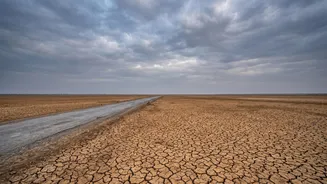
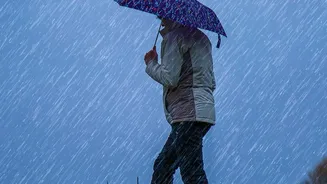
The 2026 southwest monsoon season is concluding on a dry note, with the country on track for its weakest rainfall in years. As of mid-September, the all-India monsoon deficit stood at around 15%, a significant shortfall that has left reservoirs lower
than usual in many regions. According to the India Meteorological Department (IMD) and private forecaster Skymet, a strengthening El Niño in the Pacific Ocean is a primary cause, typically suppressing monsoon rainfall over India. While the monsoon officially began its withdrawal around September 19, the season's overall below-average performance has set a specific atmospheric stage for the coming months.
The El Niño Effect on Winter
The same El Niño that weakened the monsoon is expected to intensify and peak during the Northern Hemisphere's winter months, from late 2026 into early 2027. This phenomenon, characterized by unusually warm ocean temperatures in the Pacific, has a high probability of becoming a 'strong' or even 'historic' event. For India, a strong El Niño during winter often translates to warmer-than-average temperatures. The World Meteorological Organization (WMO) has forecast a high likelihood of above-normal temperatures across most land areas, including India, through the end of the year. This could mean fewer cold wave days and a generally milder winter across the plains.
What to Expect in the Mountains
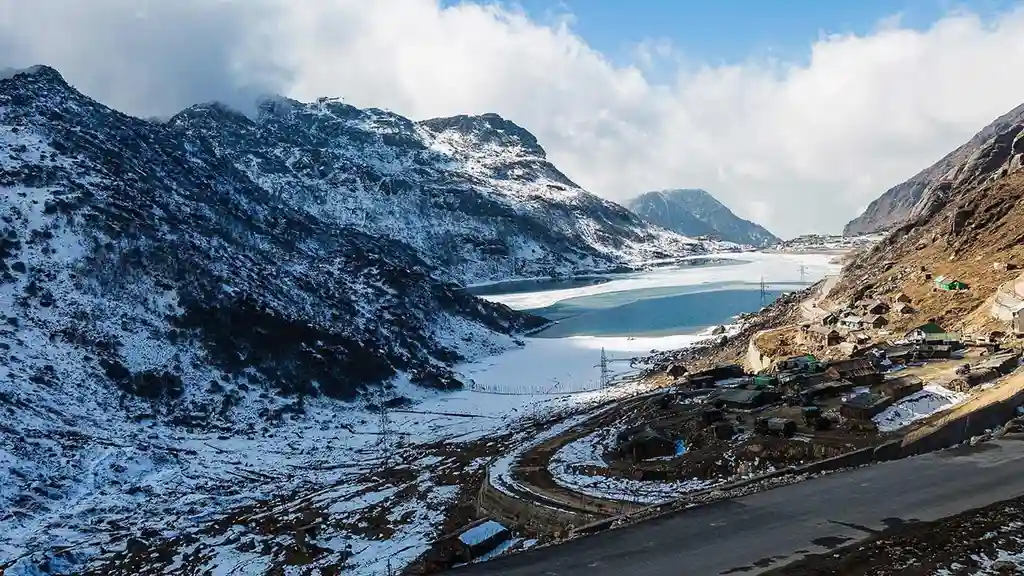
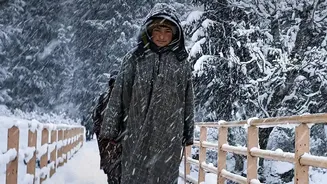
For many, winter travel means heading to the Himalayas for snow. A warmer winter could significantly alter this experience. While a powerful El Niño doesn't eliminate the chance of snowfall, it can reduce its frequency and intensity, particularly at lower and mid-altitudes. Destinations like Shimla, Manali, and Nainital might see less snow than in a typical non-El Niño year. Last winter, for instance, an unusually dry season in Himachal Pradesh led to clear, sunny days that attracted tourists, but disappointed those seeking heavy snow. Travelers hoping for a white winter in 2026-27 should aim for higher altitude destinations like Gulmarg or Auli, and keep a close eye on short-term forecasts, as Western Disturbances can still bring spells of snow.
Southern Skies and the Northeast Monsoon
Winter weather in India isn't just about the Himalayas. For the southern peninsula, this is the season of the Northeast Monsoon (October to December). The impact of El Niño here can be complex. While it often leads to warmer temperatures, its effect on rainfall can vary. The IMD will release a specific forecast for the Northeast Monsoon towards the end of September. For now, travelers planning trips to states like Tamil Nadu and Kerala should prepare for pleasant but potentially warmer days. Destinations like Coorg in Karnataka could offer a lush, green escape, benefiting from the earlier monsoon rains, even if the winter itself is mild.
Smarter Travel Planning for a Warmer Winter
Given the forecast, smart planning will be key for the 2026-27 winter travel season. If snow is your priority, consider booking trips for late January or February, when the chances might be higher, and focus on high-altitude resorts. For those heading to the plains or southern India, pack layers; while days may be warm, evenings can still be cool. A milder winter could also mean less fog in northern cities like Delhi, potentially leading to fewer travel disruptions. Ultimately, the trend points towards a winter that is more comfortable for sightseeing and outdoor activities that don't depend on snow, but potentially disappointing for those chasing a winter wonderland experience. Stay updated with IMD forecasts as your travel dates approach.