




A New Era for Regional Connectivity
In a significant move for South Asian connectivity, India's Ministry of Home Affairs announced on August 10, 2026, the expansion of its e-Visa facility to include nine additional land border crossings. This development makes it substantially easier for international
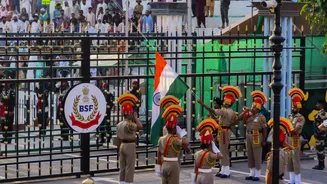
tourists to travel overland between India and its neighbours, including Bangladesh, Bhutan, and Myanmar. The newly designated ports include key transit points like Moreh in Manipur, which connects to Myanmar, and Jaigaon in West Bengal, the gateway to Bhutan. For travellers, this means the dream of a seamless road trip across multiple countries is fast becoming a reality, replacing complex paperwork with a streamlined digital process. This change is not just about convenience; it’s a strategic step to position the entire region as an integrated and appealing destination for overland explorers.
The Economic Ripple Effect of Open Roads
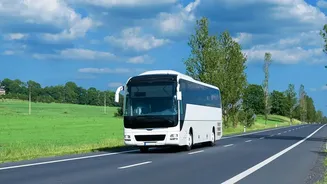
When a border becomes easier to cross, the benefits extend far beyond the tourists themselves. The simplified access is a powerful engine for local economies on both sides of the frontier. For every traveller who drives across, a network of small businesses thrives. This includes everything from roadside cafes and guesthouses to local mechanics, guides, and artisans selling their crafts. In regions like Northeast India, this creates sustainable livelihoods and encourages development in areas that were previously off the main tourist trail. Initiatives like the Bangladesh-Bhutan-India-Nepal (BBIN) Motor Vehicles Agreement (MVA) are built on this very principle. By facilitating the smooth transit of passenger and cargo vehicles, these agreements aim to slash transport times and costs, which in turn boosts trade and makes local products more competitive.
How Seamless Travel Actually Works
The term “visa-free” can mean different things, but the trend is towards simplification. For many nationalities, including Indians travelling to neighbouring countries like Nepal, Bhutan, and Thailand, this means no pre-approved visa is required for short tourist visits. The latest expansion of India's e-Visa program is a prime example of this simplification. Foreign nationals from 172 countries can apply online for an Electronic Travel Authorisation (ETA) before their trip. With approval often granted within 72 hours, travellers can arrive at a designated land port, like Moreh or Agartala, with their digital permission already in hand, ready to be stamped into the country. This system removes uncertainty and the need for embassy visits, making spontaneous, multi-country itineraries far more practical.
Stitching a Region Together
These individual crossing points are threads in a much larger tapestry of regional integration. Ambitious projects like the India-Myanmar-Thailand (IMT) Trilateral Highway are prime examples. While progress has faced delays, the vision is to create a 1,400-km economic corridor linking South Asia with Southeast Asia, from Moreh in India to Mae Sot in Thailand. Reports from mid-2026 indicated the highway was around 70% complete. Recent discussions between Myanmar and Thailand have reaffirmed the commitment to advance the project, highlighting its importance for trade and regional stability. Similarly, the BBIN MVA, though not yet fully operational with all original members, continues to be a priority for India, Bangladesh, and Nepal, who are working to finalize protocols. These grand infrastructure projects are the arteries that will carry the lifeblood of tourism and trade across the continent.
The Road Ahead for Overland Adventurers
The future of overland travel in the region looks brighter than ever. As more sections of transnational highways are completed and visa agreements are liberalised, the potential for incredible journeys will only grow. Imagine driving from the plains of Bengal, through the hills of Northeast India, across the historic landscapes of Myanmar, and into the bustling markets of Thailand. Challenges certainly remain, including ensuring security and upgrading infrastructure to handle increased traffic, as seen with the recent opening of the new Sadao border checkpoint between Thailand and Malaysia. However, the political will and economic incentives are aligned. For the adventurous traveller, the message is clear: the age of the great Asian road trip is dawning. It’s time to check your maps, pack your bags, and get ready to explore.