





The Comfort of Steam
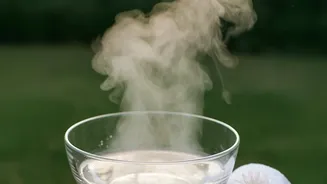
Steam inhalation is a simple, time-tested method for tackling the discomfort of congestion. The practice involves breathing in warm, moist air to soothe an irritated respiratory system. The logic is straightforward: when your nasal passages are inflamed
and blocked with thick mucus from a cold or allergies, the warm vapour helps to moisturise the airways. This moisture can thin the mucus, making it easier to clear from your nose and sinuses. The warmth may also help reduce swelling in the nasal passages, which contributes to that feeling of pressure and blockage. Many people experience a sense of immediate, though temporary, relief after a 10-minute session, finding it easier to breathe. The act itself, taking a few minutes to pause and inhale the warm air, can also be calming and reduce stress, which often accompanies feeling unwell.
The Herbal Infusion Factor
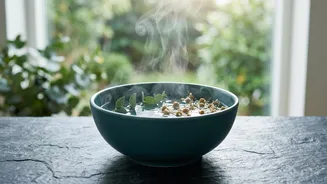
In many Indian households, steam inhalation is rarely just about hot water. It’s an aromatic experience, elevated by kitchen staples like ajwain (carom seeds), tulsi (holy basil), and nilgiri (eucalyptus) oil. Ayurvedic tradition holds these herbs in high regard for respiratory wellness. Ajwain, for example, contains thymol, a compound known for its natural antiseptic and decongestant properties that may help clear nasal blockages. Tulsi is celebrated for its potential to balance kapha (mucus) and its anti-inflammatory effects. Eucalyptus contains eucalyptol, which is widely used in commercial rubs and inhalants for its ability to clear passages. While these herbs add a powerful and soothing aroma that enhances the feeling of relief, it's important to note that most of the scientific backing focuses on the effects of the warm, moist air itself rather than the specific additives.
Relief vs. Cure: What the Science Says
This is where we must distinguish between feeling better and getting better. While steam inhalation provides subjective, short-term comfort, scientific evidence on its effectiveness as a treatment is mixed. Studies show that while people often report feeling less congested immediately after steaming, the practice does not actually shorten the duration of an illness or cure the underlying infection. It doesn’t kill the viruses or bacteria responsible for your cold or sinus infection. In fact, a major clinical trial found that steam inhalation had no significant effect on most sinus symptoms for people with chronic issues, though it did help some with sinus-related headaches. Therefore, it is best to think of steam as a supportive comfort measure, much like a warm blanket or a hot cup of tea. It helps you manage the symptoms, but your body’s immune system is doing the real work of fighting off the illness.
Steaming Safely Is Paramount
Despite being a natural remedy, steam inhalation comes with risks if not done carefully. The most significant danger is getting scalded by the hot water or steam, and this risk is especially high for children. To do it safely, use a sturdy, heavy bowl on a flat surface and keep your face at least 8 to 12 inches away from the water. Never lean directly over the bowl, and consider letting boiled water cool for a minute before you begin. A session should last no more than 10 to 15 minutes, as longer exposure can sometimes irritate or dry out your nasal passages. If you choose to use essential oils like eucalyptus, use them sparingly—just a few drops are enough, as they are highly concentrated and can cause irritation for some people. People with conditions like asthma should consult a doctor before trying steam, as it can sometimes trigger breathing difficulties.