





Why Night Driving in the Monsoon is So Risky
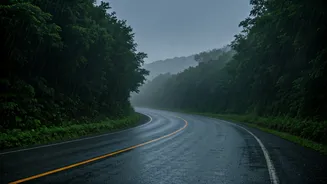
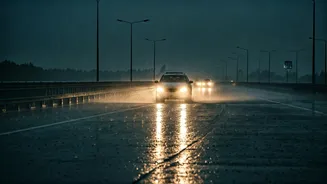
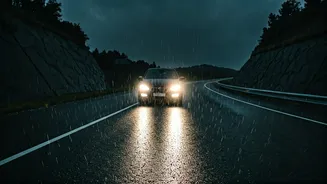
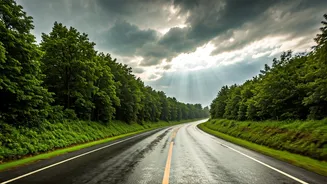
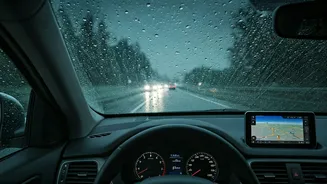
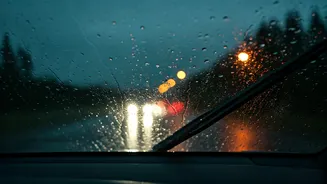
Driving after dark during the monsoon multiplies the inherent dangers of wet roads. The primary issue is drastically reduced visibility. [4, 10, 22] Heavy rain and fog can cut your line of sight to just a few car lengths, making it incredibly difficult
to react to hazards. [4, 12] Potholes, often hidden beneath murky water, become invisible traps that can cause severe damage to your vehicle or lead to a loss of control. [4, 22] Furthermore, the glare from oncoming headlights reflects off wet surfaces and raindrops, temporarily blinding you. This is why keeping your own headlights on a low beam is crucial—to see and be seen without dazzling other drivers. [2, 10] Driving at night also increases the chances of encountering wildlife or stray animals on the road, who are even harder to spot in poor weather. [23] Given these factors, a simple rule emerges: plan your travel to reach your destination well before sunset. [12, 15]
Before You Start: A Monsoon Vehicle Checklist
A safe trip begins before you even turn the key. A thorough vehicle check is non-negotiable. * **Tyres:** Your tyres are your only connection to the road. Ensure they have adequate tread depth (at least 3mm is recommended) to channel water away and prevent hydroplaning. [7, 12, 17] Also, check for correct tyre pressure, as both under-inflated and over-inflated tyres reduce grip. [7, 9] * **Wipers and Washer Fluid:** If you can't see, you can't drive safely. Inspect your wiper blades for cracks or hardening and replace them if they leave streaks. [3, 7, 17] Keep your windshield washer reservoir full to clear away road grime and mud kicked up by other vehicles. [3, 7] * **Lights:** Check all your lights—headlights (low and high beams), taillights, brake lights, and indicators. [3, 8] Functioning lights are essential for your own visibility and for being seen by others. [3] * **Brakes:** Wet roads increase braking distances. [4] Listen for any unusual noises and check that your brake fluid is at the correct level. [7] Properly functioning brakes are your ultimate safety net. [3, 6]
The Danger of Hydroplaning
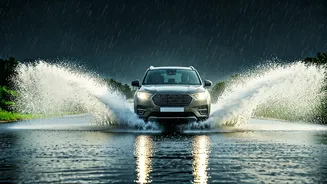
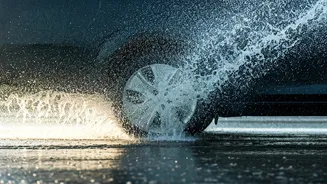
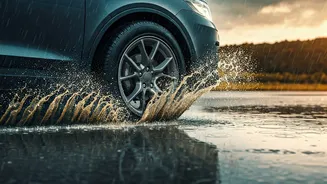
Hydroplaning, or aquaplaning, is one of the most terrifying experiences for a driver. It happens when a layer of water builds up between your tyres and the road surface, causing a loss of traction and control. [9, 10, 11] At high speeds, even tyres with good tread can't disperse water fast enough. [10] To avoid it, the most effective strategy is to slow down significantly. [5, 6, 14] Avoid sudden acceleration, hard braking, or sharp turns, which can all trigger a skid. [5] If you do start to hydroplane, do not slam on the brakes. Instead, ease your foot off the accelerator and steer straight until you feel the tyres regain their grip on the road. [5, 11, 13]
On-Road Strategies for Safe Monsoon Driving
Once you are on the road, adopt a defensive driving mindset. Reduce your speed and double the usual following distance between you and the vehicle ahead to give yourself more time to react and brake. [2, 6, 12] Be extra cautious on bridges and overpasses, which can be slicker than regular roads. [12] If visibility becomes extremely poor due to a heavy downpour, the safest action is to pull over to a secure spot—well off the main road—and wait for the rain to subside. [12] When navigating waterlogged areas, drive in a low gear while keeping the engine revs high to prevent water from entering the exhaust. [2] However, the best advice is to avoid driving through deep or fast-flowing water altogether, as it can conceal dangers and stall your engine. [2, 5]
Plan Your Route and Stay Informed
Technology and planning are your best allies. Before you leave, check the weather forecast from reliable sources like the India Meteorological Department (IMD). [21, 24] Be aware of routes that are prone to landslides and flooding, particularly in hilly or coastal regions like the Western Ghats and the Northeast. [15, 21, 24] Authorities often issue travel advisories for such areas. [20] Stick to main highways and avoid unverified shortcuts that mapping apps might suggest. [15] Always inform a family member or friend of your travel route and estimated time of arrival. This simple step ensures someone knows your whereabouts in case of an emergency.